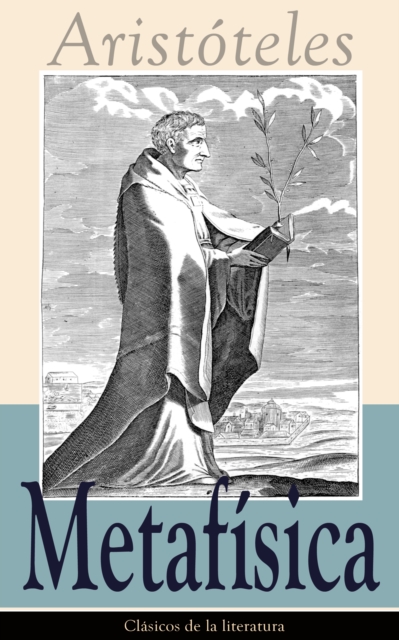
This book is a detailed exploration of the Hispanic intellectual context and the different Aristotelian traditions that prevailed until the 16th century.
The testimony of Jesus' contemporaries, including Herod, Pontius Pilate, and Joseph and Mary, holds a timeless fascination for anyone interested in New Testament literature.
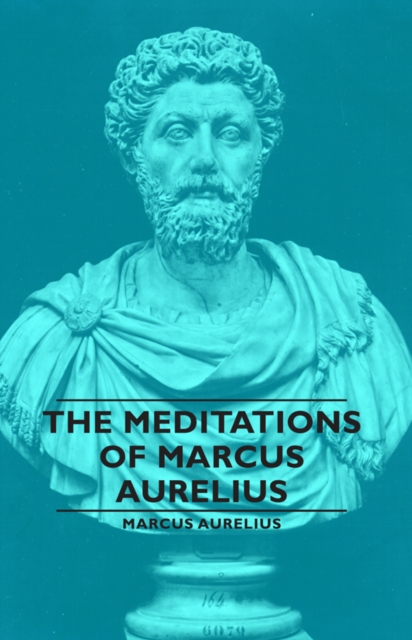
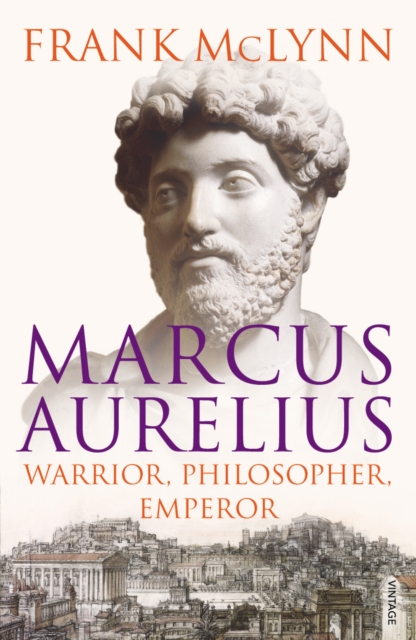
Written as a series of private notes, The Meditations of Marcus Aurelius is a powerful guide to self-reflection and personal growth from one of history's most respected Roman emperors, exploring the philosophical teachings of Stoicism.
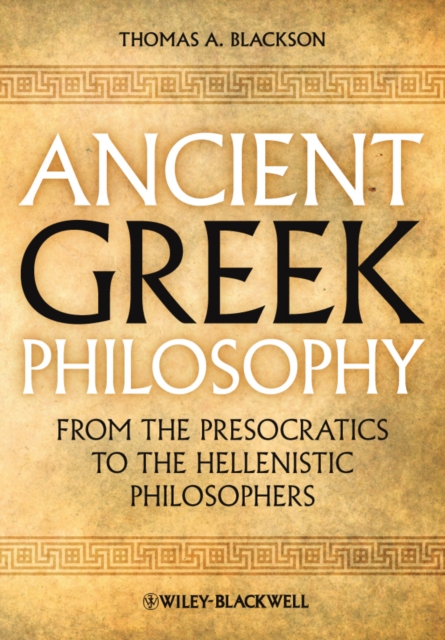
Ancient Greek Philosophy: From the Presocratics to the Hellenistic Philosophers presents a comprehensive introduction to the philosophers and philosophical traditions that developed in ancient Greece from 585 BC to 529 AD.
Ancient Greek Philosophy: From the Presocratics to the Hellenistic Philosophers presents a comprehensive introduction to the philosophers and philosophical traditions that developed in ancient Greece from 585 BC to 529 AD.
Why Plato Wrote argues that Plato was not only the world s first systematic political philosopher, but also the western world s first think-tank activist and message man.
Understanding Plato's Republic is an accessible introduction to the concepts of justice that inform Plato's Republic, elucidating the ancient philosopher's main argument that we would be better off leading just lives rather than unjust ones.
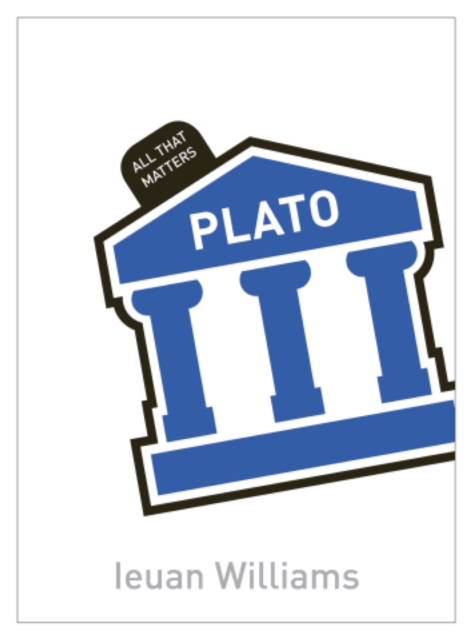
In Plato: All That Matters, Ieuan Williams argues that no one can study philosophy or politics without an awareness of Plato, whose work has reverberated through 2500 years of philosophy and history.
The books in this bite-sized new series contain no complicated techniques or tricky materials, making them ideal for the busy, the time-pressured or the merely curious.
Through a close textual analysis and a contrastive examination of documents from both cultures, Mark Glouberman explores the biblical roots of our Western sense of self-identity and the ways in which non-philosophical Greek materials enhance our understanding of how that cultural view developed.
Through a close textual analysis and a contrastive examination of documents from both cultures, Mark Glouberman explores the biblical roots of our Western sense of self-identity and the ways in which non-philosophical Greek materials enhance our understanding of how that cultural view developed.
Xenophanes of Colophon was a philosophical poet who lived in various cities of the ancient Greek world during the late sixth and early fifth centuries BC.
Xenophanes of Colophon was a philosophical poet who lived in various cities of the ancient Greek world during the late sixth and early fifth centuries BC.
In an expansion of his 2012 Robson Classical Lectures, Clifford Ando examines the connection between the nature of the Latin language and Roman thinking about law, society, and empire.
In an expansion of his 2012 Robson Classical Lectures, Clifford Ando examines the connection between the nature of the Latin language and Roman thinking about law, society, and empire.
Seminaries generally are not very effective in equipping pastors to be ministers of reconciliation, says pastor and experienced mediator Alfred Poirier.
Aristotle and Natural Law lays out a new theoretical approach which distinguishes between the notions of 'interpretation,' 'appropriation,' 'negotiation' and 'reconstruction' of the meaning of texts and their component concepts.
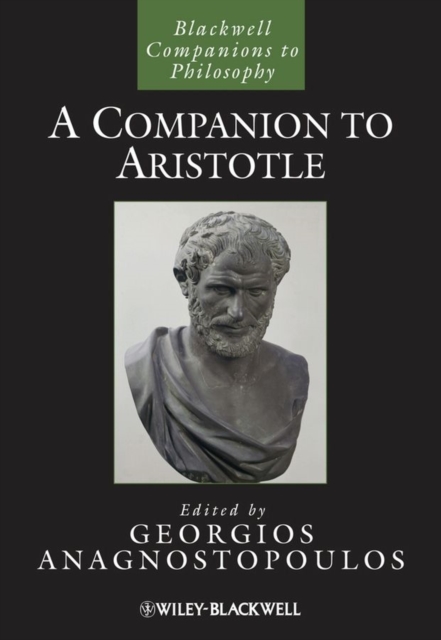
Aristotle is one of the most crucial figures in the history of Western thought, and his name and ideas continue to be invoked in a wide range of contemporary philosophical discussions.
In this important and highly original book, place, commonality and judgment provide the framework within which works central to the Greek philosophical and literary tradition are usefully located and reinterpreted.
Early Greek Thought calls into question a longstanding mythology - operative in both the Analytic and Continental traditions - that the 'Pre-Socratics had the grandiose audacity to break with all traditional forms of knowledge' (Badiou).
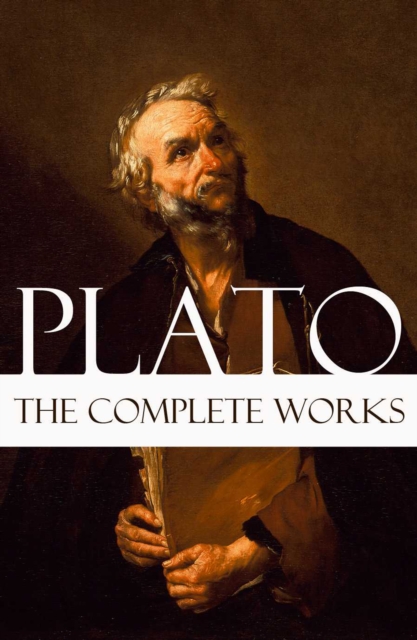
The Statesman - Plato - Sophist - Plato - Plato is a Classical Greek philosopher, mathematician, student of Socrates, writer of philosophical dialogues, and founder of the Academy in Athens, the first institution of higher learning in the Western world.
Augustine and Roman Virtue seeks to correct what the author sees as a fundamental misapprehension in medieval thought, a misapprehension that fuels further problems and misunderstandings in the historiography of philosophy.
Parmenides and To Eon offers a new historical and philosophical reading of Parmenides of Elea by exploring the significance and dynamics of the oral tradition of ancient Greece.