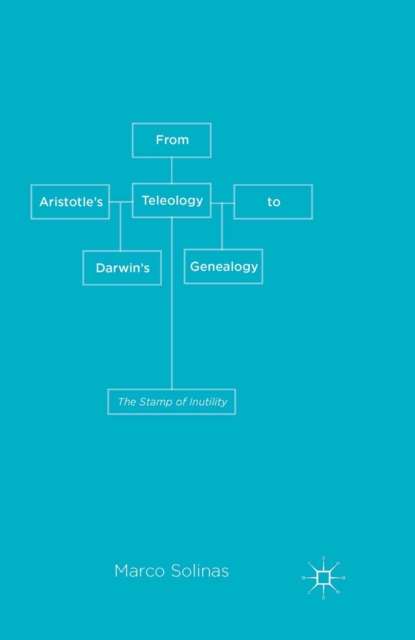
From Aristotle to Darwin, from ancient teleology to contemporary genealogies, this book offers an overview of the birth and then persistence of Aristotle's framework into modernity, until its radical overthrow by the evolutionary revolution.
Aristotle on Method and Metaphysics is a collection of new and cutting-edge essays by prominent Aristotle scholars and Aristotelian philosophers on themes in ontology, causation, modality, essentialism, the metaphysics of life, natural theology, and scientific and philosophical methodology.
Eros and Socratic Political Philosophy offers a new account of Plato's view of eros, or romantic love, by focusing on a question which has vexed many scholars: why does Plato's Socrates praise eros highly on some occasions but also criticize it harshly on others?
This powerful exploration of an important topic in philosophy of mind from ancient to contemporary philosophy presents an original argument against the current direction of debate and examines a wide range of philosophers from both continental and analytic traditions.
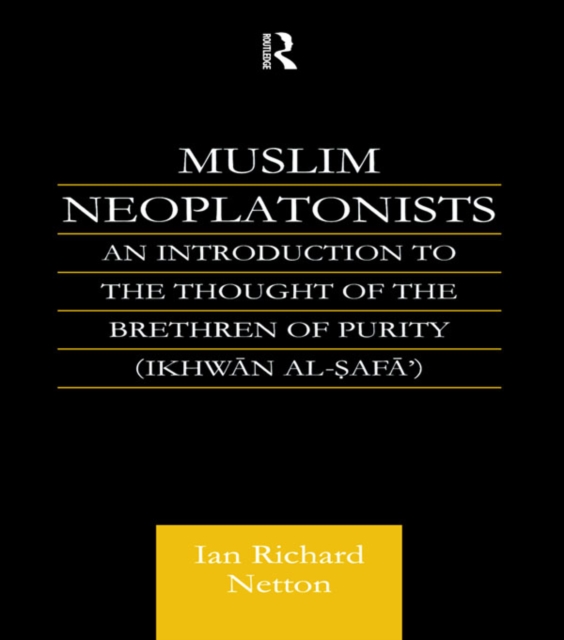
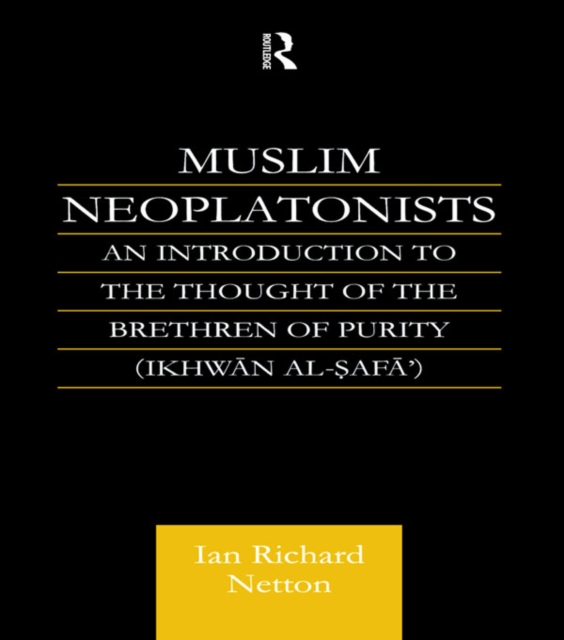
The tenth or eleventh century group of the Brethren of Purity (Ikhwan al Safa) are as well known in the Arab world as Darwin, Marx and Freud in the west.
The tenth or eleventh century group of the Brethren of Purity (Ikhwan al Safa) are as well known in the Arab world as Darwin, Marx and Freud in the west.
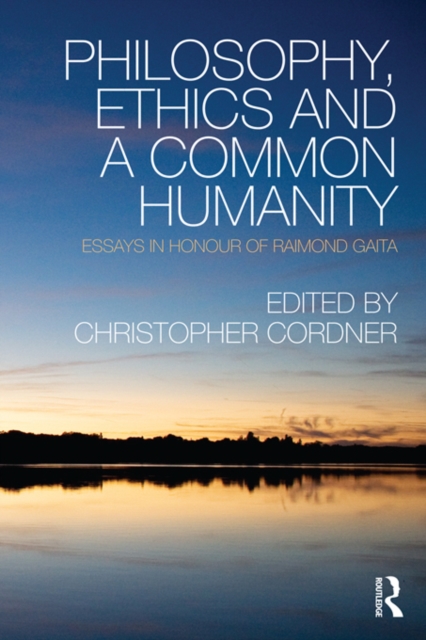
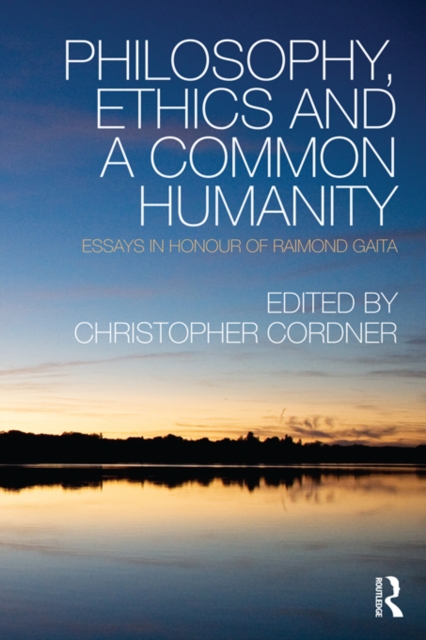
The work of Raimond Gaita, in books such as Good and Evil: An Absolute Conception, A Common Humanity and The Philosopher's Dog, has made an outstanding and controversial contribution to philosophy and to the wider culture.
The work of Raimond Gaita, in books such as Good and Evil: An Absolute Conception, A Common Humanity and The Philosopher's Dog, has made an outstanding and controversial contribution to philosophy and to the wider culture.
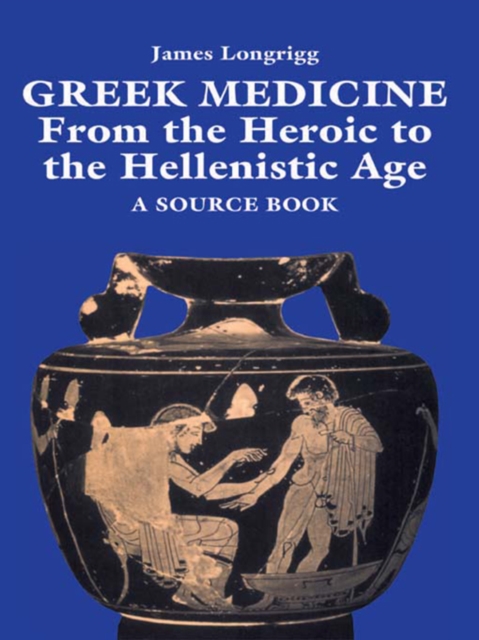
The Greeks were the first to use rational systems of medicine, based upon belief in natural causation, rather than magical and religious elements, which resulted in a new conception of disease, accounting for causes and symptoms of illness.
The Greeks were the first to use rational systems of medicine, based upon belief in natural causation, rather than magical and religious elements, which resulted in a new conception of disease, accounting for causes and symptoms of illness.
As a comparative study of the virtue ethics of Aristotle and Confucius, this book explores how they each reflect upon human good and virtue out of their respective cultural assumptions, conceptual frameworks, and philosophical perspectives.
As a comparative study of the virtue ethics of Aristotle and Confucius, this book explores how they each reflect upon human good and virtue out of their respective cultural assumptions, conceptual frameworks, and philosophical perspectives.
This book elaborates a moral realism of phenomenological inspiration by introducing the idea that moral experience, primordially, constitutes a perceptual grasp of actions and of their solid traces in the world.
This book elaborates a moral realism of phenomenological inspiration by introducing the idea that moral experience, primordially, constitutes a perceptual grasp of actions and of their solid traces in the world.
Situating contemporary critical praxis at the intersection of the social, the political, and the rhetorical, this book is a provocative inquiry into the teaching philosophies of Plato's Socrates and Paulo Freire that has profound implications for contemporary education.
Situating contemporary critical praxis at the intersection of the social, the political, and the rhetorical, this book is a provocative inquiry into the teaching philosophies of Plato's Socrates and Paulo Freire that has profound implications for contemporary education.
First published in 1977 this volume is the only account published in English in the 20th century to be exclusively devoted to an interpretation of Aristotle's political thought (as distinct from commentaries, translations and works on Aristotelean philosophy in general).
First published in 1977 this volume is the only account published in English in the 20th century to be exclusively devoted to an interpretation of Aristotle's political thought (as distinct from commentaries, translations and works on Aristotelean philosophy in general).
This introduction to Plato's philosophical and educational thought examines Plato's views and relates them to issues and questions that occupy philosophers of education.
This introduction to Plato's philosophical and educational thought examines Plato's views and relates them to issues and questions that occupy philosophers of education.
Understanding the Political Philosophers is an absorbing and accessible introduction to the major philosophers and core texts of western political philosophy.
Understanding the Political Philosophers is an absorbing and accessible introduction to the major philosophers and core texts of western political philosophy.
This book studies Wallace Stevens and pre-Socratic philosophy, showing how concepts that animate Stevens' poetry parallel concepts and techniques found in the poetic works of Parmenides, Empedocles, and Xenophanes, and in the fragments of Heraclitus.
This book studies Wallace Stevens and pre-Socratic philosophy, showing how concepts that animate Stevens' poetry parallel concepts and techniques found in the poetic works of Parmenides, Empedocles, and Xenophanes, and in the fragments of Heraclitus.