Written by one of the most important founding figures of Western philosophy, Aristotle's Nicomachean Ethics represents a critical point in the study of ethics which has influenced the direction of modern philosophy.
Written by one of the most important founding figures of Western philosophy, Aristotle's Nicomachean Ethics represents a critical point in the study of ethics which has influenced the direction of modern philosophy.
Addressing the dearth of literature that has been written on this key aspect of economic history, Takeshi Amemiya, a well known leading economist based at Stanford University, analyzes the two diametrically opposed views about the exact nature of the ancient Greek economy, putting together a broad and comprehensive survey that is unprecedented in t
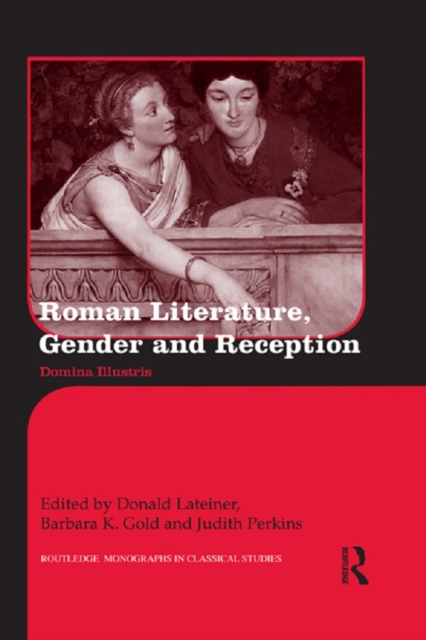
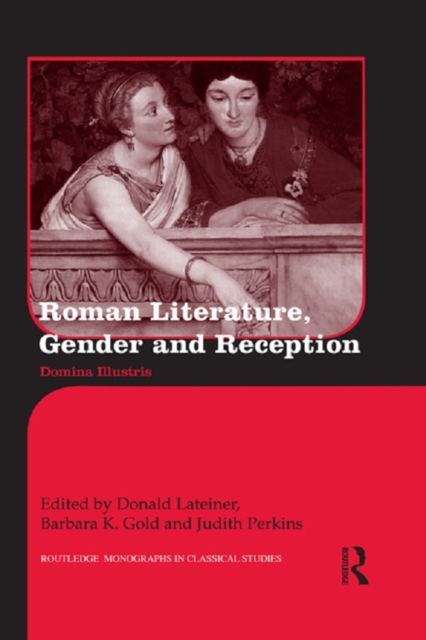
This cutting-edge collection of essays offers provocative studies of ancient history, literature, gender identifications and roles, and subsequent interpretations of the republican and imperial Roman past.
This cutting-edge collection of essays offers provocative studies of ancient history, literature, gender identifications and roles, and subsequent interpretations of the republican and imperial Roman past.
Offers the first complete reinterpretation of Empedocles - one of the founding figures of Western philosophy - since the publication of the Strasbourg papyrus in 1999 brought new fragments of his lost work to light.
Offers the first complete reinterpretation of Empedocles - one of the founding figures of Western philosophy - since the publication of the Strasbourg papyrus in 1999 brought new fragments of his lost work to light.
Although the distinctive - and sometimes bizarre - means by which Roman aristocrats often chose to end their lives has attracted some scholarly attention in the past, most writers on the subject have been content to view this a s an irrational and inexplicable aspect of Roman culture.
Although the distinctive - and sometimes bizarre - means by which Roman aristocrats often chose to end their lives has attracted some scholarly attention in the past, most writers on the subject have been content to view this a s an irrational and inexplicable aspect of Roman culture.
In his Plaint of Nature (De planctu Naturae), Alan of Lille bases much of his argument against sin in general and homosexuality in particular on the claim that both amount to bad grammar.
In his Plaint of Nature (De planctu Naturae), Alan of Lille bases much of his argument against sin in general and homosexuality in particular on the claim that both amount to bad grammar.
Despite the general scholarly consensus about Lucretius' debt to Empedocles as the father of the genre of cosmological didactic epic, there is a major disagreement regarding Lucretius' applause for his Presocratic predecessor's praeclara reperta (DRN 1.
Despite the general scholarly consensus about Lucretius' debt to Empedocles as the father of the genre of cosmological didactic epic, there is a major disagreement regarding Lucretius' applause for his Presocratic predecessor's praeclara reperta (DRN 1.
This book accounts for the previously inadequately explained transformation in the meaning of equity in sixteenth century England, a transformation which, intriguingly, first comes to light in literary texts rather than political or legal treatises.
This book accounts for the previously inadequately explained transformation in the meaning of equity in sixteenth century England, a transformation which, intriguingly, first comes to light in literary texts rather than political or legal treatises.
The Epicureans were notorious in antiquity for denigrating most forms of civic participation and for rejecting those cultural activities (such as poetry, music, and rhetoric) which are broadly labelled paideia.
The Epicureans were notorious in antiquity for denigrating most forms of civic participation and for rejecting those cultural activities (such as poetry, music, and rhetoric) which are broadly labelled paideia.
La teoría de la equidad (epieíkeia) de Aristóteles es ese tipo de ideas que atraviesa la historia del pensamiento jurídico y que tiene una indudable incidencia en el quehacer interpretativo judicial.
In antiquity, it was not only Aristotle who assumed the people are more to be understood in relation to one another than as individual or solitary constructs.
In antiquity, it was not only Aristotle who assumed the people are more to be understood in relation to one another than as individual or solitary constructs.
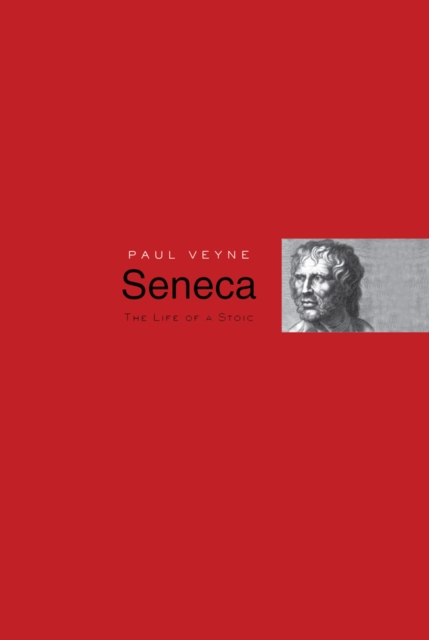
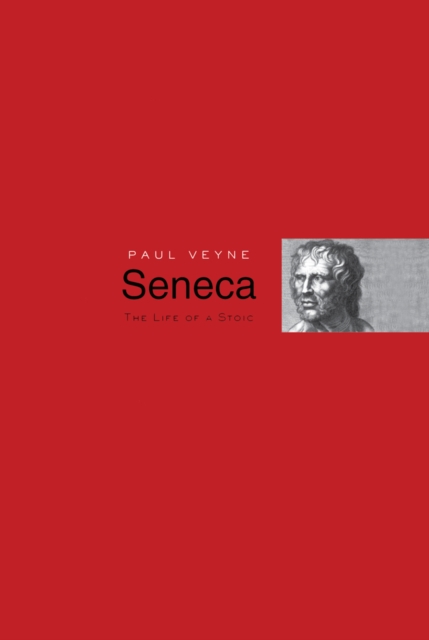
The great stoic philosopher, playwright and Roman statesman of the first century, Lucius Annaeus Seneca, exercised enormous influence for nearly fifteen years as tutor and political advisor to the Emperor Nero until forced to commit suicide by his former pupil.
The great stoic philosopher, playwright and Roman statesman of the first century, Lucius Annaeus Seneca, exercised enormous influence for nearly fifteen years as tutor and political advisor to the Emperor Nero until forced to commit suicide by his former pupil.
Three lines of argument are central to this book: that Plato's views as expounded in the Republic indicate that he was a utilitarian; that utilitarianism is the only acceptable ethical theory; that these conclusions have significant repercussions for education.
Three lines of argument are central to this book: that Plato's views as expounded in the Republic indicate that he was a utilitarian; that utilitarianism is the only acceptable ethical theory; that these conclusions have significant repercussions for education.
The Genesis of Modernity reconstructs the ideas of three of the most important social and political theorists of the Twentieth Century, Max Weber, Michel Foucault and Eric Voegelin, on the distant roots and sources of modernity.
The Genesis of Modernity reconstructs the ideas of three of the most important social and political theorists of the Twentieth Century, Max Weber, Michel Foucault and Eric Voegelin, on the distant roots and sources of modernity.
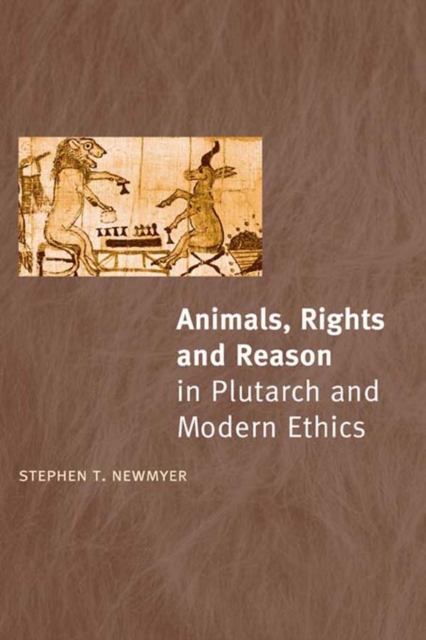
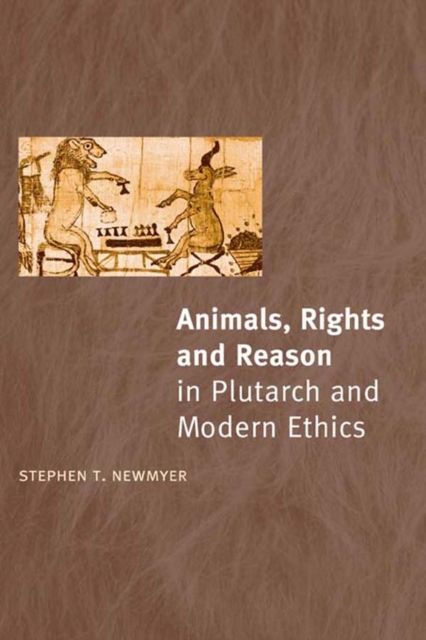
This groundbreaking volume explores Plutarch's unique survival in the argument that animals are rational and sentient, and that we, as humans, must take notice of their interests.
This groundbreaking volume explores Plutarch's unique survival in the argument that animals are rational and sentient, and that we, as humans, must take notice of their interests.