Written by a master of the subject with a long teaching experience, this book is a concise and accessible overview of the response of early Christian thought to classical philosophy and its integration into Christian theology.
Written by a master of the subject with a long teaching experience, this book is a concise and accessible overview of the response of early Christian thought to classical philosophy and its integration into Christian theology.
Arthur Herman has now written the definitive sequel to his New York Times bestseller, How the Scots Invented the Modern World, and extends the themes of the book—which sold half a million copies worldwide—back to the ancient Greeks and forward to the age of the Internet.
An energetic new translation of an ancient Roman masterpiece about a failed coup led by a corrupt and charismatic politicianIn 63 BC, frustrated by his failure to be elected leader of the Roman Republic, the aristocrat Catiline tried to topple its elected government.
A major new interpretation of Vergil's epic poem as a struggle between two incompatible versions of the Homeric heroThis compelling book offers an entirely new way of understanding the Aeneid.
This fully annotated volume offers the first English translation of the orations of Himerius of Athens, a prominent teacher of rhetoric in the fourth century A.
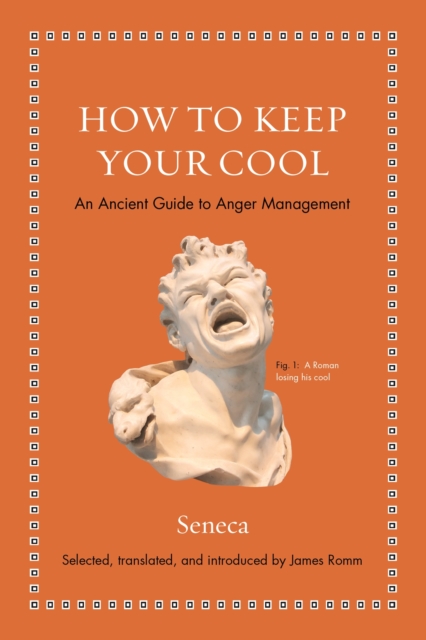
Timeless wisdom on controlling anger in personal life and politics from the Roman Stoic philosopher and statesman SenecaIn his essay "e;On Anger"e; (De Ira), the Roman Stoic thinker Seneca (c.
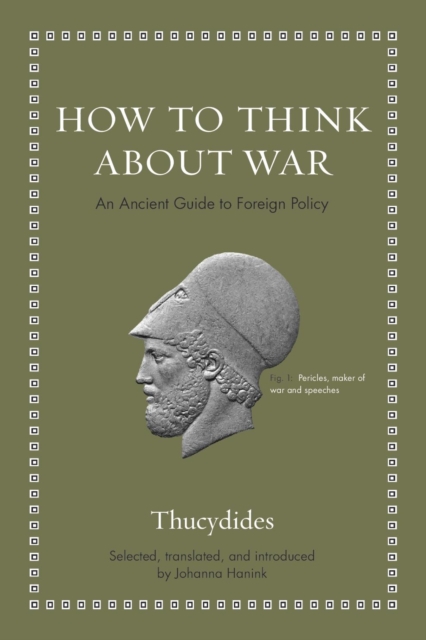
An accessible modern translation of essential speeches from Thucydides's History that takes readers to the heart of his profound insights on diplomacy, foreign policy, and warWhy do nations go to war?
Offers a systematic presentation of Plato''s late cosmology, showing connections to his ethics and arguments about the organic structure of the universe.
A lively dialogue between a foreign philosopher and a powerful statesman, Plato's Laws reflects the essence of the philosopher's reasoning on political theory and practice.
The ne plus ultra of Stoicism, Discourses outline clear-cut principles of right conduct and true thinking, offering secular thinkers a mode of reasoning that dismisses the strictures of absolutism and emotionalism in exchange for a more peaceful and productive life.
In this compilation of Books 3 and 4 of Epictetus' Discourses the second of a two-volume set the philosopher discusses the quest for freedom, the nature of solitude, cynicism, fear, discretion, the avoidance of quarrels, and other subjects of enduring interest and concern.
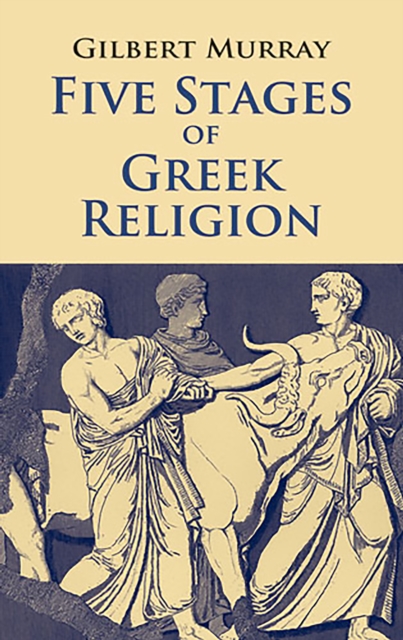
Beginning with Greece's earliest rites, this volume traces the development of the classic religion of the Olympian gods and discusses the religion of the philosophic schools of the fourth century BC.
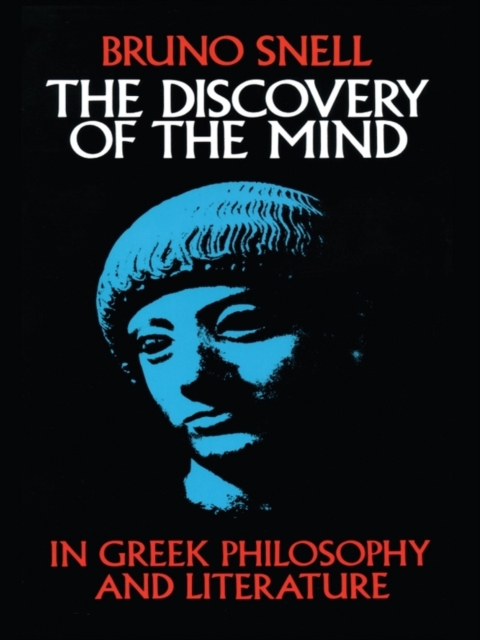
"e;An illuminating and convincing account of the enormous change in the whole conception of morals and human personality which took place during the centuries covered by Homer, the early lyric poets, the dramatists, and Socrates.
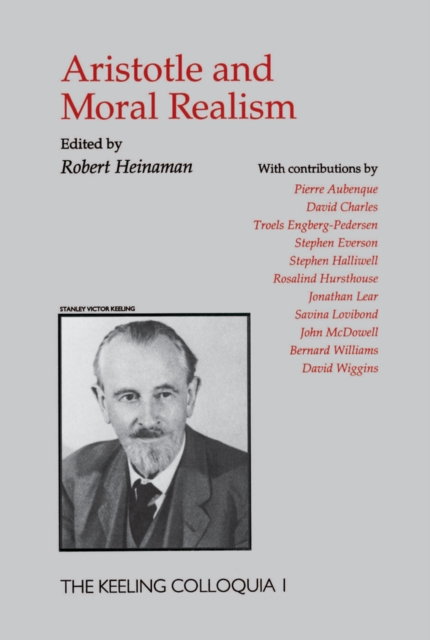
This volume of essays brings together scholars of ancient philosophy and some of today's most distinguished moral philosophers to discuss Aristotle's ethics and the problems of moral realism.
This volume of essays brings together scholars of ancient philosophy and some of today's most distinguished moral philosophers to discuss Aristotle's ethics and the problems of moral realism.
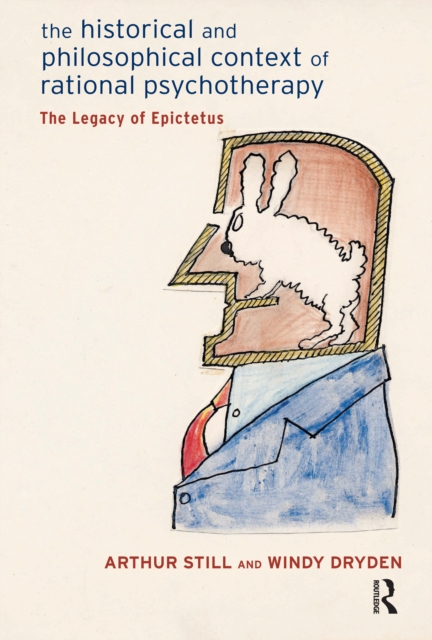
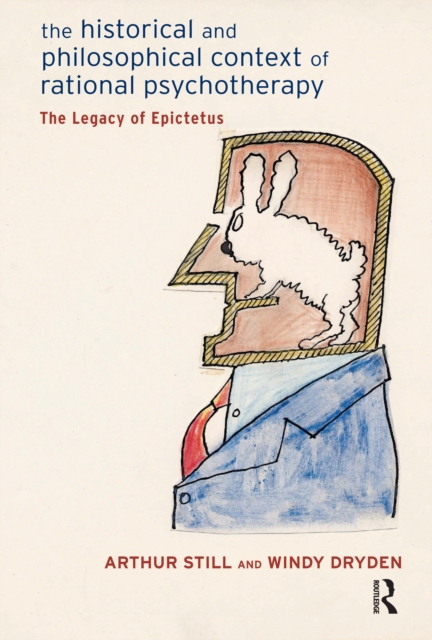
This book brings together the papers written by the authors over the last fifteen years on the historical and philosophical foundations of Albert Ellis' Rational Psychotherapy (later Rational Emotive Behavior Therapy, REBT) and its relationship to Stoicism, especially the later practical form represented by Epictetus.
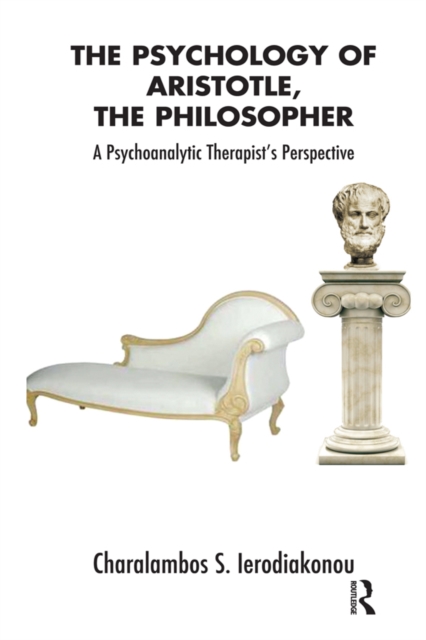
In this book, the author collects and discusses views and ideas of the ancient philosopher Aristotle which have psychological interest and compares them with today's theories.
This book brings together the papers written by the authors over the last fifteen years on the historical and philosophical foundations of Albert Ellis' Rational Psychotherapy (later Rational Emotive Behavior Therapy, REBT) and its relationship to Stoicism, especially the later practical form represented by Epictetus.
This book, first published in 1914, examines the life of Socrates and his teaching, and also details the world in which he lived, the Greece of the time experiencing a breakdown of authority in religion, morality and society.
This book, first published in 1914, examines the life of Socrates and his teaching, and also details the world in which he lived, the Greece of the time experiencing a breakdown of authority in religion, morality and society.
In this book, first published in 1927, the author presents us with three conversations, fables, that, beautiful in themselves, also have a direct bearing on what is being discussed: Death and the Hereafter; Justice; and the Kingdom of Heaven.
In this book, first published in 1927, the author presents us with three conversations, fables, that, beautiful in themselves, also have a direct bearing on what is being discussed: Death and the Hereafter; Justice; and the Kingdom of Heaven.
This book, first published in 1978, is a radical approach to the philosophical distinction between Being and beings, in which the life of Socrates is used as the metaphor for the theoretical life, in contrast to the continuous historical interest in that life as an object for biographical reconstruction and description.
This book, first published in 1978, is a radical approach to the philosophical distinction between Being and beings, in which the life of Socrates is used as the metaphor for the theoretical life, in contrast to the continuous historical interest in that life as an object for biographical reconstruction and description.
First published in 1999, this work tests the ancient against the modern in discussing whether modern approaches to ethics remain sufficiently able to provide a serious and justifiable account of morality.
First published in 1999, this work tests the ancient against the modern in discussing whether modern approaches to ethics remain sufficiently able to provide a serious and justifiable account of morality.