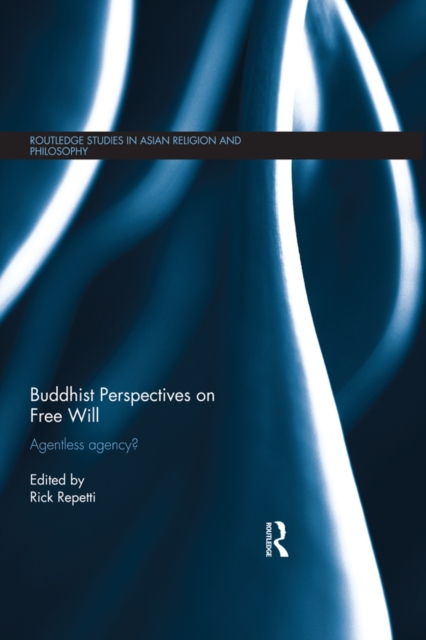
Throughout the history of Buddhism, little has been said prior to the Twentieth Century that explicitly raises the question whether we have free will, though the Buddha rejected fatalism and some Buddhists have addressed whether karma is fatalistic.
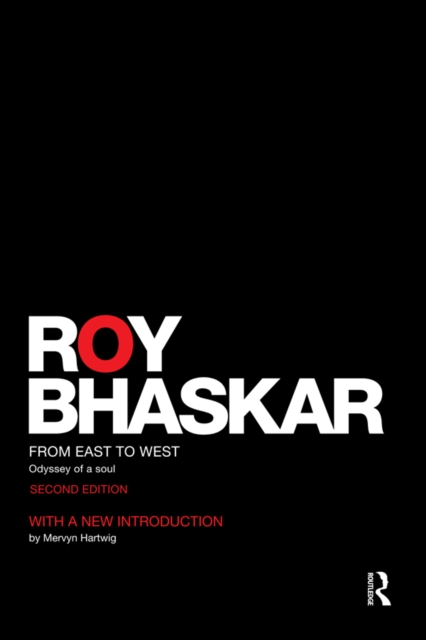
In this radical book, Roy Bhaskar expands his philosophy of critical realism with an audacious re-synthesis of many aspects of Western and Eastern thought.
In this radical book, Roy Bhaskar expands his philosophy of critical realism with an audacious re-synthesis of many aspects of Western and Eastern thought.
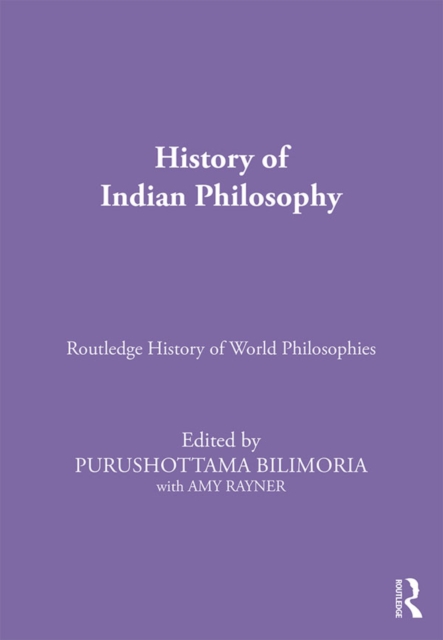
The History of Indian Philosophy is a comprehensive and authoritative examination of the movements and thinkers that have shaped Indian philosophy over the last three thousand years.
The History of Indian Philosophy is a comprehensive and authoritative examination of the movements and thinkers that have shaped Indian philosophy over the last three thousand years.
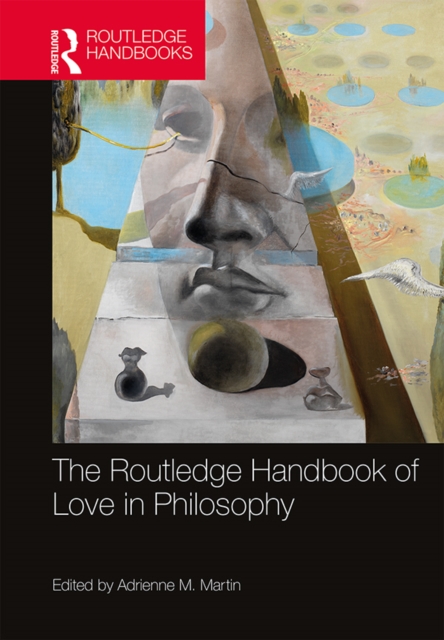
The Routledge Handbook of Love in Philosophy collects 39 original chapters from prominent philosophers on the nature, meaning, value, and predicaments of love, presented in a unique framework that highlights the rich variety of methods and traditions used to engage with these subjects.
The Routledge Handbook of Love in Philosophy collects 39 original chapters from prominent philosophers on the nature, meaning, value, and predicaments of love, presented in a unique framework that highlights the rich variety of methods and traditions used to engage with these subjects.
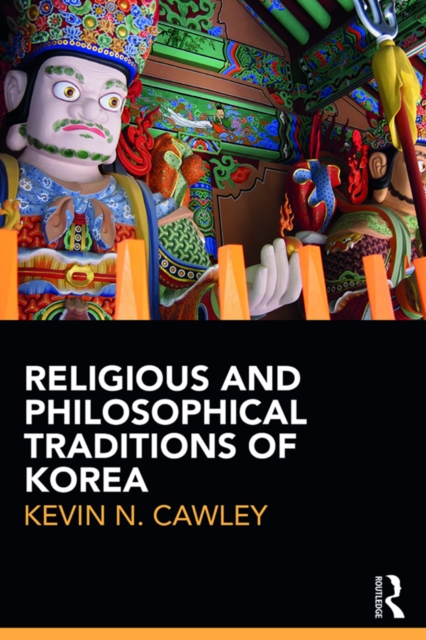
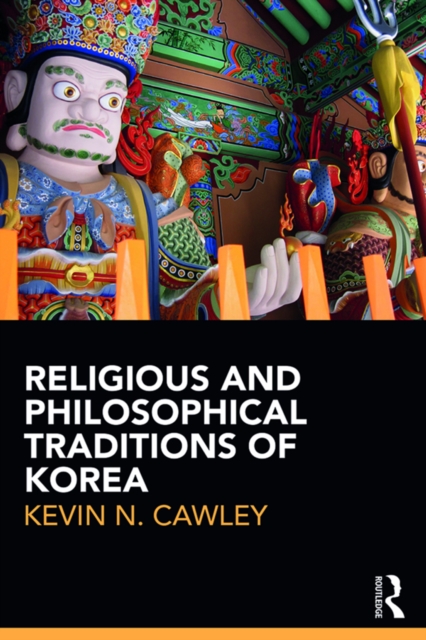
Religious and Philosophical Traditions of Korea addresses a wide range of traditions, serving as a guide to those interested in Buddhism, Confucianism, Shamanism, Christianity and many others.
Religious and Philosophical Traditions of Korea addresses a wide range of traditions, serving as a guide to those interested in Buddhism, Confucianism, Shamanism, Christianity and many others.
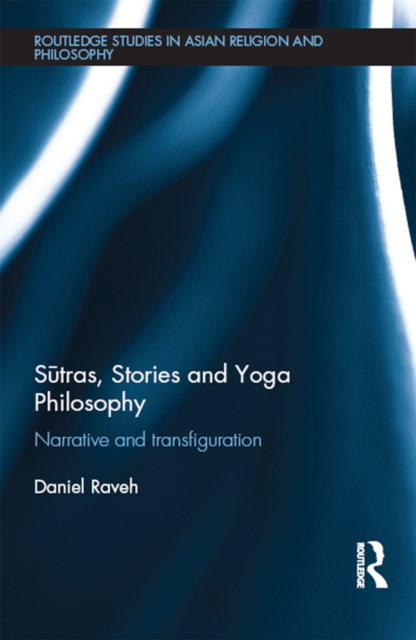
This book presents a close reading of four Indian narratives from different time periods (epic, Upanisadic, pre-modern and contemporary): Ekalavya's story from the Mahabharata (MBh 1.
This book presents a close reading of four Indian narratives from different time periods (epic, Upanisadic, pre-modern and contemporary): Ekalavya's story from the Mahabharata (MBh 1.
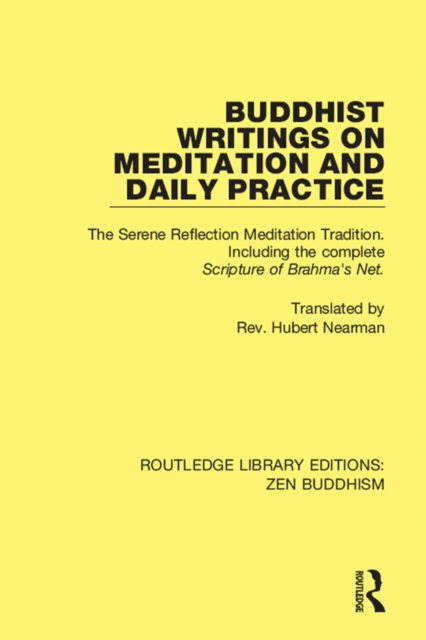
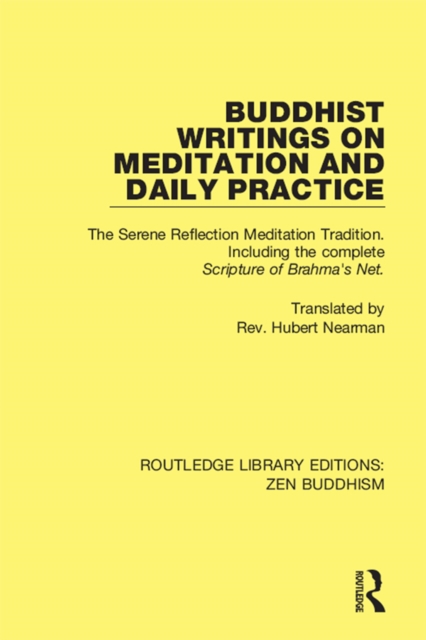
This book, first published in 1994, is a compendium of new translations of certain works regarded as fundamental texts in the Serene Reflection Buddhist Tradition (Soto Zen).
This book, first published in 1994, is a compendium of new translations of certain works regarded as fundamental texts in the Serene Reflection Buddhist Tradition (Soto Zen).
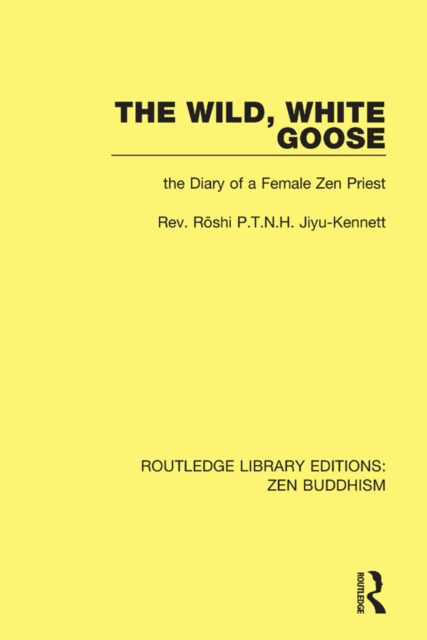
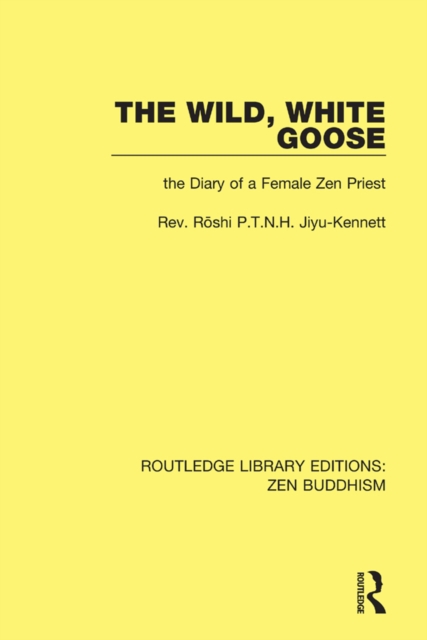
This book, first published as two volumes in 1977 and 1978, was published purely for the purpose of showing how Buddhist training was done by the Reverend Jiyu-Kennett in the Far East.
This book, first published as two volumes in 1977 and 1978, was published purely for the purpose of showing how Buddhist training was done by the Reverend Jiyu-Kennett in the Far East.
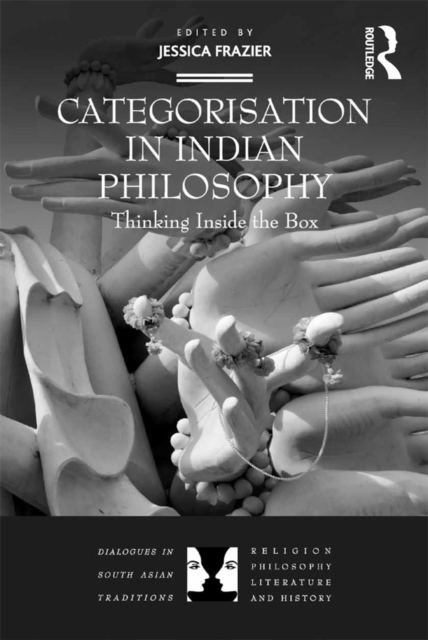
It is by fitting the world into neatly defined boxes that Buddhist, Hindu, and Jain philosophers were able to gain unparalleled insights into the nature of reality, God, language and thought itself.
It is by fitting the world into neatly defined boxes that Buddhist, Hindu, and Jain philosophers were able to gain unparalleled insights into the nature of reality, God, language and thought itself.
The connections between death, contemplation and the contemplative life have been a recurrent theme in the canons of both western and eastern philosophical thought.
The connections between death, contemplation and the contemplative life have been a recurrent theme in the canons of both western and eastern philosophical thought.
This book approaches humanism in the new era in China by discussing the nature of value philosophy and by analyzing in depth the significance of value research for China's modernization and future development.
The debates between various Buddhist and Hindu philosophical systems about the existence, definition and nature of self, occupy a central place in the history of Indian philosophy and religion.
The debates between various Buddhist and Hindu philosophical systems about the existence, definition and nature of self, occupy a central place in the history of Indian philosophy and religion.
This book presents a collection of essays, setting out both the special concern of classical Indian thought and some of its potential contributions to global philosophy.
This book presents a collection of essays, setting out both the special concern of classical Indian thought and some of its potential contributions to global philosophy.
Learning from Chinese Philosophies engages Confucian and Daoist philosophies in creative interplay, developing a theory of interdependent selfhood in the two philosophical traditions.
Learning from Chinese Philosophies engages Confucian and Daoist philosophies in creative interplay, developing a theory of interdependent selfhood in the two philosophical traditions.
Psychology in Asia: An Introduction is the second edition of this introductory level textbook on psychology and human behavior written with an Asian focus.
The Hindu thinker Swami Vivekananda (1863-1902) was and remains an important figure both within India, and in the West, where he was notable for preaching Vedanta.
The Hindu thinker Swami Vivekananda (1863-1902) was and remains an important figure both within India, and in the West, where he was notable for preaching Vedanta.