This edited collection offers a comparative approach to the topic of multiculturalism, including different authors with contrasting arguments from different philosophical traditions and ideologies.
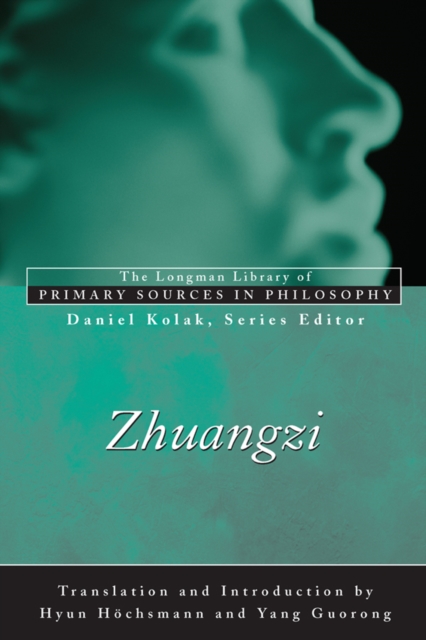
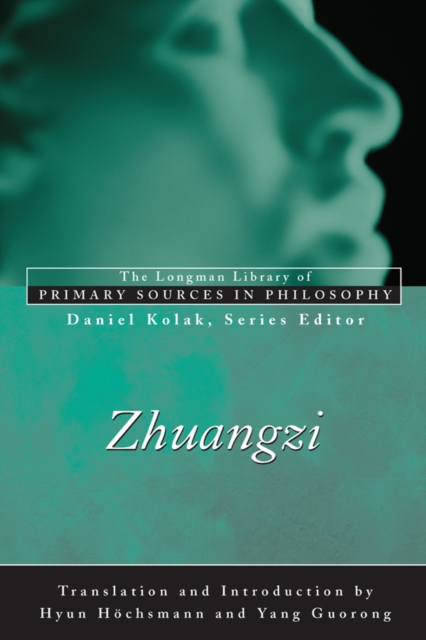
Part of the "e;Longman Library of Primary Sources in Philosophy,"e; this translation/edition of Chuang Tzu's works is framed by a pedagogical structure designed to make this important work of philosophy more accessible and productive for undergraduates.
Part of the "e;Longman Library of Primary Sources in Philosophy,"e; this translation/edition of Chuang Tzu's works is framed by a pedagogical structure designed to make this important work of philosophy more accessible and productive for undergraduates.
New and annotated translations of philosophical essays written by Mao Zedong in 1937, which have come to be regarded as a cornerstone in the development of Chinese Marxism.
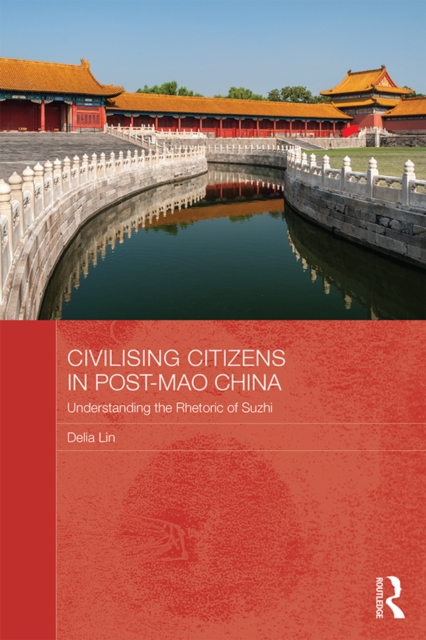
Political discourse in contemporary China is intimately linked to the patriotic reverie of restoring China as a great civilisation, a dream of reformers since the beginning of the twentieth century.
Political discourse in contemporary China is intimately linked to the patriotic reverie of restoring China as a great civilisation, a dream of reformers since the beginning of the twentieth century.
Doctors, midwives and other professionals entering the field of postnatal care frequently feel ill-prepared for the task, and a lack of accessible and relevant learning resources can leave learning on the job as the only realistic option.
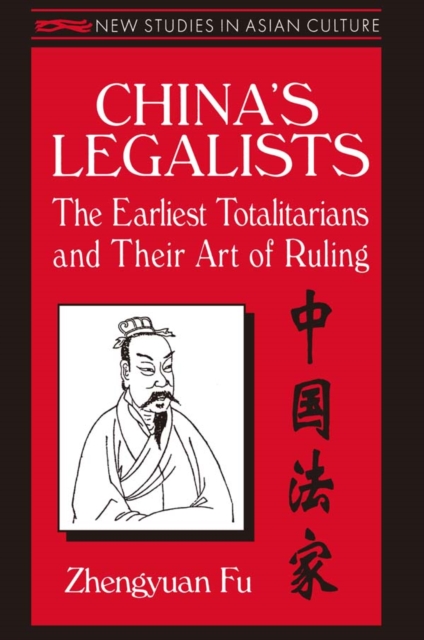
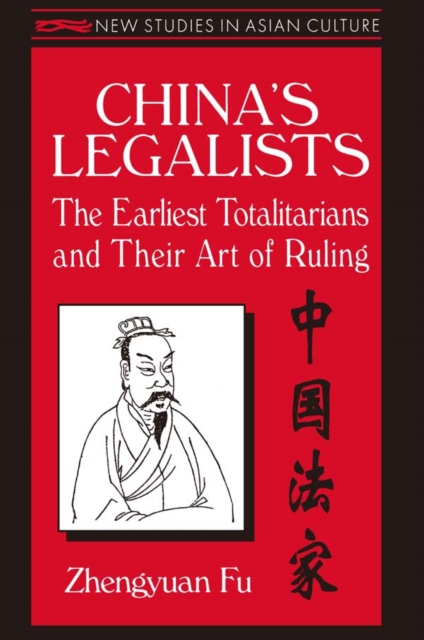
This text discusses the Chinese Legalists, an ancient school of Chinese philosophy which flourished during the Period of the Hundred Contending Schools (6th-3rd century B.
This text discusses the Chinese Legalists, an ancient school of Chinese philosophy which flourished during the Period of the Hundred Contending Schools (6th-3rd century B.
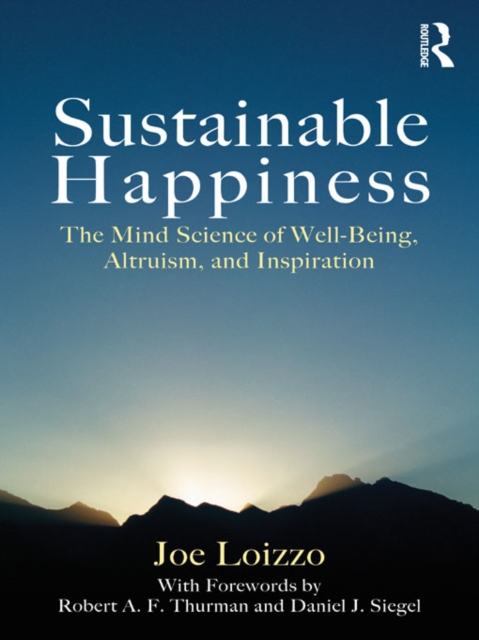
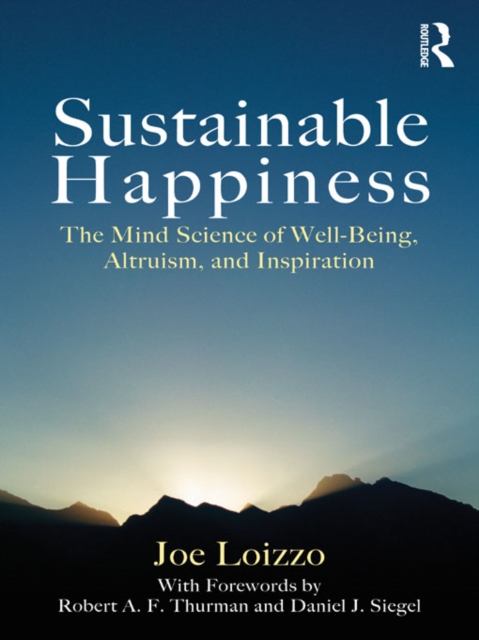
Today's greatest health challenges, the so-called diseases of civilization-depression, trauma, obesity, cancer-are now known in large part to reflect our inability to tame stress reflexes gone wild and to empower instead the peaceful, healing and sociable part of our nature that adapts us to civilized life.
Today's greatest health challenges, the so-called diseases of civilization-depression, trauma, obesity, cancer-are now known in large part to reflect our inability to tame stress reflexes gone wild and to empower instead the peaceful, healing and sociable part of our nature that adapts us to civilized life.
Based on original translations of passages from the works of three major thinkers of the classical Indian school of Advaita (Sankara, Vacaspati and Sri Harsa), but addressing issues found in Descartes, Berkeley, Hume, Kant, Wittgenstein and contemporary analytic philosophers, this book argues for a philosophical position it calls 'non-realism'.
Based on original translations of passages from the works of three major thinkers of the classical Indian school of Advaita (Sankara, Vacaspati and Sri Harsa), but addressing issues found in Descartes, Berkeley, Hume, Kant, Wittgenstein and contemporary analytic philosophers, this book argues for a philosophical position it calls 'non-realism'.
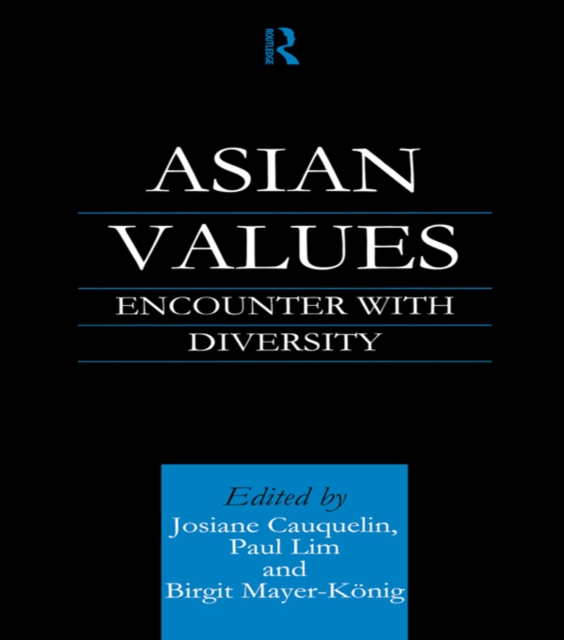
This book opens with an examination of values themselves, grappling with western assertions of individual human rights and the eastern emphasis on duties, and analysing selected Asian philosophical and religious traditions.
This book opens with an examination of values themselves, grappling with western assertions of individual human rights and the eastern emphasis on duties, and analysing selected Asian philosophical and religious traditions.
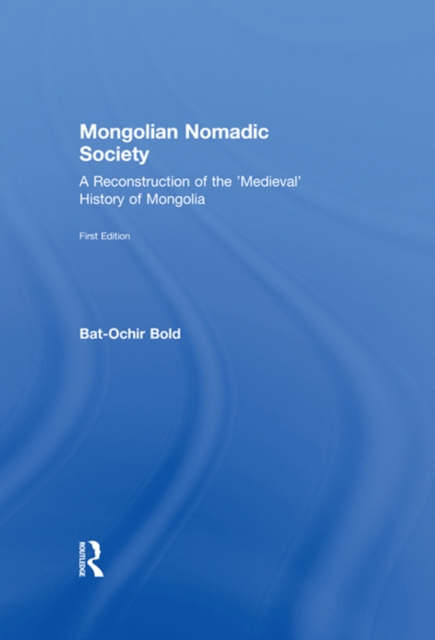
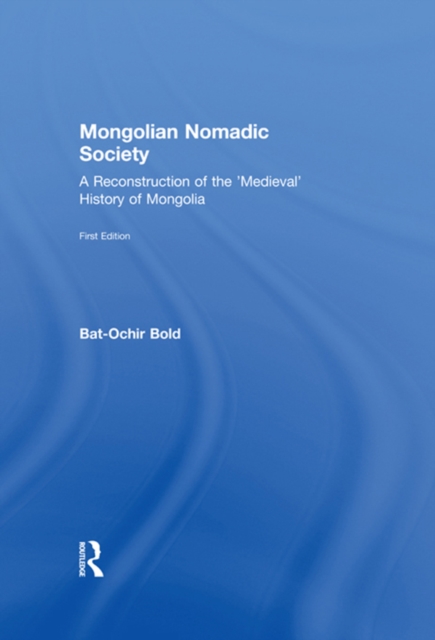
Until the collapse of the socialist system in Mongolia in 1990, Mongolian social sciences was fundamentally schematised in accordance with the prevailing political ideology of socialism, considering the country's history in the theoretical framework of historical materialism, the theory of socio-economic formation, and the feudalism model.
Until the collapse of the socialist system in Mongolia in 1990, Mongolian social sciences was fundamentally schematised in accordance with the prevailing political ideology of socialism, considering the country's history in the theoretical framework of historical materialism, the theory of socio-economic formation, and the feudalism model.
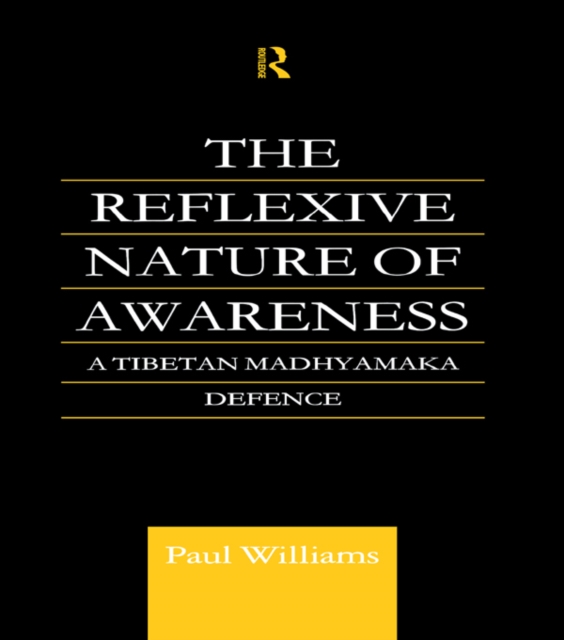
Places the controversy initiated by the Tibetan Tsong kha pa - who elaborated on one of the eight difficult points in understanding Madhyamaka philosophy - in its Indian and Tibetan context.
Places the controversy initiated by the Tibetan Tsong kha pa - who elaborated on one of the eight difficult points in understanding Madhyamaka philosophy - in its Indian and Tibetan context.
Brings together Paul Williams' previously published papers on the Indian and Tibetan interpretations of selected verses from the eighth and ninth chapters of the Bodhicaryavatara.
Brings together Paul Williams' previously published papers on the Indian and Tibetan interpretations of selected verses from the eighth and ninth chapters of the Bodhicaryavatara.
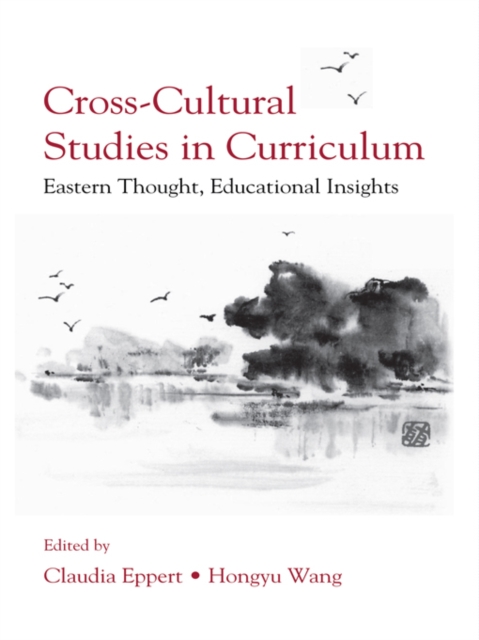
This volume broadens the horizon of educational research in North America by introducing a comprehensive dialogue between Eastern and Western philosophies and perspectives on the subject of curriculum theory and practice.
This volume broadens the horizon of educational research in North America by introducing a comprehensive dialogue between Eastern and Western philosophies and perspectives on the subject of curriculum theory and practice.