An introduction to Japanese spiritual civilization,its significance and realization; Nichirenism (the true Mahayana Buddhism) and Japanese national principles.
Presenting a study of politics at grassroots level among young Japanese, this book examines the alliance between the religious movement Soka Gakkai (the 'Value-creation Society') and Komeito (the 'Clean Government Party'), which shared power with the Liberal Democratic Party from 1999 to 2009.
Presenting a study of politics at grassroots level among young Japanese, this book examines the alliance between the religious movement Soka Gakkai (the 'Value-creation Society') and Komeito (the 'Clean Government Party'), which shared power with the Liberal Democratic Party from 1999 to 2009.
Much has been written on how temples are constructed or reconstructed for reviving local religious and communal life or for recycling tradition after the market reforms in China.
Much has been written on how temples are constructed or reconstructed for reviving local religious and communal life or for recycling tradition after the market reforms in China.
The author presents a selection of papers written over the last twenty or so years, spanning the period from early research into the then nearly unknown Madhyamika writer Bhavaviveka or Bhavya, amongst Tibetan refugees in India, up to the recent past where there interests have, perhaps, somewhat broadened to include comparative religion.
The author presents a selection of papers written over the last twenty or so years, spanning the period from early research into the then nearly unknown Madhyamika writer Bhavaviveka or Bhavya, amongst Tibetan refugees in India, up to the recent past where there interests have, perhaps, somewhat broadened to include comparative religion.
The striking parallels between Derrida's deconstruction and certain strategies eschewing oppositional hierarchies in Asian thought, especially in Buddhism and Daoism, have attracted much attention from scholars of both Western and Asian philosophy.
The striking parallels between Derrida's deconstruction and certain strategies eschewing oppositional hierarchies in Asian thought, especially in Buddhism and Daoism, have attracted much attention from scholars of both Western and Asian philosophy.
This study aims to fill the gap in the existing literature on China's Democratic development, by presenting a comprehensive and detailed examination of the key factors that have created and sustained state domination over society in China.
This study aims to fill the gap in the existing literature on China's Democratic development, by presenting a comprehensive and detailed examination of the key factors that have created and sustained state domination over society in China.
This book traces a most obscure and yet most intriguing theme concealed in Heidegger's thinking and work, which has hitherto not yet been made the focus of a thorough and sustained investigation: that is, the emergence and course of Heidegger's interest in East Asian thought and of his reflection on East-West dialogue.
This book traces a most obscure and yet most intriguing theme concealed in Heidegger's thinking and work, which has hitherto not yet been made the focus of a thorough and sustained investigation: that is, the emergence and course of Heidegger's interest in East Asian thought and of his reflection on East-West dialogue.
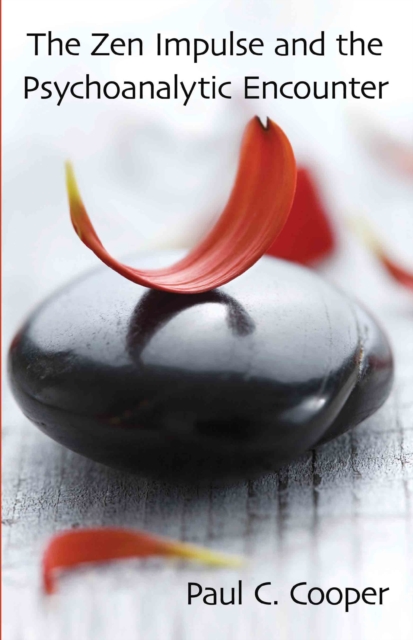
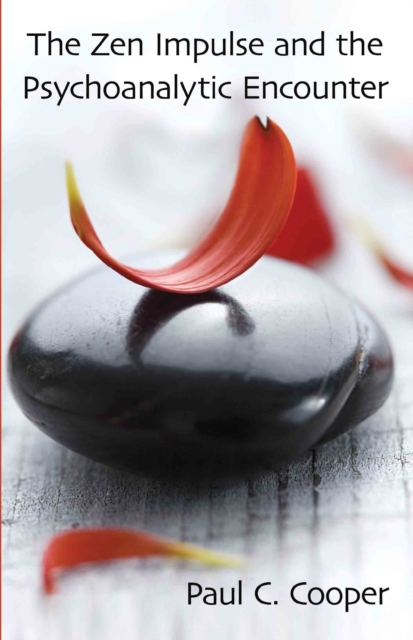
Although psychoanalysis and Zen Buddhism derive from theoretical and philosophical assumptions worlds apart, both experientially-based traditions share at their heart a desire for the understanding, development, and growth of the human experience.
Although psychoanalysis and Zen Buddhism derive from theoretical and philosophical assumptions worlds apart, both experientially-based traditions share at their heart a desire for the understanding, development, and growth of the human experience.
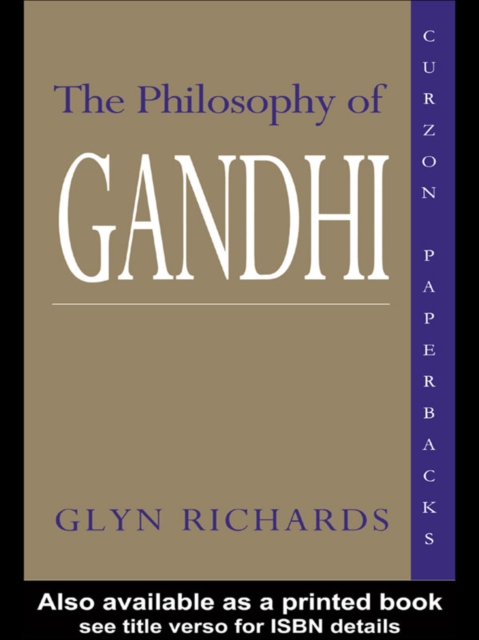
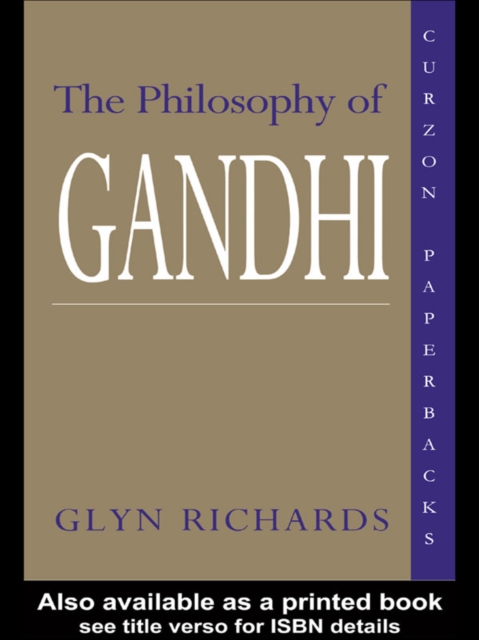
This book seeks to give a coherent account of Gandhi's basic ideas, demonstrating the importance of Hindu thought and the centrality of his concept of Truth.
This book seeks to give a coherent account of Gandhi's basic ideas, demonstrating the importance of Hindu thought and the centrality of his concept of Truth.
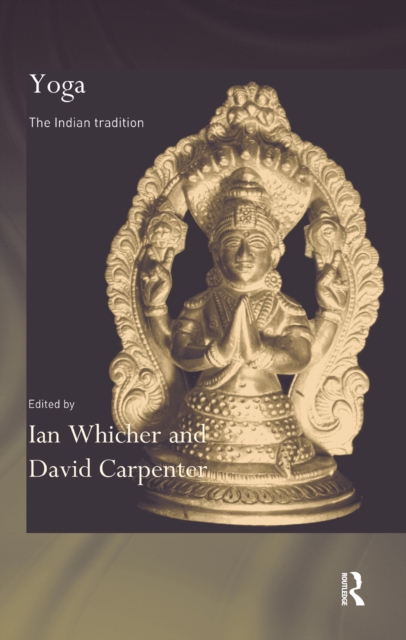
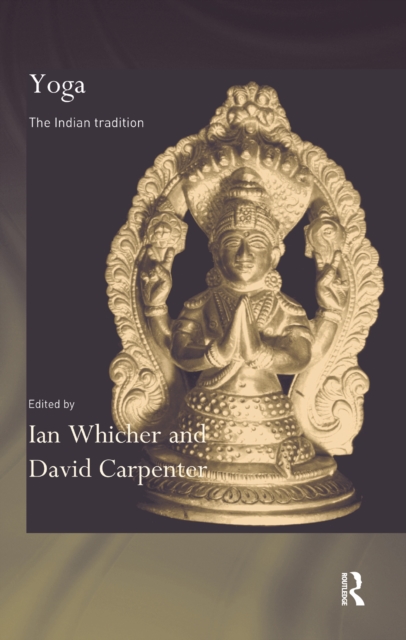
The popular perception of yoga in the West remains for the most part that of a physical fitness program, largely divorced from its historical and spiritual roots.
The popular perception of yoga in the West remains for the most part that of a physical fitness program, largely divorced from its historical and spiritual roots.