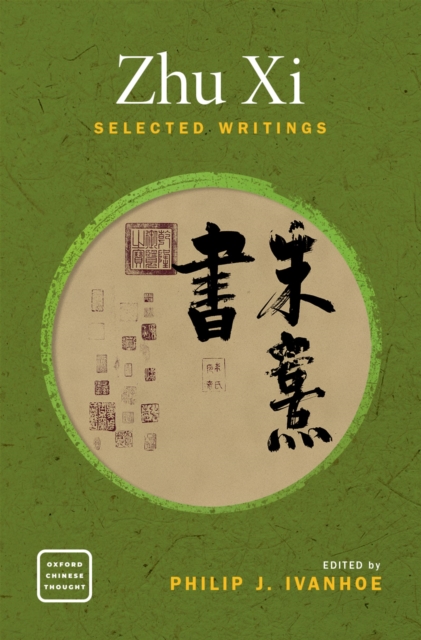
This volume contains nine chapters of translation, by a range of leading scholars, focusing on core themes in the philosophy of Zhu Xi (1130-1200), one of the most influential Chinese thinkers of the later Confucian tradition.
In this eclectic anthology, more than 20 scientists, nature writers, poets, and Zen practitioners, attest to how paying attention to nature can be a healing antidote to the hectic and harrying pace of our lives.
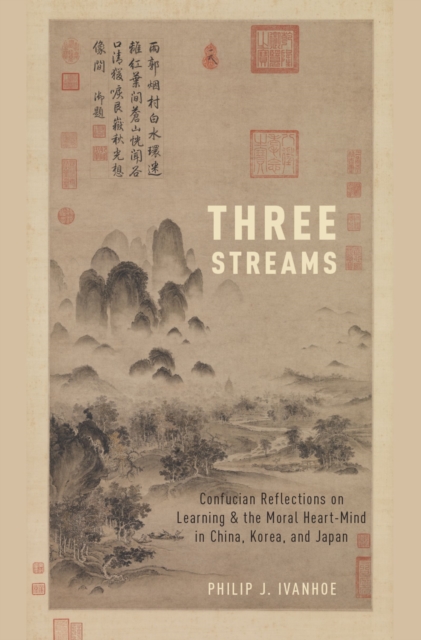
With extensive research and creative interpretations, Dasan's Noneo gogeum ju (Old and New Commentaries of the Analects) has been evaluated in the academia of Korean Studies as a crystallization of his studies on the Confucian classics.
With extensive research and creative interpretations, Dasan's Noneo gogeum ju (Old and New Commentaries of the Analects) has been evaluated in the academia of Korean Studies as a crystallization of his studies on the Confucian classics.
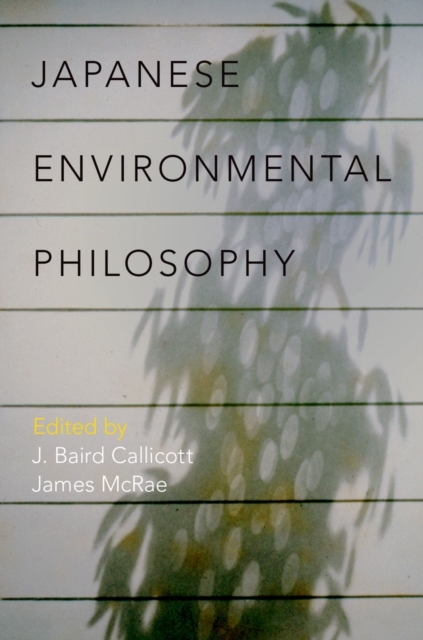
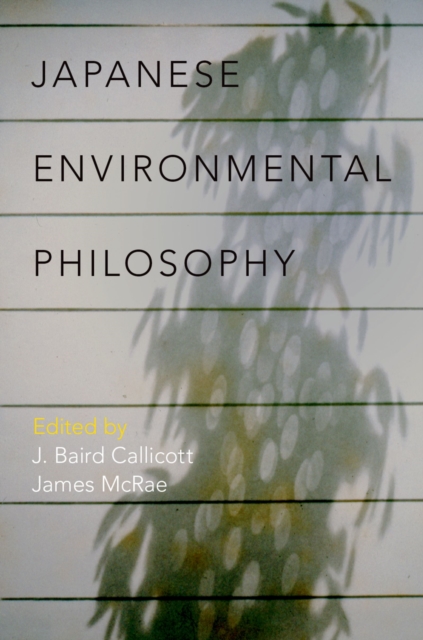
Japanese Environmental Philosophy is an anthology that responds to the environmental problems of the 21st century by drawing from Japanese philosophical traditions to investigate our relationships with other humans, nonhuman animals, and the environment.
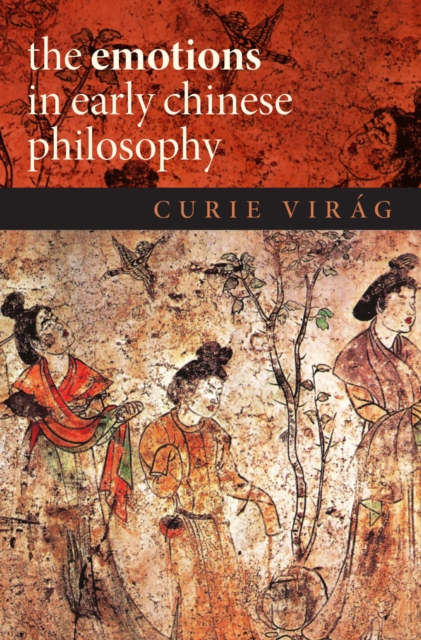
In China, the debate over the moral status of emotions began around the fourth century BCE, when early philosophers first began to invoke psychological categories such as the mind (xin), human nature (xing), and emotions (qing) to explain the sources of ethical authority and the foundations of knowledge about the world.
With extensive research and creative interpretations, Dasan's Noneo gogeum ju (Old and New Commentaries of the Analects) has been evaluated in the academia of Korean Studies as a crystallization of his studies on the Confucian classics.
With extensive research and creative interpretations, Dasan's Noneo gogeum ju (Old and New Commentaries of the Analects) has been evaluated in the academia of Korean Studies as a crystallization of his studies on the Confucian classics.
While a short work of only eight verses and a three-page autocommentary, the Investigation of the Percept has inspired epistemologists for centuries and has had a wide-ranging impact in India, Tibet, and China.
While a short work of only eight verses and a three-page autocommentary, the Investigation of the Percept has inspired epistemologists for centuries and has had a wide-ranging impact in India, Tibet, and China.
Distinguished scholar of Japanese religions and culture Helen Hardacre offers the first comprehensive history of Shinto, the ancient and vibrant tradition whose colorful rituals are still practiced today.
Distinguished scholar of Japanese religions and culture Helen Hardacre offers the first comprehensive history of Shinto, the ancient and vibrant tradition whose colorful rituals are still practiced today.
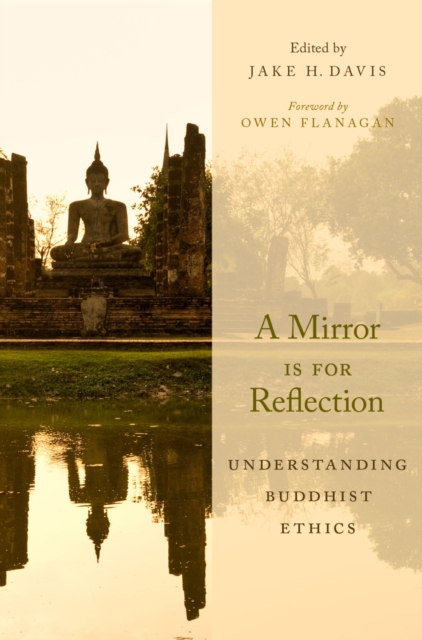
This volume offers a rich and accessible introduction to contemporary research on Buddhist ethical thought for interested students and scholars, yet also offers chapters taking up more technical philosophical and textual topics.
In China, the debate over the moral status of emotions began around the fourth century BCE, when early philosophers first began to invoke psychological categories such as the mind (xin), human nature (xing), and emotions (qing) to explain the sources of ethical authority and the foundations of knowledge about the world.
Japanese Environmental Philosophy is an anthology that responds to the environmental problems of the 21st century by drawing from Japanese philosophical traditions to investigate our relationships with other humans, nonhuman animals, and the environment.
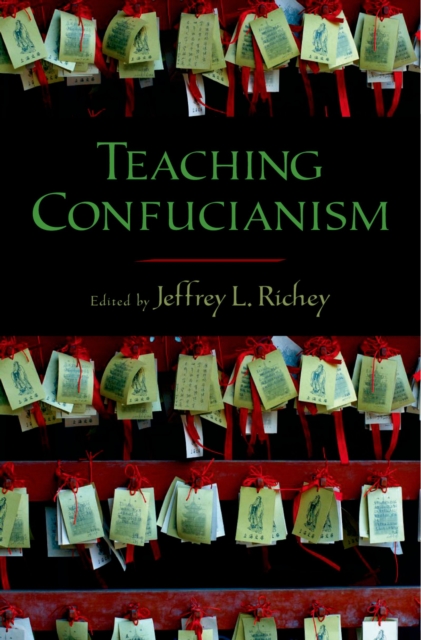
Even the most casual observer of Chinese society is aware of the tremendous significance of Confucianism as a linchpin of both ancient and modern Chinese identity.
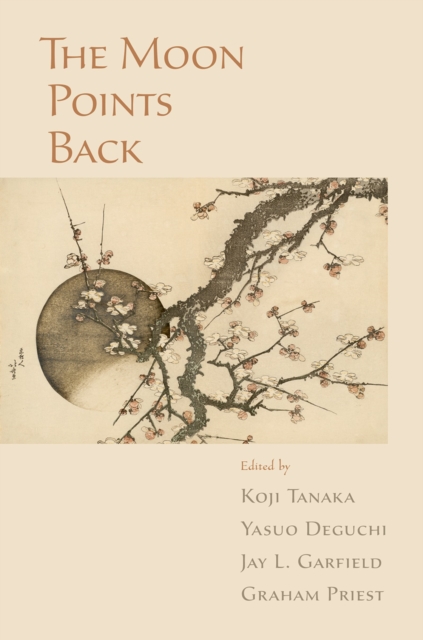
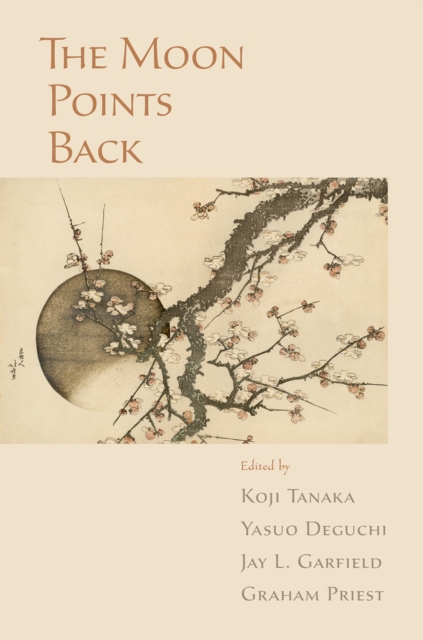
The Moon Points Back comprises essays by both established scholars in Buddhist and Western philosophy and young scholars contributing to cross-cultural philosophy.
This book examines how Western behavioral science--which has generally focused on negative aspects of human nature--holds up to cross-cultural scrutiny, in particular the Tibetan Buddhist celebration of the human potential for altruism, empathy, and compassion.
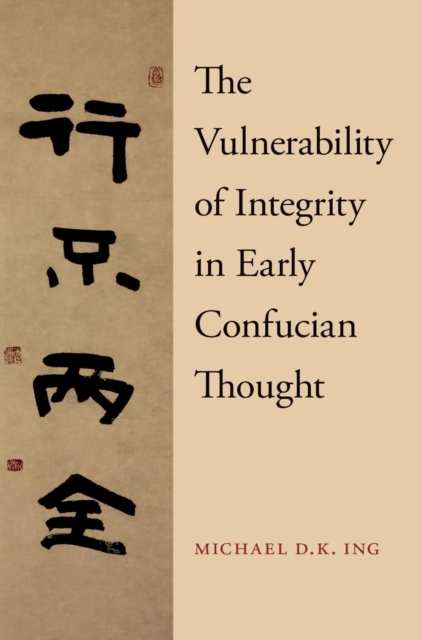
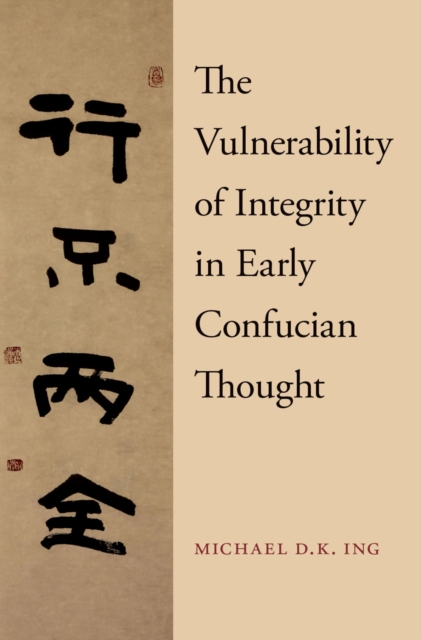
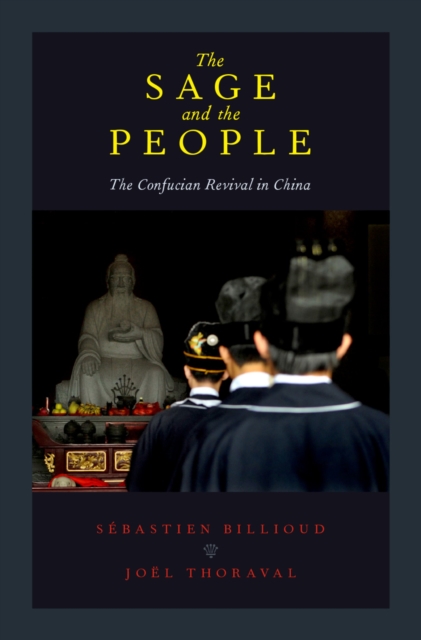
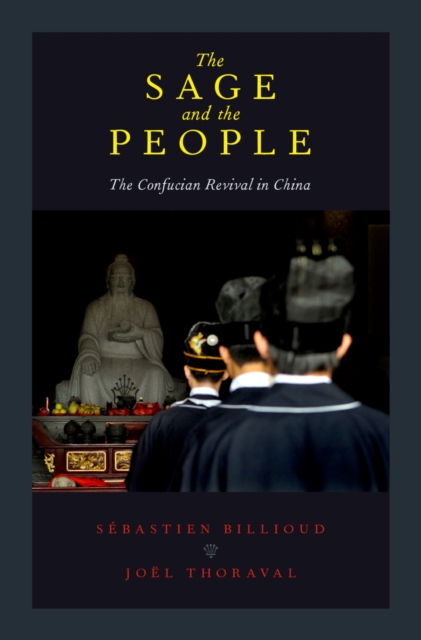
Winner of the 2015 Pierre-Antoine Bernheim Prize for the History of Religion by the Academie des Inscriptions et Belles-LettresAfter a century during which Confucianism was viewed by academics as a relic of the imperial past or, at best, a philosophical resource, its striking comeback in Chinese society today raises a number of questions about the role that this ancient tradition might play in a contemporary context.
Winner of the 2015 Pierre-Antoine Bernheim Prize for the History of Religion by the Academie des Inscriptions et Belles-LettresAfter a century during which Confucianism was viewed by academics as a relic of the imperial past or, at best, a philosophical resource, its striking comeback in Chinese society today raises a number of questions about the role that this ancient tradition might play in a contemporary context.
The Moon Points Back comprises essays by both established scholars in Buddhist and Western philosophy and young scholars contributing to cross-cultural philosophy.
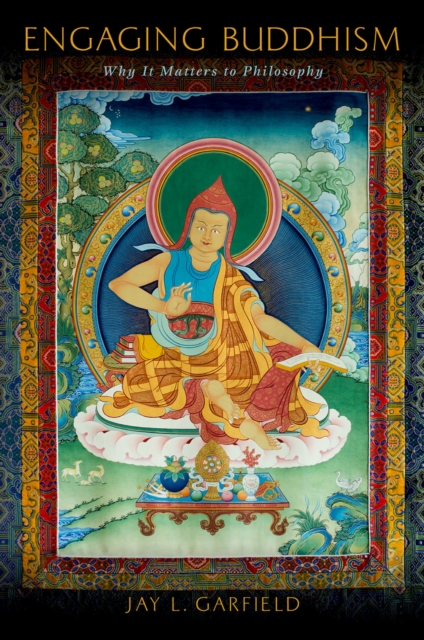
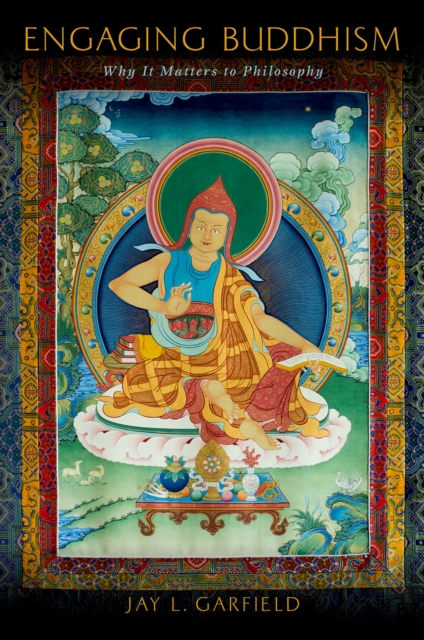
This is a book for scholars of Western philosophy who wish to engage with Buddhist philosophy, or who simply want to extend their philosophical horizons.
This is a book for scholars of Western philosophy who wish to engage with Buddhist philosophy, or who simply want to extend their philosophical horizons.
Perhaps the most widely read thinker of all time, Confucius transformed Chinese philosophy with his belief that the greatest goal in life was pursuit of 'The Way': a search for virtue not as a means to rewards in this world or the next, but as the pinnacle of human existence.
A wonderfully enjoyable storehouse of ancient Chinese history and legends, which also has an important role in understanding 21st-century China'And remember: Heaven's blessing will cease forever if there's despair and poverty in your lands'The Most Venerable Book (also known as The Book of History) is one of the Five Classics, a key work of Chinese literature which preserves some of the most ancient and dramatic chronicles of the history, both real and mythological, of the Chinese state.
For a generation adjusting painfully to the demands of a modern industrial and commercial society, Asia came to represent an alternative vision of the good life: aesthetically austere, socially aristocratic, and imbued with spirituality.
Still a source of inspiration for soldiers on the battlefield and managers in the boardroom 2000 years after it was written, Sun-Tzu's The Art of War is the most influential book of strategy in the world, translated from the Chinese by John Minford in Penguin Classics.
Never before published in Kerouac's lifetime, this 1955 biography of the founder of Buddhism is a clear and powerful study of Siddartha Gautama's life and works.
'The Master said, "e;If a man sets his heart on benevolence, he will be free from evil"e;'The Analects are a collection of Confucius's sayings brought together by his pupils shortly after his death in 497 BC.
Yoga Sastra by John Murdoch is an illuminating exploration of the Yoga Sutras of Patanjali, enriched by insights into Swami Vivekananda's profound contributions to the philosophy of yoga.
A trenchant defense of hierarchy in different spheres of our lives, from the personal to the politicalAll complex and large-scale societies are organized along certain hierarchies, but the concept of hierarchy has become almost taboo in the modern world.