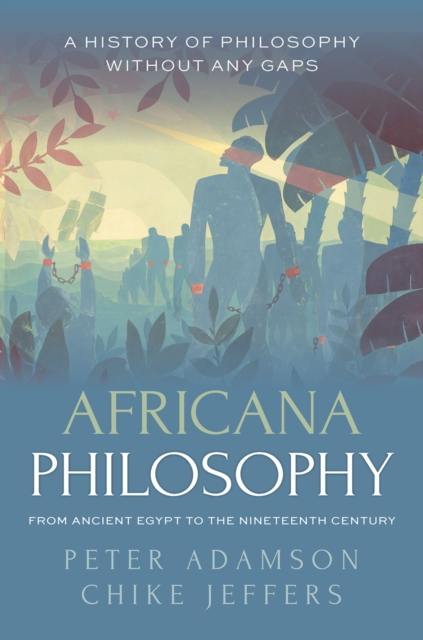
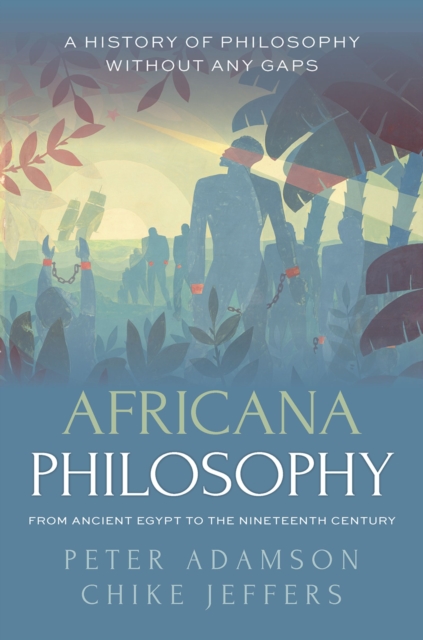
In this latest instalment of the series A History of Philosophy Without Any Gaps, Peter Adamson and Chike Jeffers delve into the fascinating world of Africana Philosophy.
In this latest instalment of the series A History of Philosophy Without Any Gaps, Peter Adamson and Chike Jeffers delve into the fascinating world of Africana Philosophy.
Junto con "El lenguaje de los pájaros" -presente ya en esta colección-, "El libro de Dios" y "El libro de las adversidades", "El libro de los secretos" es una de las cumbres que alumbró el sufismo persa.
Mit dem von Nadja Germann und Frieder Vogelmann kuratierten Schwerpunkt »Wissen über Grenzen« versammelt das Archiv für Begriffsgeschichte theoretisch-methodologische Reflexionen und materiale Studien zu einer »kritisch-aufklärerischen, transkulturell geweiteten Begriffsgeschichte«.
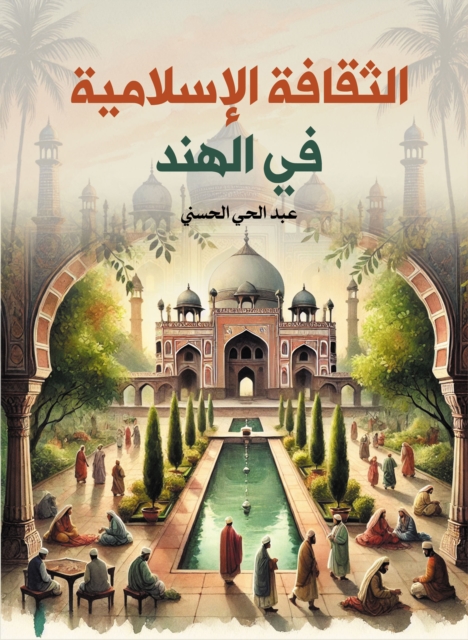
In the heart of the Indian subcontinent, where civilizations met and religions and cultures intertwined, Islamic culture emerged as one of the greatest tributaries of civilizational and scientific development, extending its roots deep into the earth and shining with its fruits in the realm of knowledge and conscience.
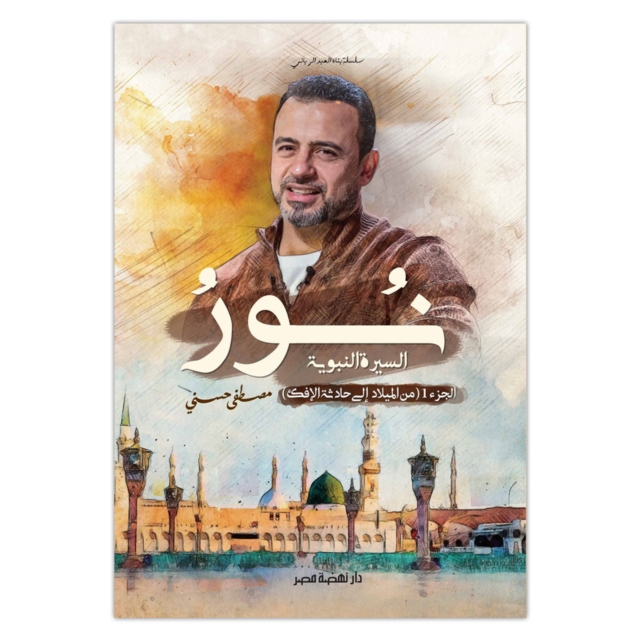
The author presents, through the pages of this book, an added value in the biography of our Prophet Muhammad (peace and blessings be upon him) in a way that suits this era so that both young and old may benefit.
This book discusses the principle of "enjoining good and forbidding evil," which has long occupied a prominent place in doctrinal and jurisprudential studies as a cornerstone of Islamic thought, especially in light of changing times and places and the diversity of legal systems.
In his book "Reflections on Religion and Life," he compiled the articles he wrote while a student at the Faculty of Theology, and included them in a book.
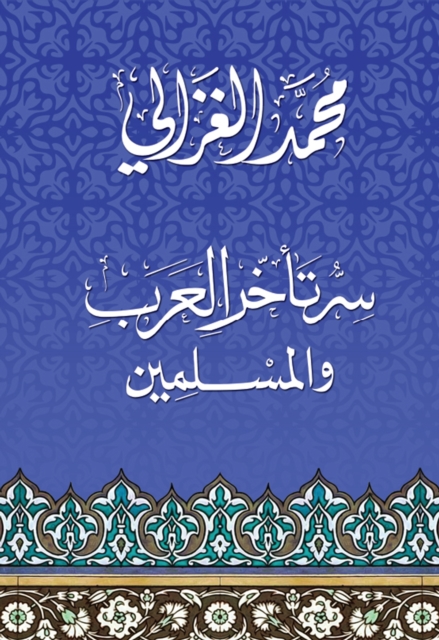
In it, Al-Ghazali expresses his deep reproach and regret towards the Muslims who were the cause of his decline after centuries of prosperity and dominance.
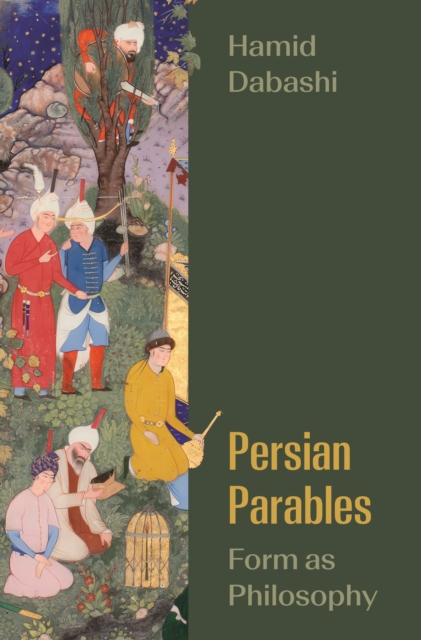
A major reassessment of the parable in Persian literature and its contribution to philosophical and creative thinkingIn this book, Hamid Dabashi offers a radical reconsideration of the parable in Persian literature, arguing that parabolic thinking is a mode of philosophical reflection.
A major reassessment of the parable in Persian literature and its contribution to philosophical and creative thinkingIn this book, Hamid Dabashi offers a radical reconsideration of the parable in Persian literature, arguing that parabolic thinking is a mode of philosophical reflection.
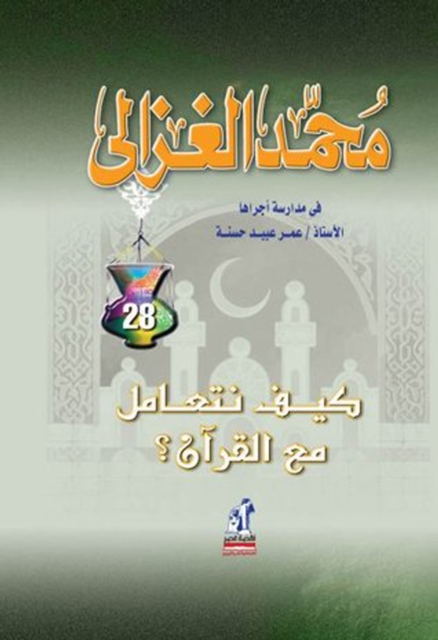
The International Institute of Islamic Thought is honored to open a multifaceted cultural file on the Holy Qur'an, in fulfillment of the Institute's mission, which is based on reforming the intellectual frameworks of Muslims and rebuilding the Islamic cultural system by presenting contemporary Islamic social and human sciences, and seeking the optimal approach to engaging with the Holy Qur'an and the purified Sunnah of the Prophet, according to a specific plan based on four pillars: The first and most important of these is:Reinstating the Holy Qur'an in the Islamic cultural sphere, ending the state of estrangement and disconnection between it and the Muslim mind, and making it the primary and most important source for the contemporary Muslim, as it was for the early generations, to which they turn to derive accurate and sound knowledge in their understanding of humanity, life, and existence, human and social nature, and issues of the individual, family, society, relationships, and systems.
Masterarbeit aus dem Jahr 2020 im Fachbereich Orientalistik / Sinologie - Arabistik, , Sprache: Deutsch, Abstract: Diese Arbeit konzentriert sich auf das Leben und Wirken des wahhabitischen Gelehrten Ibn Bāz, der in den vergangenen Jahrzehnten einen großen Einfluss auf den Salafismus in Deutschland hatte.
Studienarbeit aus dem Jahr 2020 im Fachbereich Theologie - Islamische Religionswissenschaft, Note: 2,0, , Sprache: Deutsch, Abstract: Die folgende Arbeit hat zum Ziel, die Gerechtigkeit aus islamischer Sicht zu beleuchten.
Qur'anic Abrogation After Muhammad: The Eternal Flux presents a bold new interpretive framework for reconciling classical Qur'anic injunctions with the ethical imperatives of the modern world.
Qur'anic Abrogation After Muhammad: The Eternal Flux presents a bold new interpretive framework for reconciling classical Qur'anic injunctions with the ethical imperatives of the modern world.
This book offers a comprehensive study of the history of the Liar Paradox in the Islamic philosophical tradition up to the 15th century, including the first complete English translation of Jalal al-Din al-Dawani's treatise, Final Word.
This book offers a comprehensive study of the history of the Liar Paradox in the Islamic philosophical tradition up to the 15th century, including the first complete English translation of Jalal al-Din al-Dawani's treatise, Final Word.
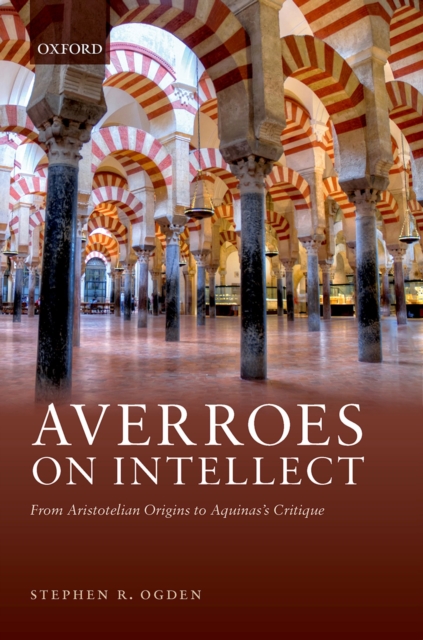
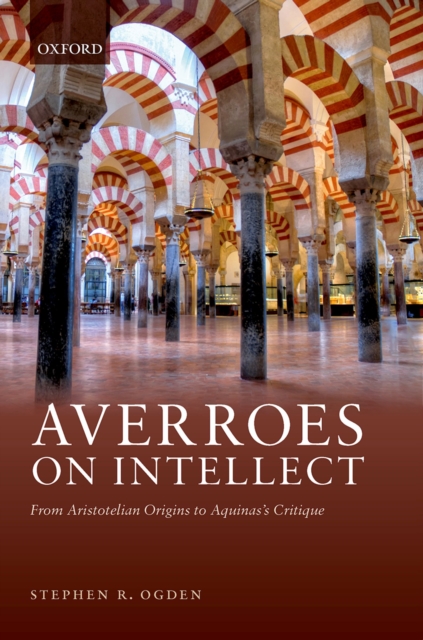
Averroes on Intellect provides a detailed analysis of the Muslim philosopher Averroes (Ibn Rushd)'s notorious unicity thesis -- the view that there is only one separate and eternal intellect for all human beings.
Averroes on Intellect provides a detailed analysis of the Muslim philosopher Averroes (Ibn Rushd)'s notorious unicity thesis -- the view that there is only one separate and eternal intellect for all human beings.
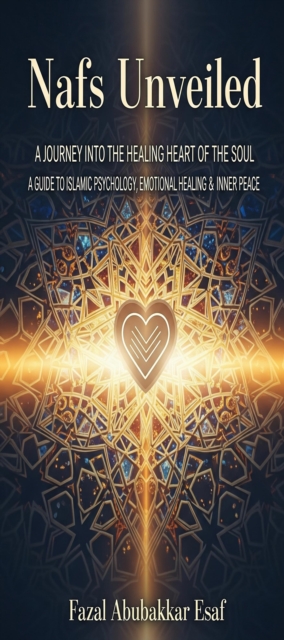
The Soul as a Map, the Self as a MirrorIn the Islamic worldview, the soul (nafs), heart (qalb), spirit (ruh), and intellect ('aql) are not abstract theological ideas—they are real faculties that shape how we perceive, respond, and heal.
This book offers a comparative study of two central yet often neglected moral emotions-shame and pride-in the ethical writings of Abu Hamid al-Ghazali and Thomas Aquinas.
This book offers a comparative study of two central yet often neglected moral emotions-shame and pride-in the ethical writings of Abu Hamid al-Ghazali and Thomas Aquinas.
This is the first full-length monograph to explore Sufism in Saudi Arabia since 1979-a groundbreaking journey into a rarely seen side of the kingdom's religious life.
This volume contains a collection of articles focusing on the philosophical and theological exchanges between Muslim and Christian intellectuals living in Baghdad during the classical period of Islamic history, when this city was a vibrant center of philosophical, scientific, and literary activity.