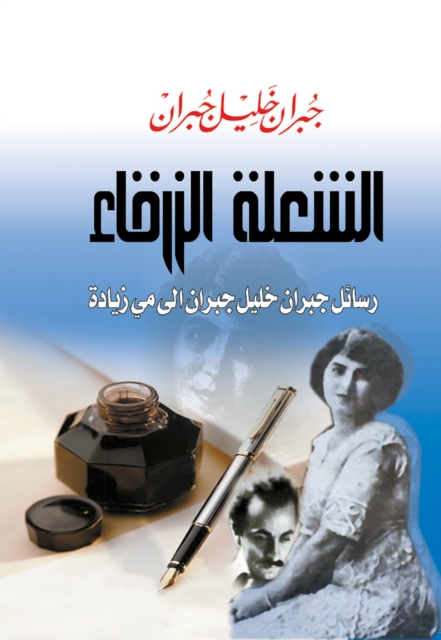
Gibran Khalil Gibran's affection for the writer May Ziadeh lasted for nearly twenty years, with the two men only meeting in the nebulous world of thought, spirit, and imagination.
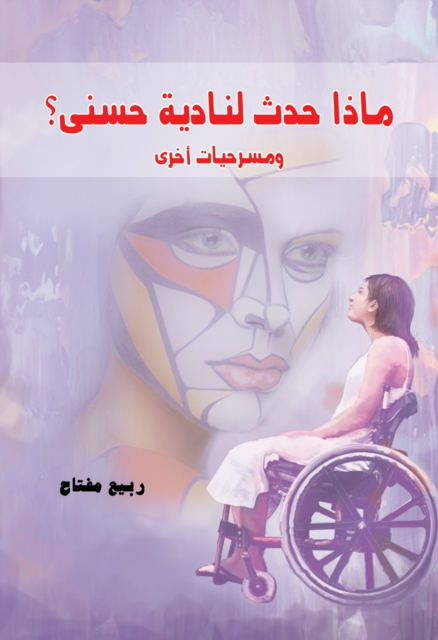
In the introduction to this book of short plays, author Rabie Miftah says: "I fell in love with theater at a very early age, and this love focused on the role of the word in the theatrical system.
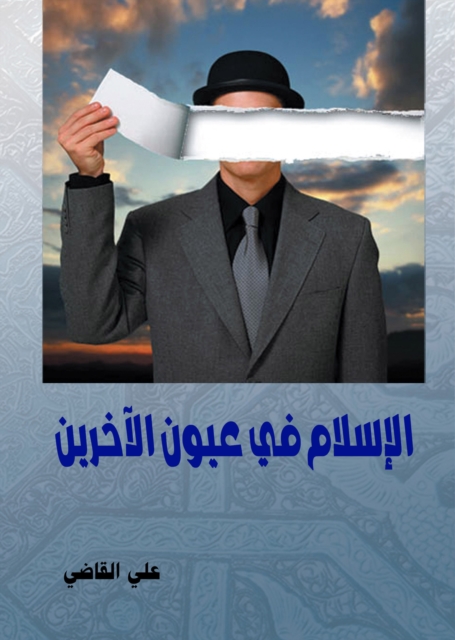
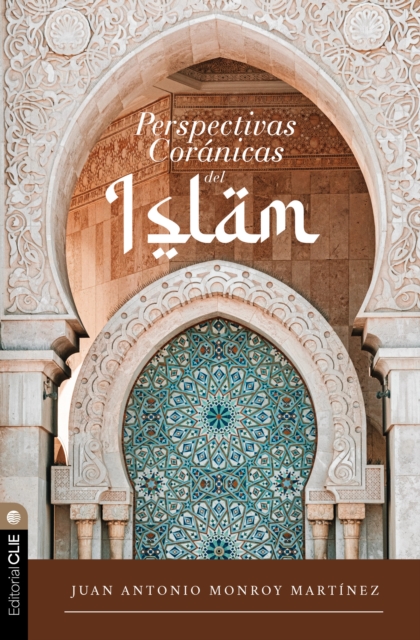
It monitors the attempts of the West to undermine Islam, and they have attached various accusations to it and spread them throughout the world, including Islamic countries, but they plot and God plots, and God is the best of plotters.
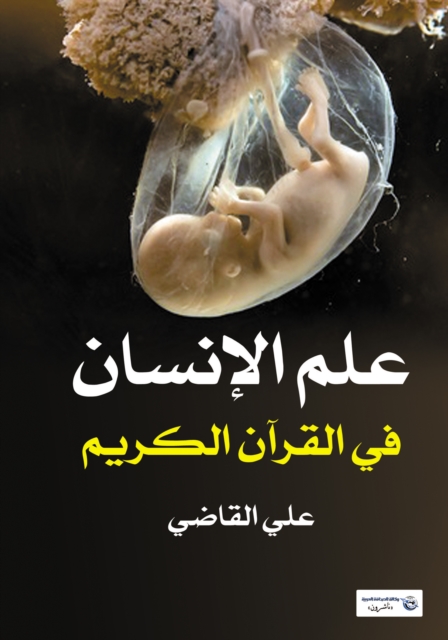
It deals with anthropology, which links psychology, which is concerned with the individual alone, and sociology, which is concerned with society alone.
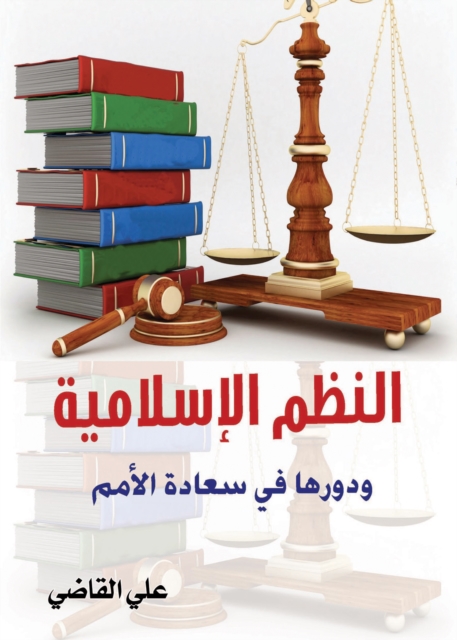
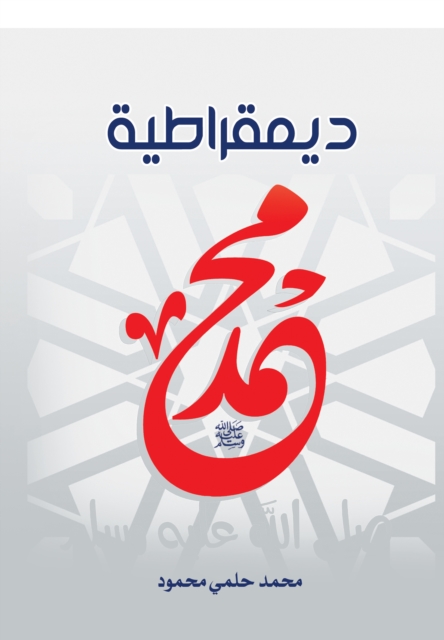
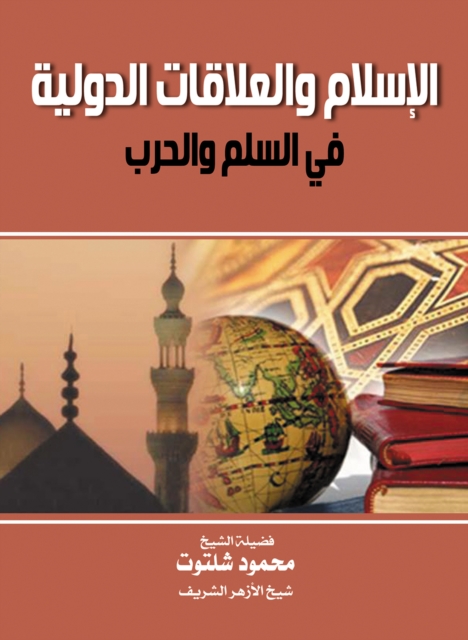
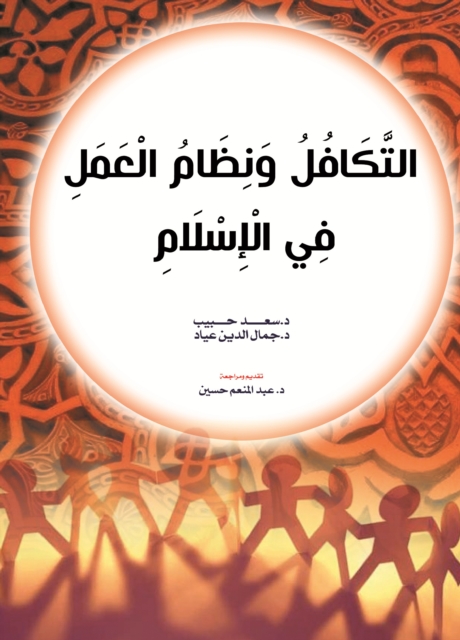
It examines the frameworks of the concept of the curricula that Islam has drawn for the behavior of the Muslim individual, the behavior of the Muslim group, and the behavior of the ruler and the ruled, so that Muslims can perform their function in this life, which appears in the architecture of the earth according to the method of the Creator, Glory be to Him, and this divine guidance to all of humanity in every time and place, and it includes regulating the interaction between the individual and society, between the ruler and the ruled, and between Islamic society and other societies.
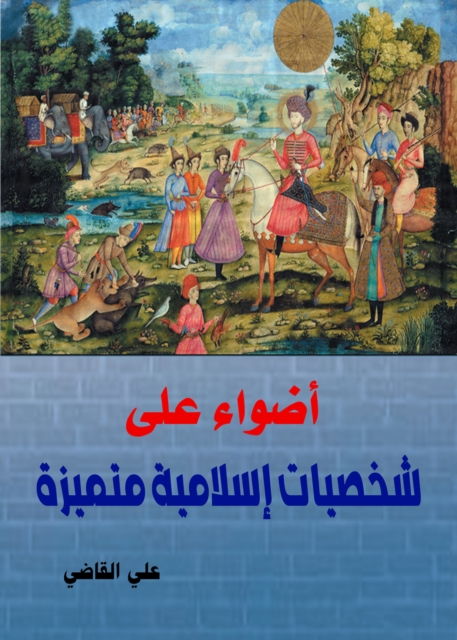
Islamic history is full of wonderful Islamic figures on whose shoulders the call was established, on whose hands civilization was founded, and whose actions embodied the values of truth, goodness and beauty.
It chronicles the most important battles that Muslims fought against their aggressing enemies, especially on the land of Jerusalem in Palestine, which is currently occupied by Israel.
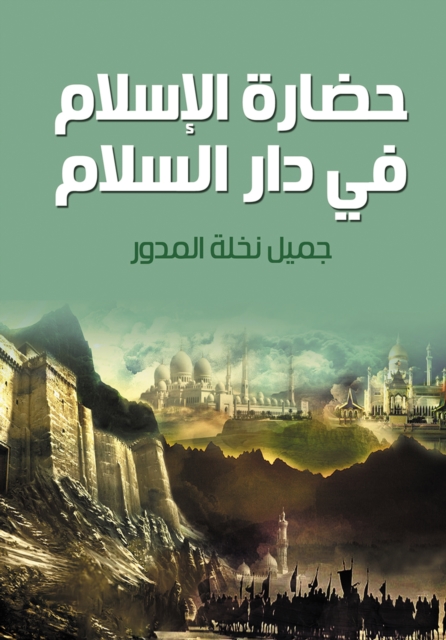
Islamic civilization was established on foundations that distinguished it from other civilizations, the most important of which are: the divine faith, the comprehensiveness and universality of Islam, the encouragement to seek knowledge from the cradle to the grave, and the education of a righteous person whose role is limited to his state.
People differ among themselves when looking at great people, and each one of them takes a standard that is closer to his understanding and more popular among his people.
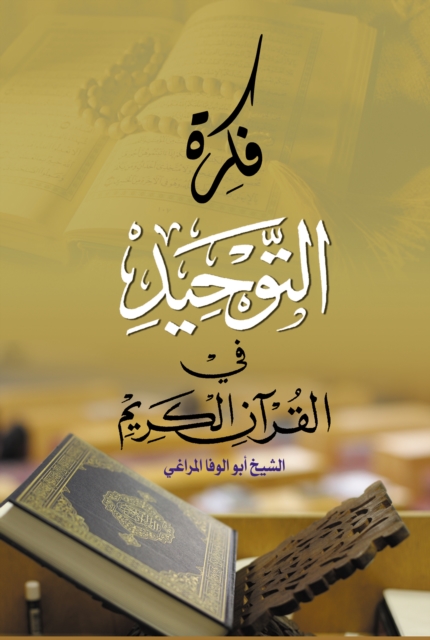
The idea of divine truth and the idea of the oneness of God is one of the highest thoughts in the history of human existence and the most important of them both mentally and religiously.
It is strange that today we care about our food, drink, and clothing, and we rarely care about our nerves, those nerves that began to collapse under the blows of modern civilization and are crushed by its wheels.
This small message has many meanings, and in clearer terms, it is a key to the secrets of the hidden Book of God, the heavenly law, and the eternal constitution that falsehood does not come to from before it.
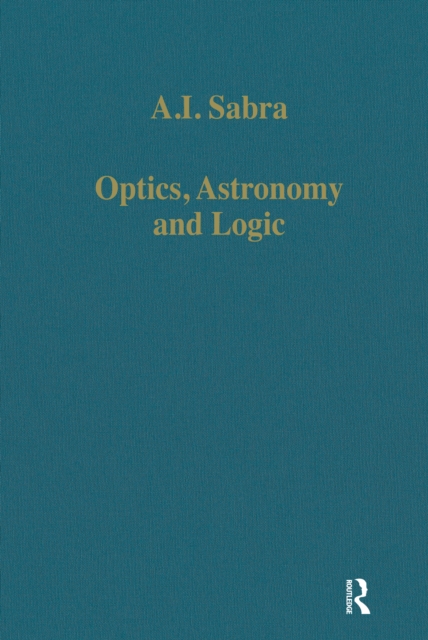
Running through the articles in this volume is the theme of the appropriation and subsequent naturalization of Greek science by scholars in the world of medieval Islam.
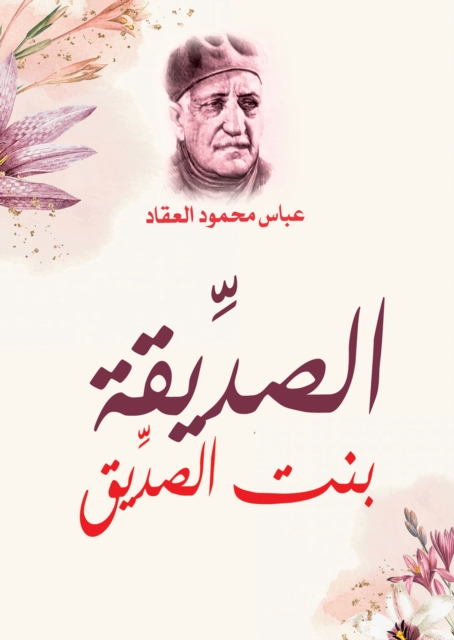
The woman for whom a compendium of guidance on the morals of a nation of nations has a significant significance in the history of her people is not overlooked by a researcher entrusted with studying history or the study of literature.
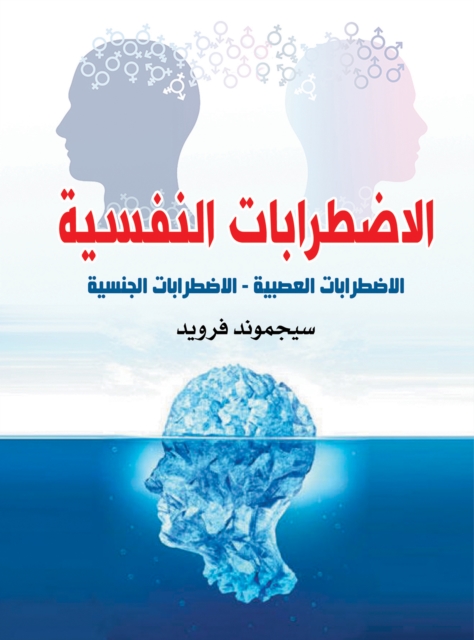
Freud noticed that people with neurological diseases suffer from sexual disorders that are closely related to these psychological disorders, and this also led him to think that the sexual instinct is the cause of all psychological crises, so he began to attribute every nervous or psychological emotion to the sexual instinct.
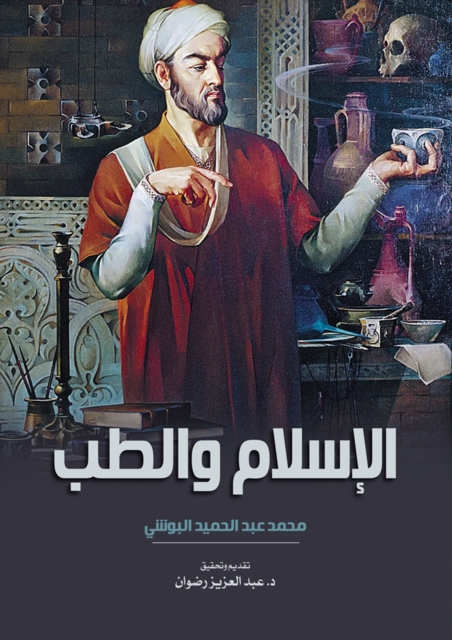
One of the principles on which Islamic civilization was founded is that it combined the needs of the body with the needs of the soul, and considered taking care of the body and its demands as necessary to achieve human happiness.
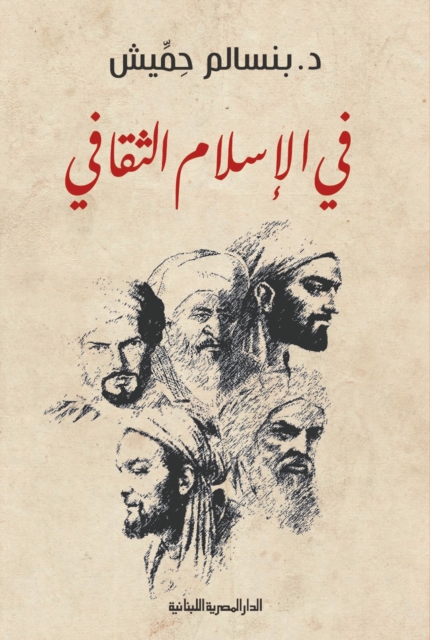
What is the regulating thread between a sample of great figures (Abu Hanifa, Al-Tawhidi, Ibn Battuta, Ibn Rushd, Ibn Khaldun) who are united by the bonds of the Arabic language as a language of thought, culture and expression, and separated - in addition to their times - by the companions of their interests (jurisprudence, philosophical literature, travel, interpreted philosophy) The interpreter, theorized history), even though three of them also practiced the Maliki judiciary plan?
Running through the articles in this volume is the theme of the appropriation and subsequent naturalization of Greek science by scholars in the world of medieval Islam.
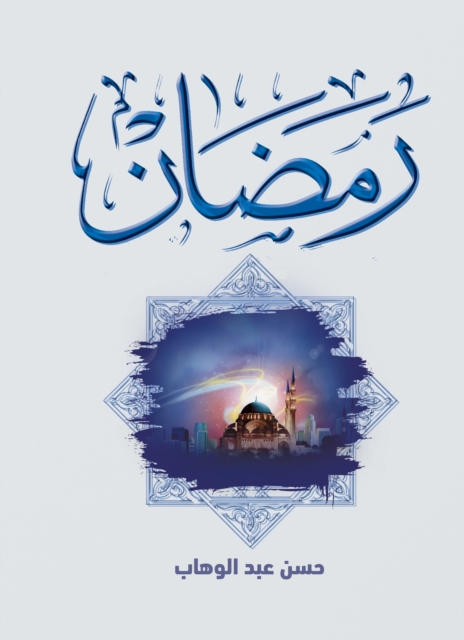
Muslims in all countries concerned themselves with the month of Ramadan, surrounded it with various types of honor, commemorated it with various forms of worship, and lavished goodness on the poor and needy.
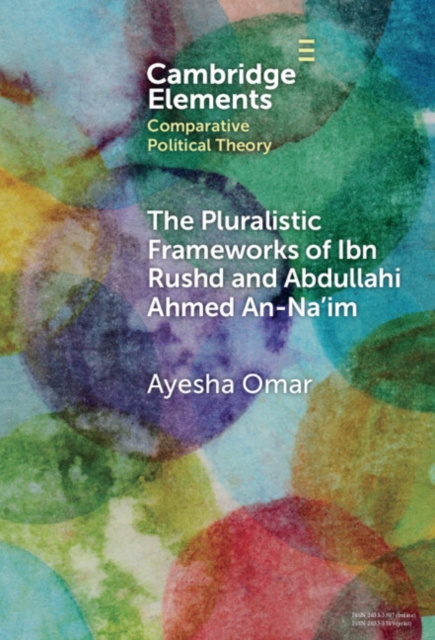
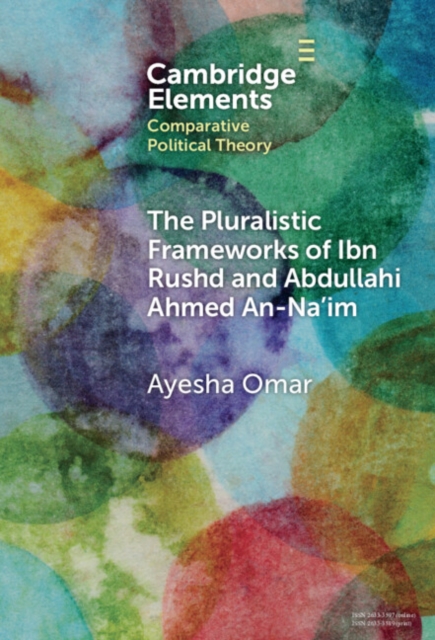
By exploring the influence of the Andalusian philosopher, Averroes or Ibn Rushd (1126-1198 AD) on European philosophy from the 13th to the 18th century, Koert Debeuf sheds light on a neglected side of the history of philosophy: the influence of Arabic thought on European philosophy.
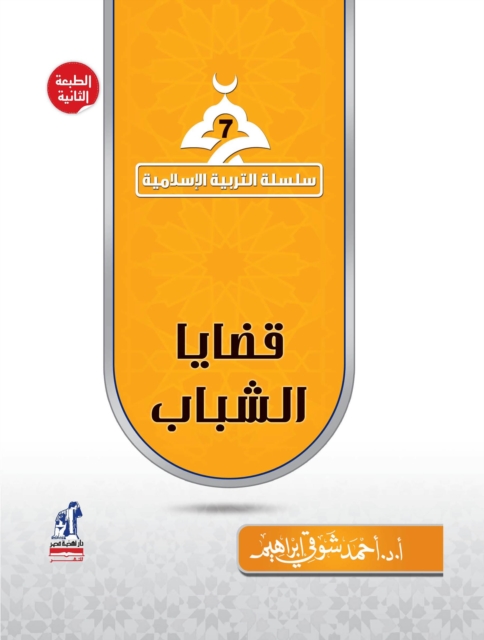
In a simple language, the author discusses young people in boldness, touches their reality, and reviews many of their issues, such as marriage and its latest shouts, youth and fashion, reflection, love, drugs, chat and other hot issues.
In the East, our women still live behind the curtains, and their supporters among us see in her upbringing and teaching life sciences the only factor in improving her life, and performing her duties at home and in the family in full, thus giving birth to men and women for us.
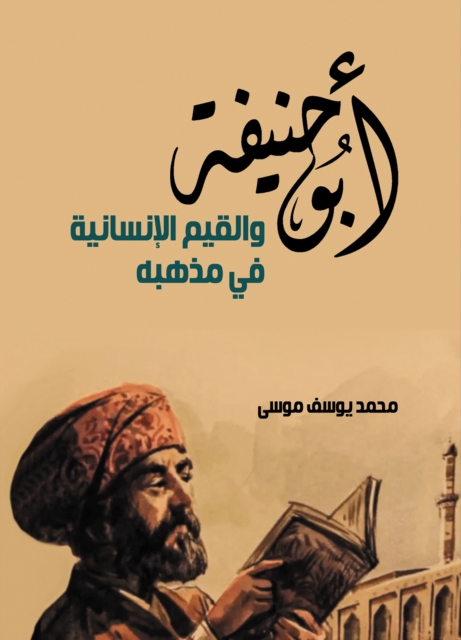
Abu Hanifa lived the greater part of his academic life under the Umayyad state, and the other half he lived under the Abbasid state, and thus he witnessed the events that took place in each of these two eras.
These are letters in which their author described an era of Islam, in which the light of knowledge shone, and in which great deeds were carried out, carried out by great men who filled the world with traces of their beauty.
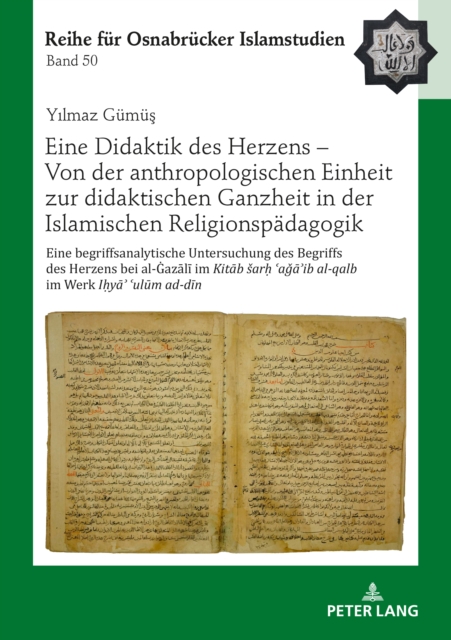
Imam Abu Hamid Al-Ghazali defines the advantages and objectives of marriage in four aspects, the first of which is the child, as it is the principle for which marriage was legalized; To keep the type; So that the world will not be devoid of the human race, and the second of them is to comfort and soothe the soul by sitting, looking, and playing with it.
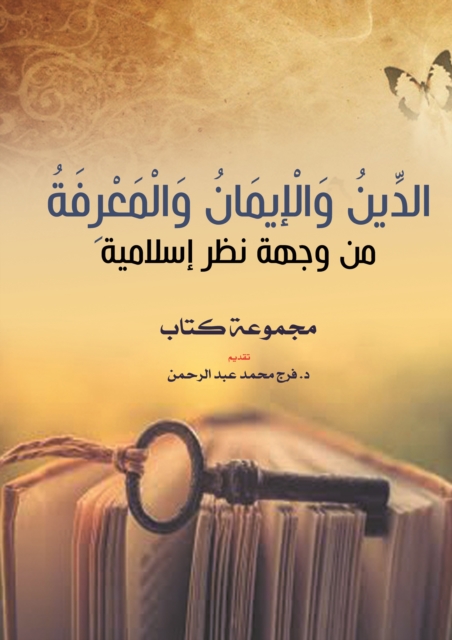
This book contains three valuable research papers between its covers, and the truth is that there is a deep connection that connects the three books like the beads of a rosary.
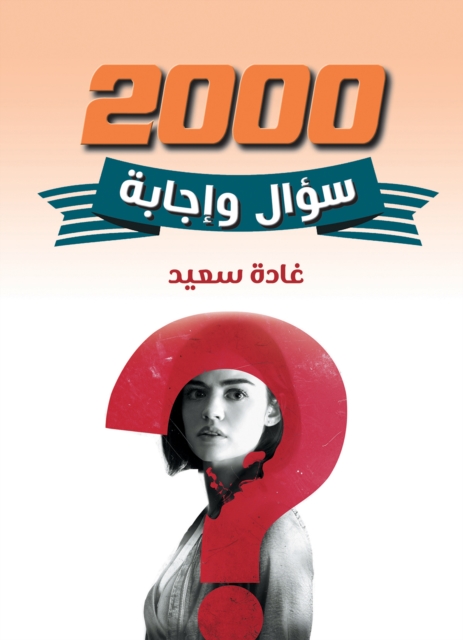
This book includes a variety of questions and answers, of interest to every seeker of knowledge in all historical, geographical, scientific, astronomical, Qur'anic, mathematical, linguistic, and cultural fields.
By exploring the influence of the Andalusian philosopher, Averroes or Ibn Rushd (1126-1198 AD) on European philosophy from the 13th to the 18th century, Koert Debeuf sheds light on a neglected side of the history of philosophy: the influence of Arabic thought on European philosophy.