This book presents a new interpretation of the principle of utility in moral and political theory based on the writings of the classical utilitarians from Hume to J.
This book presents a new interpretation of the principle of utility in moral and political theory based on the writings of the classical utilitarians from Hume to J.
Classical Modern Philosophy introduces students to the key philosophers of the seventeenth and eighteenth centuries, and explores their most important works.
Classical Modern Philosophy introduces students to the key philosophers of the seventeenth and eighteenth centuries, and explores their most important works.
Timothy O'Hagan investigates Jean-Jacques Rousseau's writings concerning the formation of humanity, of the individual and of the citizen in his three master works: the Discourse on the Origin of Inequality among Men, Emile and the Social Contract.
Timothy O'Hagan investigates Jean-Jacques Rousseau's writings concerning the formation of humanity, of the individual and of the citizen in his three master works: the Discourse on the Origin of Inequality among Men, Emile and the Social Contract.
Material Falsity and Error in Descartes's Meditations approaches Descartes's Meditations as an intellectual journey, wherein Descartes's views develop and change as he makes new discoveries about self, God and matter.
Material Falsity and Error in Descartes's Meditations approaches Descartes's Meditations as an intellectual journey, wherein Descartes's views develop and change as he makes new discoveries about self, God and matter.
Presenting the most comprehensive and lucid account of the topic currently available, Robert Audi's "e;Practical Reasoning and Ethical Decision"e; is essential reading for anyone interested in the role of reason in ethics or the nature of human action.
Presenting the most comprehensive and lucid account of the topic currently available, Robert Audi's "e;Practical Reasoning and Ethical Decision"e; is essential reading for anyone interested in the role of reason in ethics or the nature of human action.
This collection of 28 original essays examines the diverse scope of John Locke s contributions as a celebrated philosopher, empiricist, and father of modern political theory.
This collection of 28 original essays examines the diverse scope of John Locke s contributions as a celebrated philosopher, empiricist, and father of modern political theory.
In a focused assessment of one of the founding members of the liberal tradition in philosophy and a self-proclaimed Under-Labourer working to support the scientific revolution of the seventeenth century, the author maps the full range of John Locke s highly influential ideas, which even today remain at the heart of debates about the nature of reality and our knowledge of it, as well as our moral and political rights and duties.
In a focused assessment of one of the founding members of the liberal tradition in philosophy and a self-proclaimed Under-Labourer working to support the scientific revolution of the seventeenth century, the author maps the full range of John Locke s highly influential ideas, which even today remain at the heart of debates about the nature of reality and our knowledge of it, as well as our moral and political rights and duties.
Comprehensive and incisive, with three new chapters, this updated edition sees world-renowned scholars explore a rich and complex philosophical movement.
Comprehensive and incisive, with three new chapters, this updated edition sees world-renowned scholars explore a rich and complex philosophical movement.
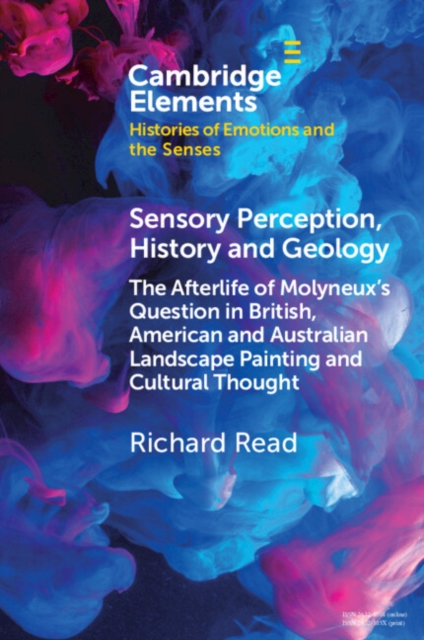
How Molyneux''s Question shaped the conflict between empiricism and idealism in nineteenth-century British, American and Australian landscape painting and criticism.
How Molyneux''s Question shaped the conflict between empiricism and idealism in nineteenth-century British, American and Australian landscape painting and criticism.
This book offers new perspectives on the theoretical elements of the Opus postumum (OP), Kant's project of a final work which remained unknown until eighty years after his death.
This book offers new perspectives on the theoretical elements of the Opus postumum (OP), Kant's project of a final work which remained unknown until eighty years after his death.