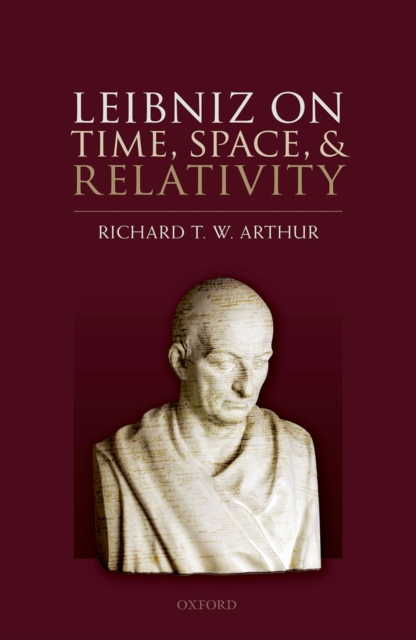
In this book, Arthur gives fresh interpretations of Gottfried Leibniz's theories of time, space, and the relativity of motion, based on a thorough examination of Leibniz's manuscripts as well as his published papers.
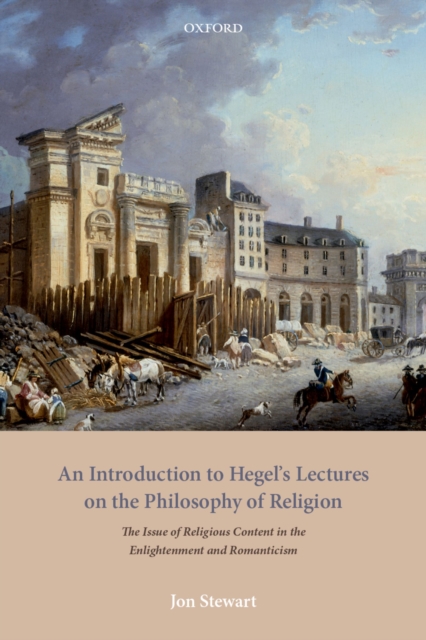
An Introduction to Hegel's Lectures on the Philosophy of Religion examines Hegel's religious thinking by seeing it against the backdrop of the main religious trends in his own day, specifically the Enlightenment and Romanticism.
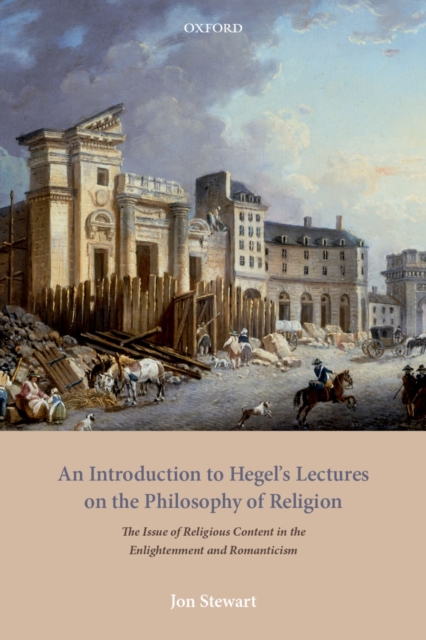
An Introduction to Hegel's Lectures on the Philosophy of Religion examines Hegel's religious thinking by seeing it against the backdrop of the main religious trends in his own day, specifically the Enlightenment and Romanticism.
The Quakers were by far the most successful of the radical religious groups to emerge from the turbulence of the mid-seventeenth century--and their survival into the present day was largely facilitated by the transformation of the movement during its first fifty years.
The Quakers were by far the most successful of the radical religious groups to emerge from the turbulence of the mid-seventeenth century--and their survival into the present day was largely facilitated by the transformation of the movement during its first fifty years.
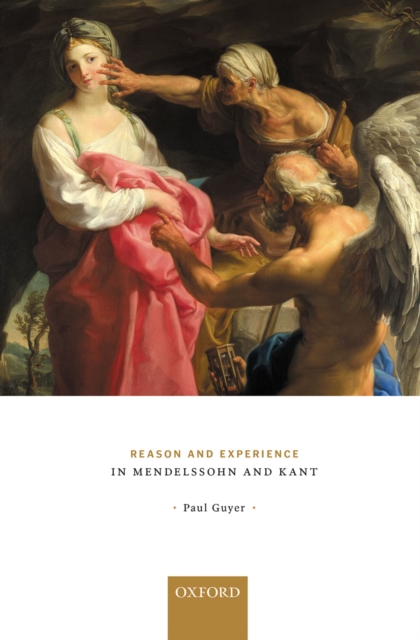
Reason and Experience in Mendelssohn and Kant provides the first in-depth examination of the lifelong intellectual relationship between two of the greatest figures of the European Enlightenment, Immanuel Kant (1724-1804) and Moses Mendelssohn (1729-1786).
Reason and Experience in Mendelssohn and Kant provides the first in-depth examination of the lifelong intellectual relationship between two of the greatest figures of the European Enlightenment, Immanuel Kant (1724-1804) and Moses Mendelssohn (1729-1786).
The seventeenth and eighteenth centuries represent a period of remarkable intellectual vitality in British philosophy, as figures such as Hobbes, Locke, Hume, and Smith attempted to explain the origins and sustaining mechanisms of civil society.
The seventeenth and eighteenth centuries represent a period of remarkable intellectual vitality in British philosophy, as figures such as Hobbes, Locke, Hume, and Smith attempted to explain the origins and sustaining mechanisms of civil society.
Humility, Pride, and Christian Virtue Theory proposes an account of humility that relies on the most radical Christian sayings about humility, especially those found in Augustine and the early monastic tradition.
Humility, Pride, and Christian Virtue Theory proposes an account of humility that relies on the most radical Christian sayings about humility, especially those found in Augustine and the early monastic tradition.
Our understanding of human rationality has changed significantly since the beginning of the century, with growing emphasis being placed on multiple rationalities, each adapted to the specific tasks of communities of practice.
Our understanding of human rationality has changed significantly since the beginning of the century, with growing emphasis being placed on multiple rationalities, each adapted to the specific tasks of communities of practice.
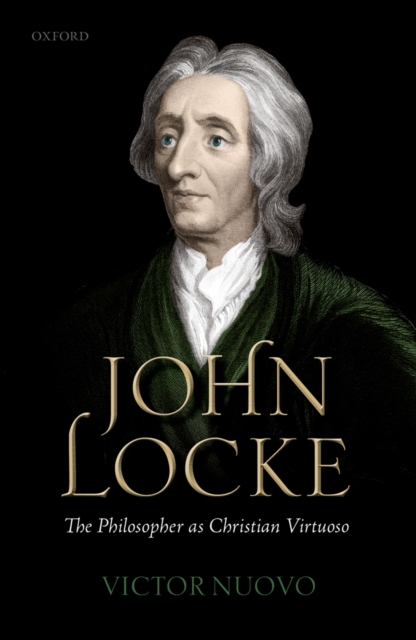
This volume presents twelve original essays, by an international team of scholars, on the relation of John Locke's thought to Descartes and to Cartesian philosophers such as Malebranche, Clauberg, and the Port-Royal authors.
This volume presents twelve original essays, by an international team of scholars, on the relation of John Locke's thought to Descartes and to Cartesian philosophers such as Malebranche, Clauberg, and the Port-Royal authors.
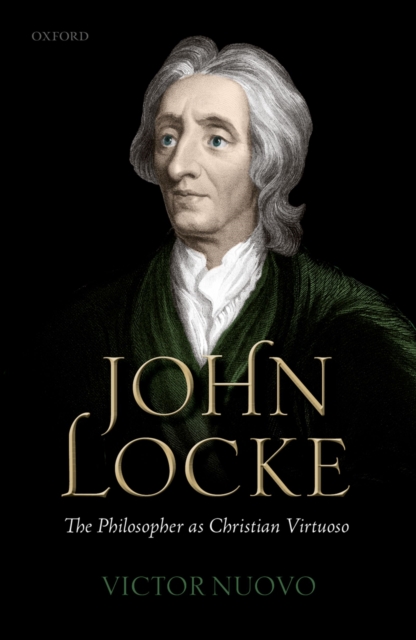
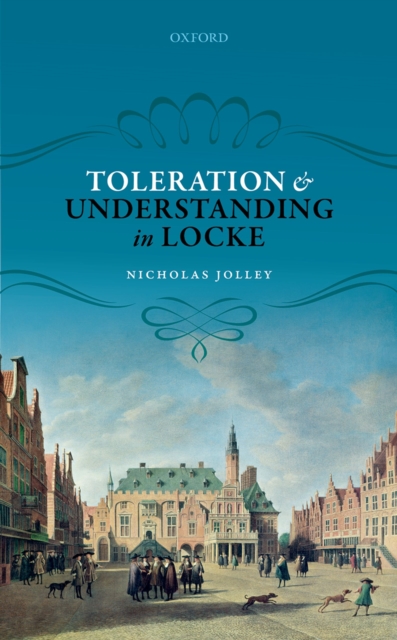
Despite recent advances in Locke scholarship, philosophers and political theorists have paid little attention to the relations among his three greatest works: An Essay Concerning Human Understanding, Two Treatises of Government, and Epistola de Tolerantia.
Despite recent advances in Locke scholarship, philosophers and political theorists have paid little attention to the relations among his three greatest works: An Essay Concerning Human Understanding, Two Treatises of Government, and Epistola de Tolerantia.
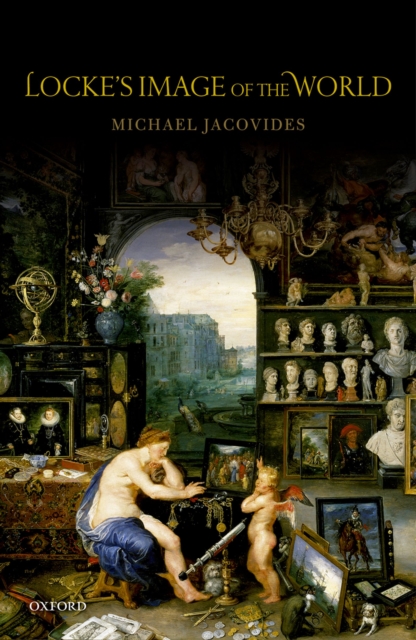
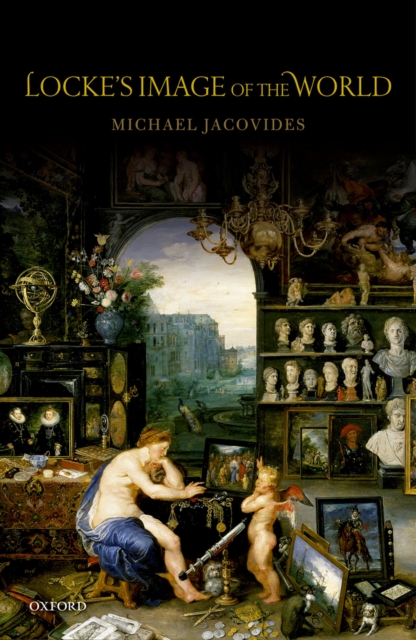
Modern philosophy originates during the scientific revolution, and Michael Jacovides provides an engaging account of how this scientific background influences one of the foremost figures of early modern philosophy, John Locke.
Modern philosophy originates during the scientific revolution, and Michael Jacovides provides an engaging account of how this scientific background influences one of the foremost figures of early modern philosophy, John Locke.
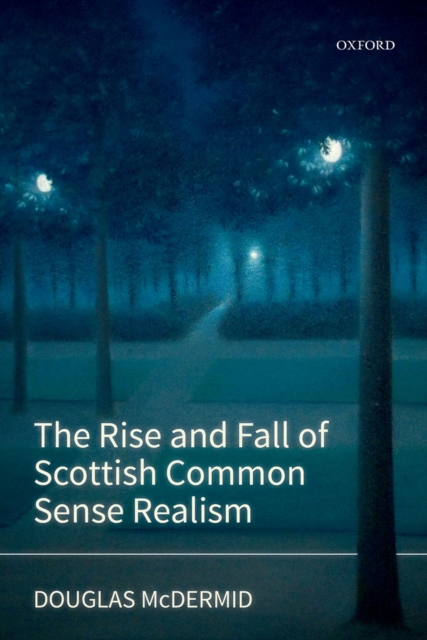
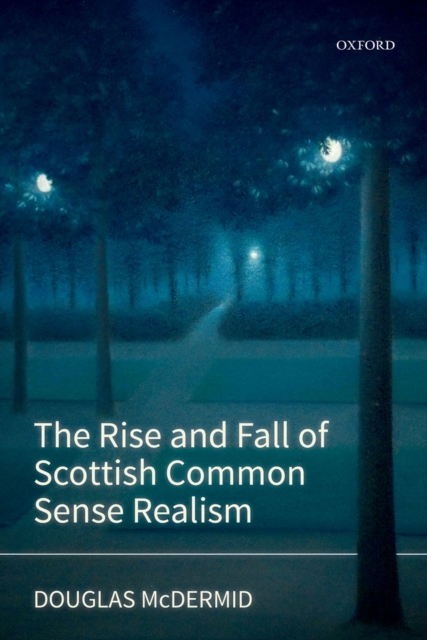
The Rise and Fall of Scottish Common Sense Realism examines the ways in which five Scottish philosophers - Lord Kames (1696-1782), Thomas Reid (1710-1796), Dugald Stewart (1753-1828), Sir William Hamilton (1788-1856), and James Frederick Ferrier (1808-1864) - tackled a problem which has haunted Western philosophy ever since Descartes: that of determining whether any form of perceptual realism is defensible, or whether the very idea of a material world existing independently of perception and thought is more trouble than it is worth.
The Rise and Fall of Scottish Common Sense Realism examines the ways in which five Scottish philosophers - Lord Kames (1696-1782), Thomas Reid (1710-1796), Dugald Stewart (1753-1828), Sir William Hamilton (1788-1856), and James Frederick Ferrier (1808-1864) - tackled a problem which has haunted Western philosophy ever since Descartes: that of determining whether any form of perceptual realism is defensible, or whether the very idea of a material world existing independently of perception and thought is more trouble than it is worth.
A foundational moment in the history of modern European thought, the Enlightenment continues to be a reference point for philosophers, scholars and opinion-formers.
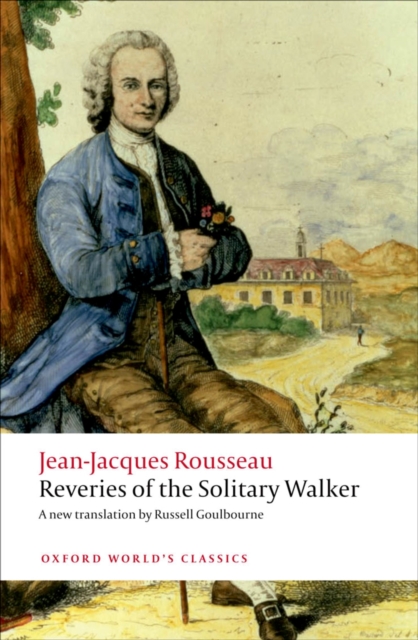
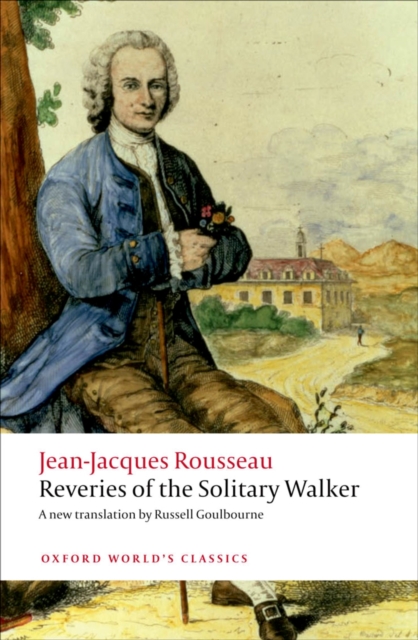
'These hours of solitude and meditation are the only time of the day when I am completely myself' Reveries of the Solitary Walker is Rousseau's last great work, the product of his final years of exile from the society that condemned his political and religious views.
'What can you say to a man who tells you he prefers obeying God rather than men, and that as a result he's certain he'll go to heaven if he cuts your throat?
'These hours of solitude and meditation are the only time of the day when I am completely myself' Reveries of the Solitary Walker is Rousseau's last great work, the product of his final years of exile from the society that condemned his political and religious views.
'What can you say to a man who tells you he prefers obeying God rather than men, and that as a result he's certain he'll go to heaven if he cuts your throat?
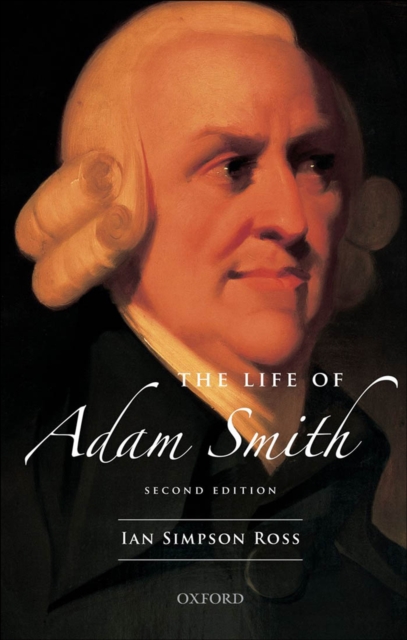
This new edition of The Life of Adam Smith remains the only book to give a full account of Smith's life whilst also placing his work into the context of his life and times.
This new edition of The Life of Adam Smith remains the only book to give a full account of Smith's life whilst also placing his work into the context of his life and times.
This book is a selective historical and critical study of moral philosophy in the Socratic tradition, with special attention to Aristotelian naturalism.
Before the Enlightenment, and before the imperialism of the later eighteenth century, how did European readers find out about the varied cultures of Asia?
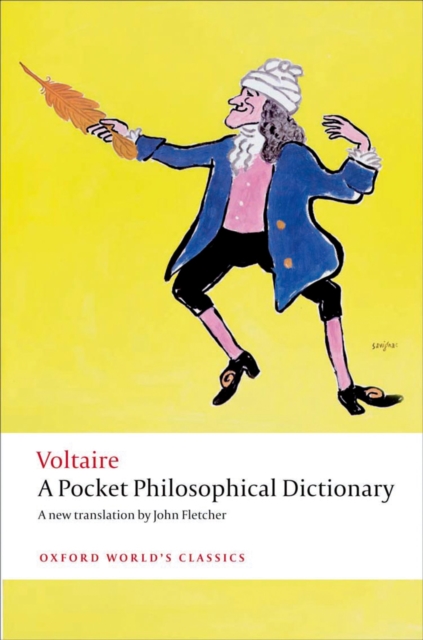
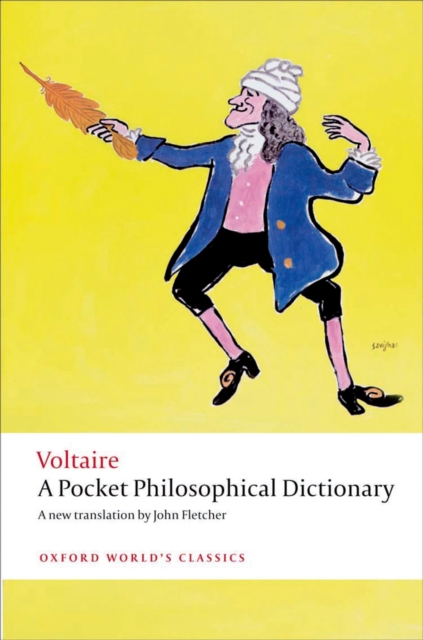
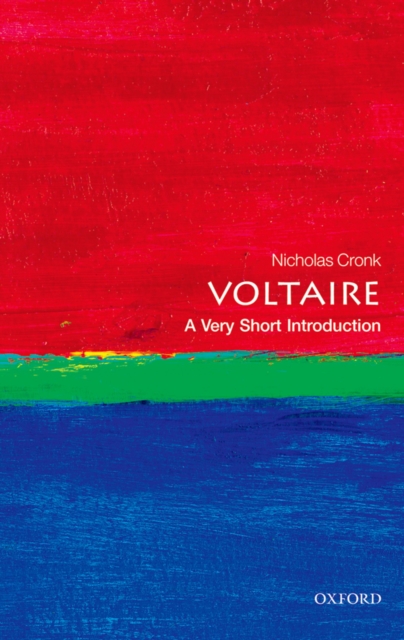
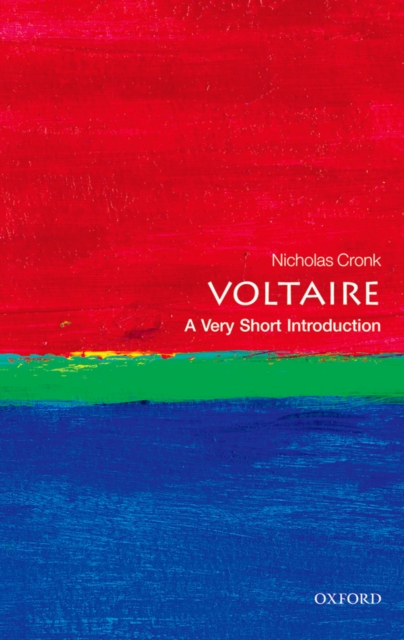
Voltaire (1694-1778), best remembered as the author of Candide, is one of the central actors -- arguably the defining personality -- of the European Enlightenment.
Voltaire (1694-1778), best remembered as the author of Candide, is one of the central actors -- arguably the defining personality -- of the European Enlightenment.