We have long been taught that the Enlightenment was an attempt to free the world from the clutches of Christian civilization and make it safe for philosophy.
Offering an original perspective on the central project of Descartes' Meditations, this book argues that Descartes' free will theodicy is crucial to his refutation of skepticism.
Kant's discussion of the relations between cognition and self-consciousness lie at the heart of the Critique of Pure Reason, in the celebrated transcendental deduction.
This book defends a new interpretation of Hegel's theoretical philosophy, according to which Hegel's project in his central Science of Logic has a single organizing focus, provided by taking metaphysics as fundamental to philosophy, rather than any epistemological problem about knowledge or intentionality.
Anik Waldow develops an account of embodied experience that extends from Descartes' conception of the human body as firmly integrated into the causal play of nature, to Kant's understanding of anthropology as a discipline that provides us with guidance in our lives as embodied creatures.
Anik Waldow develops an account of embodied experience that extends from Descartes' conception of the human body as firmly integrated into the causal play of nature, to Kant's understanding of anthropology as a discipline that provides us with guidance in our lives as embodied creatures.
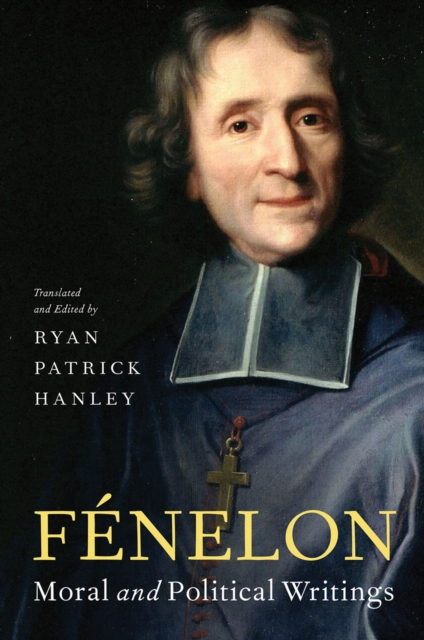
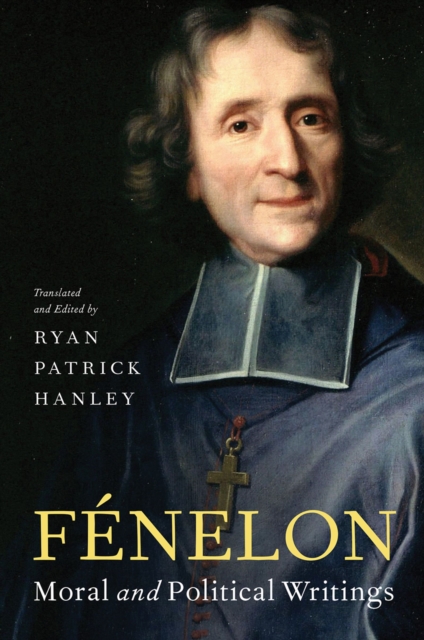
Fenelon was a nuanced and influential diagnostician of the ills of European society, one who carefully analysed phenomena as wide-ranging and complex as egocentrism, authoritarianism, and imperialism.
Fenelon was a nuanced and influential diagnostician of the ills of European society, one who carefully analysed phenomena as wide-ranging and complex as egocentrism, authoritarianism, and imperialism.
A central concern in Hume scholarship is that of the relationship between Hume's early Treatise of Human Nature and his later Enquiry Concerning Human Understanding.
A central concern in Hume scholarship is that of the relationship between Hume's early Treatise of Human Nature and his later Enquiry Concerning Human Understanding.
Immanuel Kant was one of the most influential philosophers in the whole of Europe, who changed Western thought with his examinations of reason and the nature of reality.
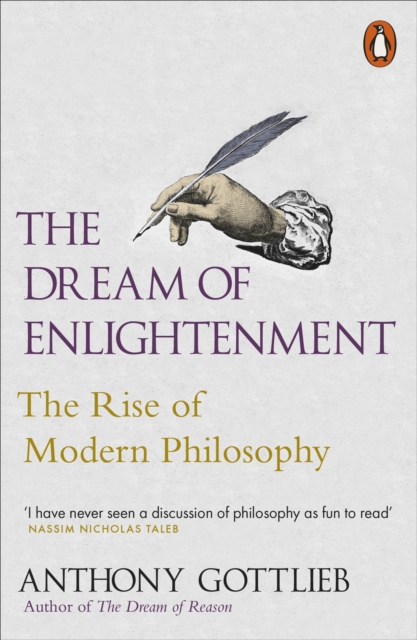
'This is a blast of fresh air' Jonathan Clark, TLS'Thank goodness for Gottlieb' Daily Telegraph'A joy to read' EconomistThe author of the celebrated The Dream of Reason vividly explains the rise of modern thought from Descartes to RousseauIn a short period - from the early 1640s to the eve of the French Revolution - Descartes, Hobbes, Spinoza, Locke, Leibniz, and Hume all made their mark on Western thought.
Armed with the insights of the scientific revolution, the men of the Enlightenment set out to free mankind from its age-old cocoon of pessimism and superstition and establish a more reasonable world of experiment and progress.
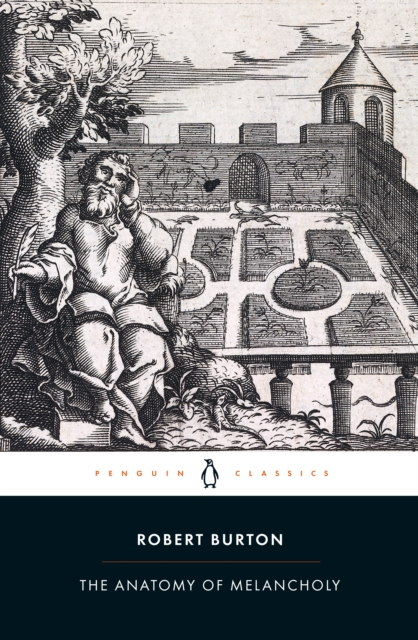
'The best book ever written' Nicholas Lezard, GuardianRobert Burton's labyrinthine, beguiling, playful masterpiece is his attempt to 'anatomize and cut up' every aspect of the condition of melancholy, from which he had suffered throughout his life.
One of the most important works of the Enlightenmentin the first new, unabridged English translation in more than two centuriesPublished in four volumes between 1784 and 1791, Herder's Ideas for the Philosophy of the History of Mankind is one of the most important works of the Enlightenmenta bold, original, and encyclopedic synthesis of, and contribution to, the era's philosophical debates over nature, history, culture, and the very meaning of human experience.
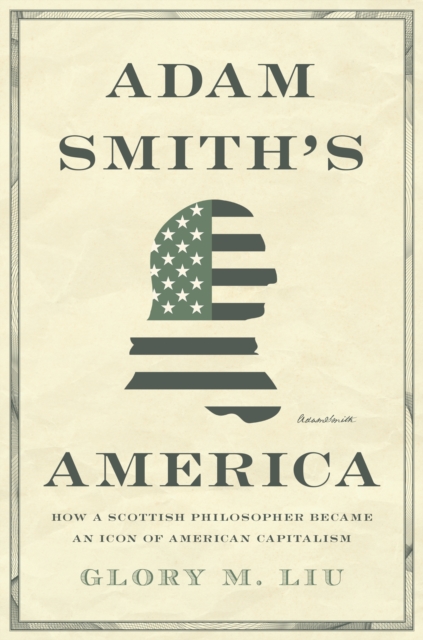
The unlikely story of how Americans canonized Adam Smith as the patron saint of free marketsOriginally published in 1776, Adam Smith's The Wealth of Nations was lauded by America's founders as a landmark work of Enlightenment thinking about national wealth, statecraft, and moral virtue.
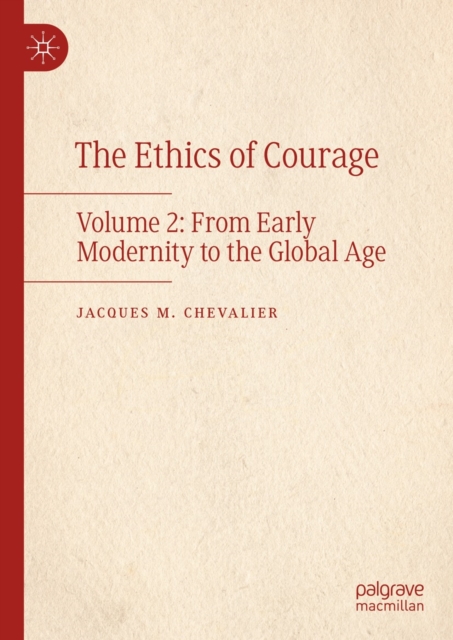
This two-volume work examines far-reaching debates on the concept of courage from Greek antiquity to the Christian and mediaeval periods, as well as the modern era.
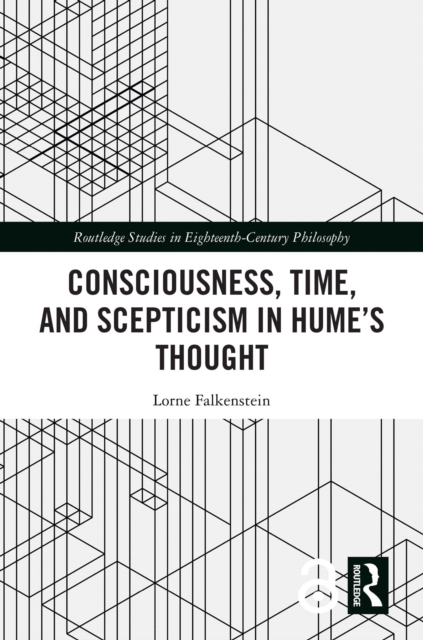
David Humes philosophical work presents the reader with a perplexing mix of constructive accounts of empirically guided belief and destructive sceptical arguments against all belief.
David Humes philosophical work presents the reader with a perplexing mix of constructive accounts of empirically guided belief and destructive sceptical arguments against all belief.
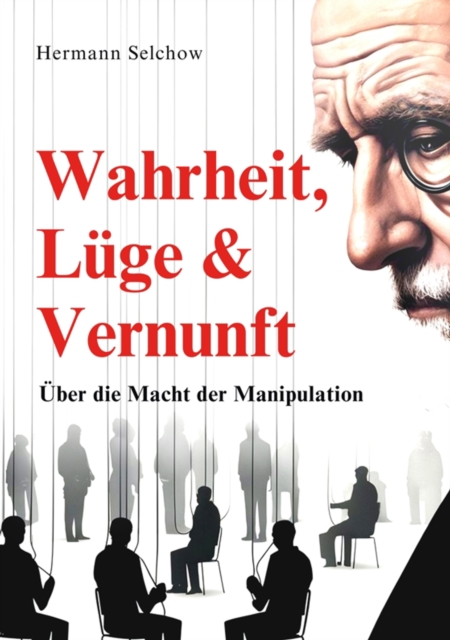
Wahrheit, Lüge & Vernunft - Über die Macht der ManipulationWir alle sind Fakten und Emotionen ausgesetzt und nicht immer sind die Grenze zwischen Wahrheit und Täuschung klartrennbar.
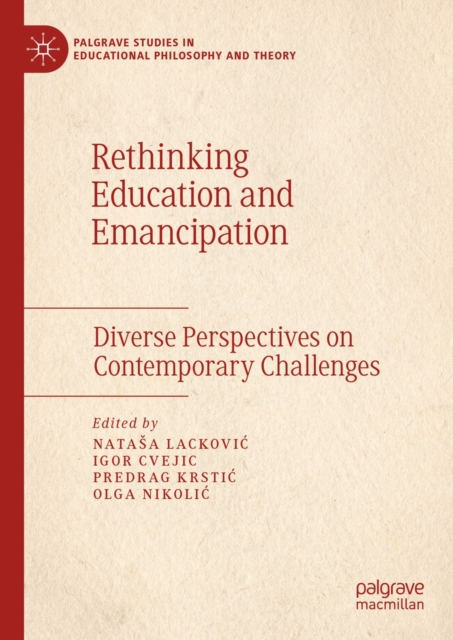
This edited collection responds to the contemporary need for deeper analysis and rethinking of the relation between education and emancipation in a world beset by social, digital, educational and ecological crises.
This edited collection responds to the contemporary need for deeper analysis and rethinking of the relation between education and emancipation in a world beset by social, digital, educational and ecological crises.
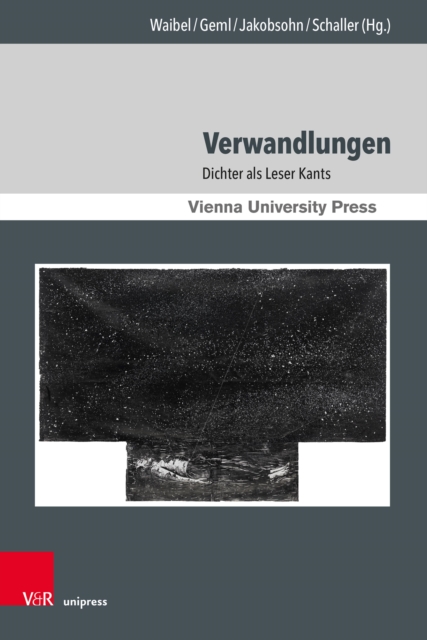
Kant, die Instanz der Aufklärung, der Vernunft, der Rationalität, zieht Schriftstellerinnen und Schriftsteller ebenso an, wie die Trockenheit, Systematizität, Rigorosität seines Denkens und Schreibens Widerstand erzeugen – sei dies zu Recht oder zu Unrecht.
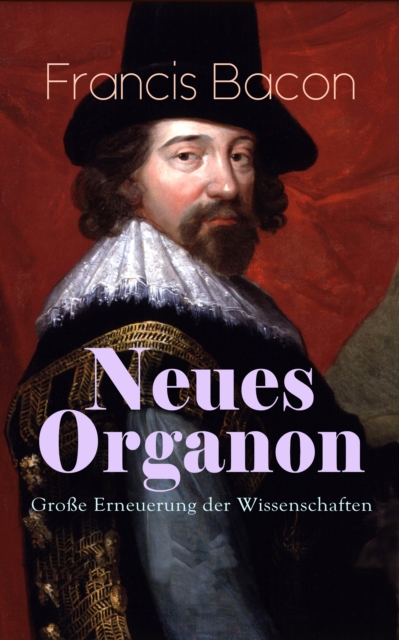
Dieses eBook "Neues Organon - Große Erneuerung der Wissenschaften" ist mit einem detaillierten und dynamischen Inhaltsverzeichnis versehen und wurde sorgfältig Korrektur gelesen.
Das Frage-Buch von Reinhard Brandt beginnt mit einer fulminanten Entdeckung: Die Raum-Zeit-Lehre der Kritik der reinen Vernunft enthält als Subtext einen Gottesbeweis.
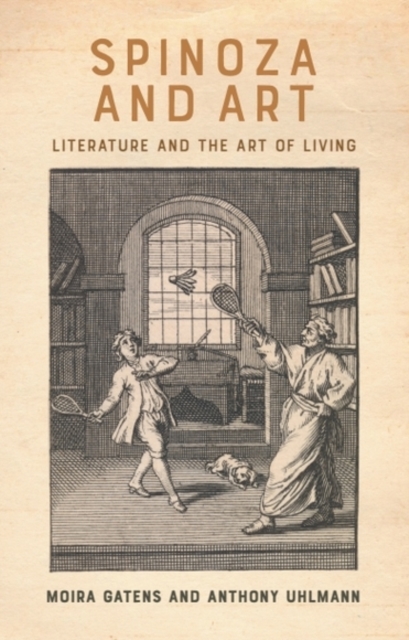
Against the mainstream view, Gatens and Uhlmann argue that Spinoza’s philosophy can significantly contribute to understandings of art, creativity and the central place of the imagination in human wellbeing.
Against the mainstream view, Gatens and Uhlmann argue that Spinoza’s philosophy can significantly contribute to understandings of art, creativity and the central place of the imagination in human wellbeing.