From the author of the #1 New York Times bestseller On Bullshit, a landmark account of Descartes, reason, and truthIn this classic work, philosopher and bestselling author Harry Frankfurt provides a compelling analysis of the question that not only lies at the heart of Descartes's Meditations, but also constitutes the central preoccupation of modern philosophy: on what basis can reason claim to provide any justification for the truth of our beliefs?
More than 50 years after the publication of Thomas Kuhn's seminal book, The Structure of Scientific Revolutions, this volume assesses the adequacy of the Kuhnian model in explaining certain aspects of science, particularly the social and epistemic aspects of science.
In the European Enlightenments it was often argued that moral conduct rather than adherence to certain theological doctrines was the true measure of religious belief.
This book, combining integratively-revised previously-published papers with entirely new chapters, challenges and treats some major problems in Kant's philosophy not by means of new interpretations but by suggesting some variations on Kantian themes.
The seventeenth and eighteenth centuries are arguably the most important period in philosophy's history, given that they set a new and broad foundation for subsequent philosophical thought.
Ernst Cassirers Darstellung der Philosophie der Aufklärung, die er ursprünglich 'Ideengeschichte der Aufklärungszeit' nennen wollte, zählt zu den herausragenden Standardwerken zur Bestimmung der Leitgedanken der Epoche.
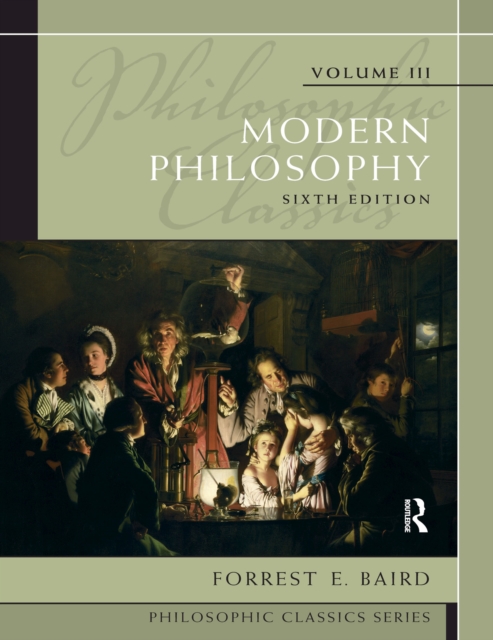
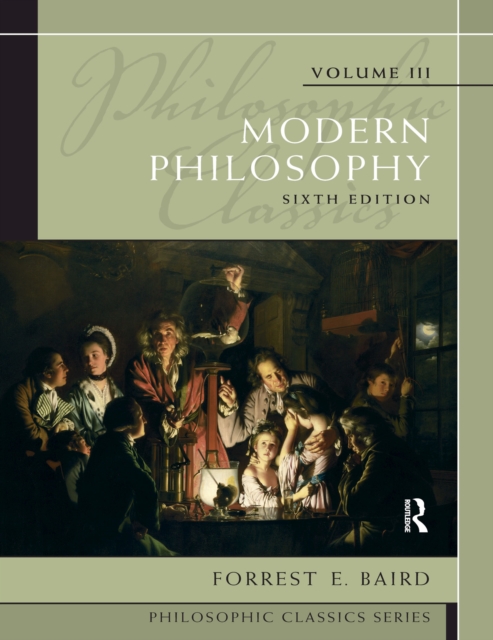
Esteemed for providing the best available translations, Philosophic Classics: Modern Philosophy, features complete works or complete sections of the most important works by the major thinkers, as well as shorter samples from transitional thinkers.
Sustainability has become a compelling topic of domestic and international debate as the world searches for effective solutions to accumulating ecological problems.
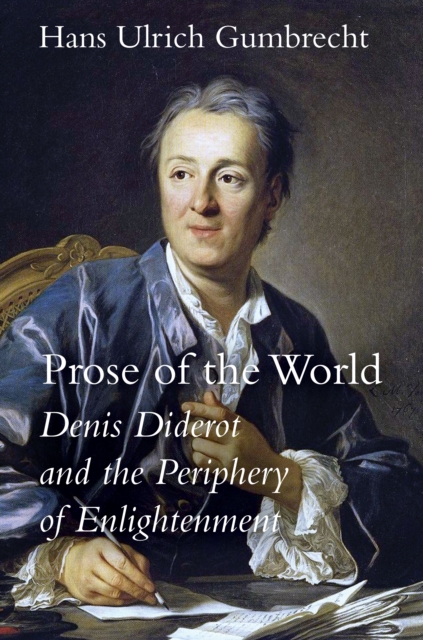
A lively examination of the life and work of one of the great Enlightenment intellectualsPhilosopher, translator, novelist, art critic, and editor of the Encyclopedie, Denis Diderot was one of the liveliest figures of the Enlightenment.
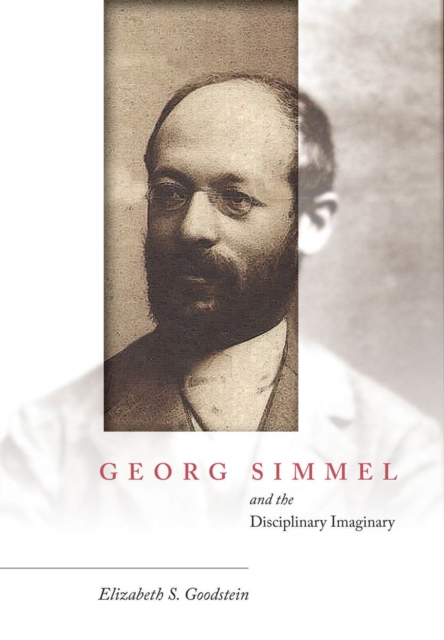
An internationally famous philosopher and best-selling author during his lifetime, Georg Simmel has been marginalized in contemporary intellectual and cultural history.
En "La Era de la Fraternidad", Jorge Úbeda presenta una visión renovada sobre la fraternidad como un pilar esencial para una nueva era de convivencia humana.
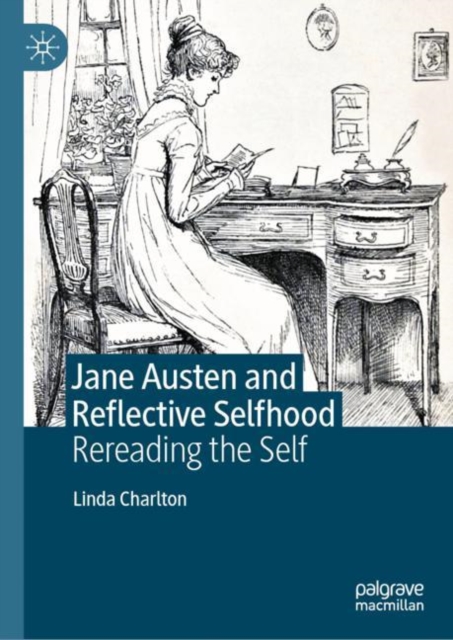
This book makes connections between selfhood, reading practice and moral judgment which propose fresh insights into Austen's narrative style and offer new ways of reading her work.
Esteemed for providing the best available translations, Philosophic Classics: Modern Philosophy, features complete works or complete sections of the most important works by the major thinkers, as well as shorter samples from transitional thinkers.
Keats and Scepticism explores Keats's affinity with the philosophical tradition of scepticism and reads Keats's poetry anew in the light of this affinity.
Keats and Scepticism explores Keats's affinity with the philosophical tradition of scepticism and reads Keats's poetry anew in the light of this affinity.
Between Two Worlds is an authoritative commentary on--and powerful reinterpretation of--the founding work of modern philosophy, Descartes's Meditations.
This book considers Wilfrid Sellars engagement with Kantian philosophya "e;both theoretical and practicala "e;in his exegetical work in reading Kant as well as in his own systematic development of Kantian philosophy.
'Pantheisticon, o fórmula per a celebrar una fraternitat socràtica' (1720), la darrera obra de Toland, és una brillant exposició de la força i la perennitat de la natura, un exercici d'interpretació del pensament clàssic i un irònic pamflet antireligiós en forma de litúrgia paròdica.
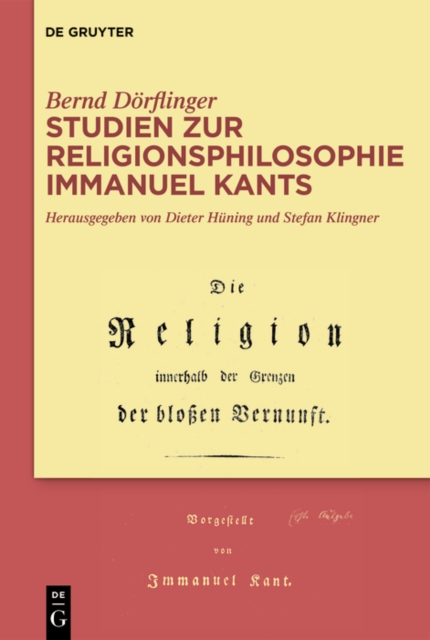
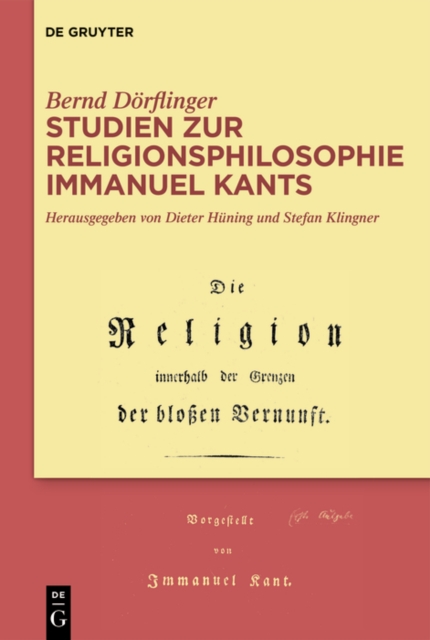
Für Kant spielt die Religion im Hinblick auf die moralische Lebensführung weder in geltungstheoretischer noch in motivationstheoretischer Hinsicht eine wesentliche Rolle.
Für Kant spielt die Religion im Hinblick auf die moralische Lebensführung weder in geltungstheoretischer noch in motivationstheoretischer Hinsicht eine wesentliche Rolle.
Christoph Meiners (1747–1810) zählte zu den wohl ungewöhnlichsten Mitgliedern der Göttinger Universität, der er von 1767 bis 1810 als Student und Professor angehörte.
Die leitende These der Untersuchung lautet, dass der von Berkeley inaugurierte und uneingeschränkt verteidigte Idealismus bei Kant und Schopenhauer eine spannungsreiche Bewegung der Problematisierung und Kritik freisetzt.