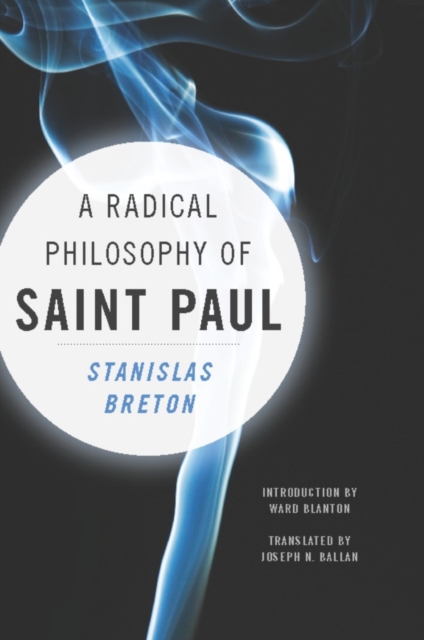
Stanislas Breton's A Radical Philosophy of Saint Paul, which focuses on the political implications of the apostle's writings, was an instrumental text in Continental philosophy's contemporary "e;turn to religion.
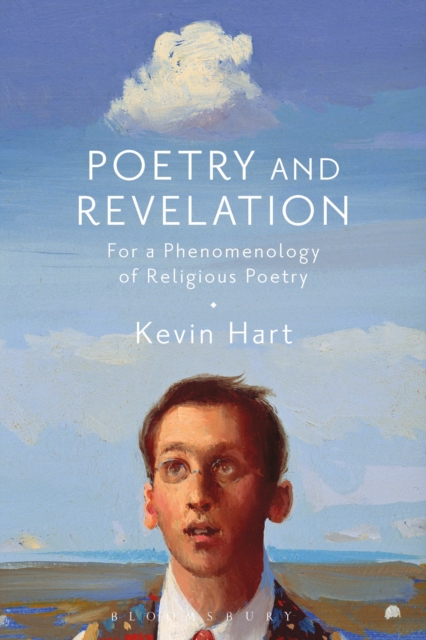
Religious poetry has often been regarded as minor poetry and dismissed in large part because poetry is taken to require direct experience; whereas religious poetry is taken to be based on faith, that is, on second or third hand experience.
Religious poetry has often been regarded as minor poetry and dismissed in large part because poetry is taken to require direct experience; whereas religious poetry is taken to be based on faith, that is, on second or third hand experience.
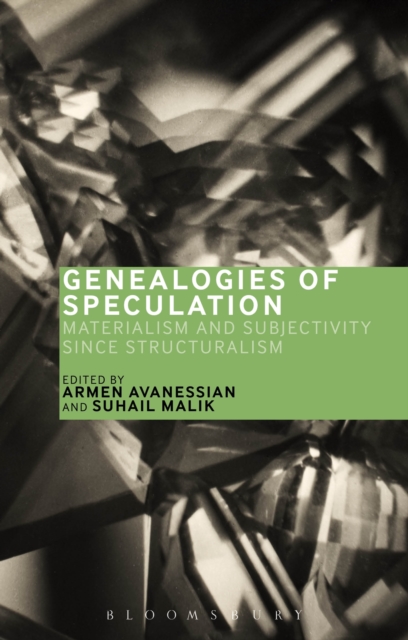
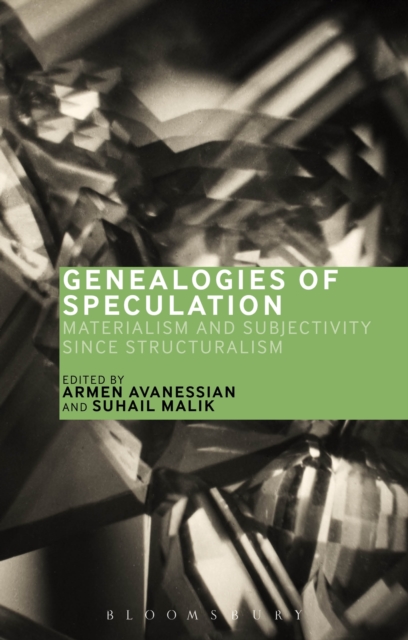
Genealogies of Speculation looks to break the impasse between the innovations of speculative thought and the dominant strands of 20th century anti-foundationalist philosophy.
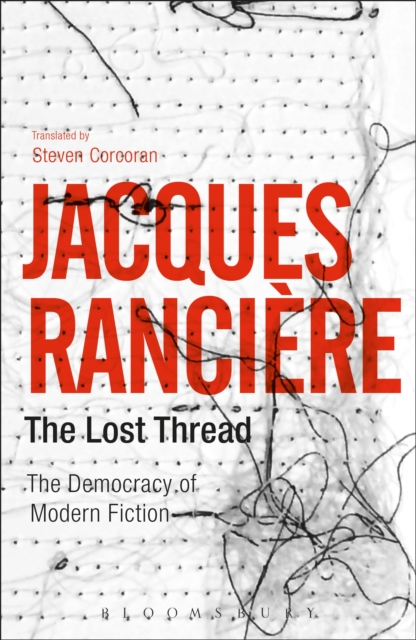
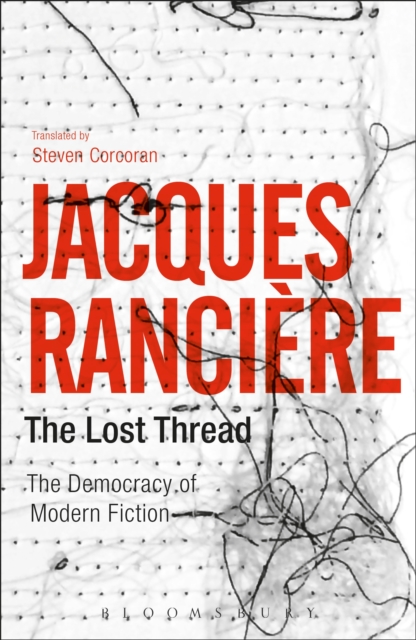
In The Lost Thread, Ranci re debunks the notion of Flaubert, Baudelaire, Conrad, Woolf and Keats as reactionary producers of bourgeois mythologies, and instead foregrounds the egalitarian and democratic impulses of modernist literature.
In The Lost Thread, Ranci re debunks the notion of Flaubert, Baudelaire, Conrad, Woolf and Keats as reactionary producers of bourgeois mythologies, and instead foregrounds the egalitarian and democratic impulses of modernist literature.
By challenging many of the assumptions, misguided presuppositions and even legends that have surrounded the legacy and reception of Franz Kafka's work during the 20th century, Howard Caygill provides us with a radical new way of reading Kafka.
Genealogies of Speculation looks to break the impasse between the innovations of speculative thought and the dominant strands of 20th century anti-foundationalist philosophy.
By challenging many of the assumptions, misguided presuppositions and even legends that have surrounded the legacy and reception of Franz Kafka's work during the 20th century, Howard Caygill provides us with a radical new way of reading Kafka.
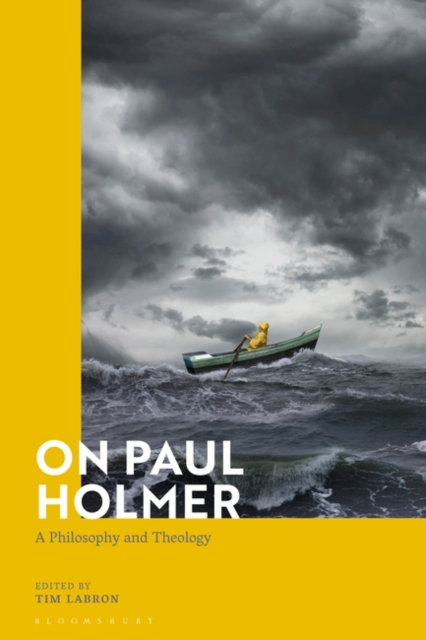
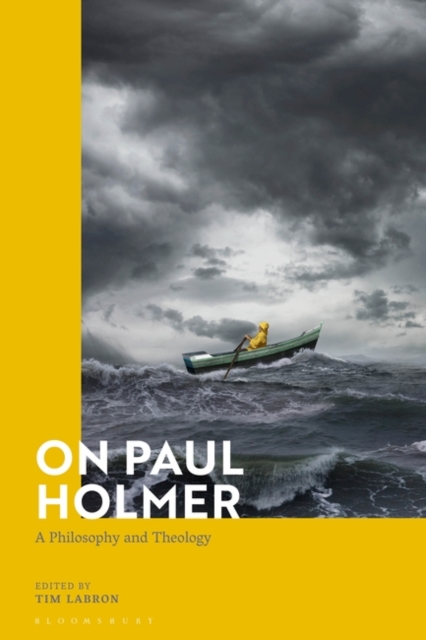
This book provides an in-depth and rigorous examination of key 20th-century American thinker, Paul Holmer; his work in both theology and philosophy; and his under-explored writings on Kierkegaard and Wittgenstein.
This book provides an in-depth and rigorous examination of key 20th-century American thinker, Paul Holmer; his work in both theology and philosophy; and his under-explored writings on Kierkegaard and Wittgenstein.
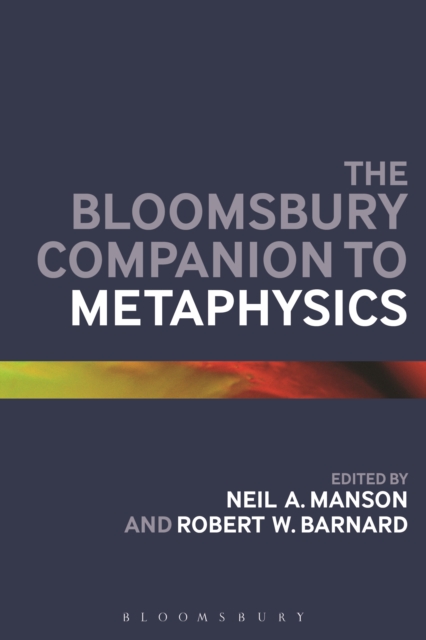
Bridging the gap between the familiar figures of the history of philosophy and the technical approaches favoured by contemporary philosophers, The Bloomsbury Companion to Metaphysics introduces the key ideas and debates needed to understand analytic metaphysics.
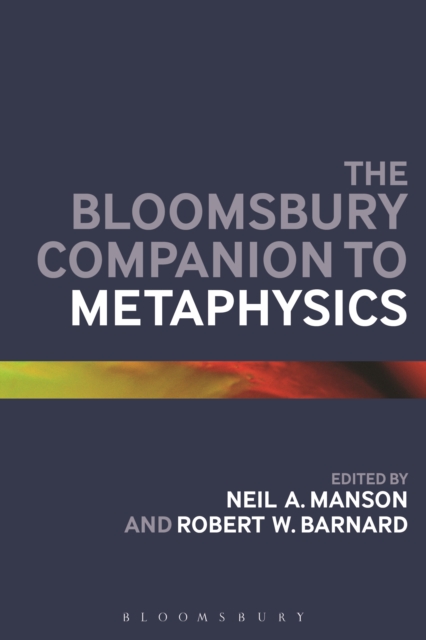
Bridging the gap between the familiar figures of the history of philosophy and the technical approaches favoured by contemporary philosophers, The Bloomsbury Companion to Metaphysics introduces the key ideas and debates needed to understand analytic metaphysics.
The Subject of Rosi Braidotti: Politics and Concepts brings into focus the diverse influence of the work of Rosi Braidotti on academic fields in the humanities and the social sciences such as the study and scholarship in - among others - feminist theory, political theory, continental philosophy, philosophy of science and technology, cultural studies, ethnicity and race studies.
The Subject of Rosi Braidotti: Politics and Concepts brings into focus the diverse influence of the work of Rosi Braidotti on academic fields in the humanities and the social sciences such as the study and scholarship in - among others - feminist theory, political theory, continental philosophy, philosophy of science and technology, cultural studies, ethnicity and race studies.
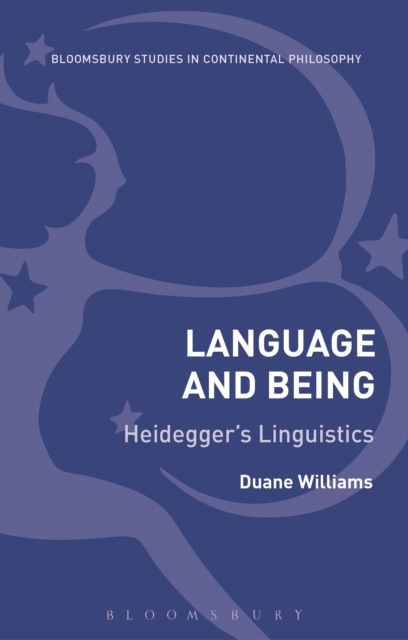
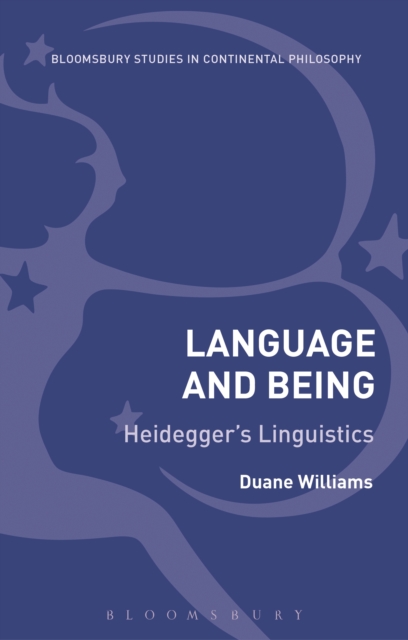
Martin Heidegger's radical and, for that, controversial reflections on language were not simply a passing interest in his thinking, but a fundamental, career-long concern arguably as significant to him as his study of being.
Martin Heidegger's radical and, for that, controversial reflections on language were not simply a passing interest in his thinking, but a fundamental, career-long concern arguably as significant to him as his study of being.
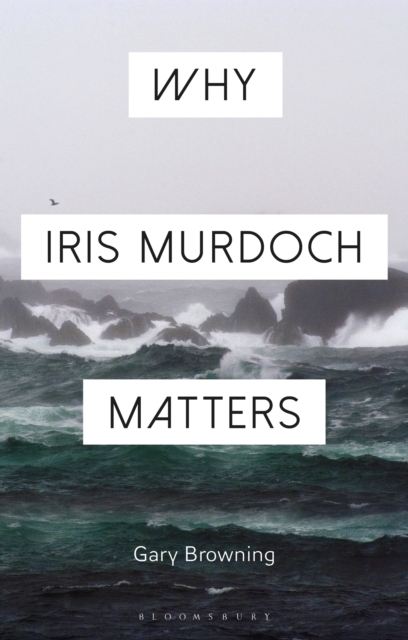
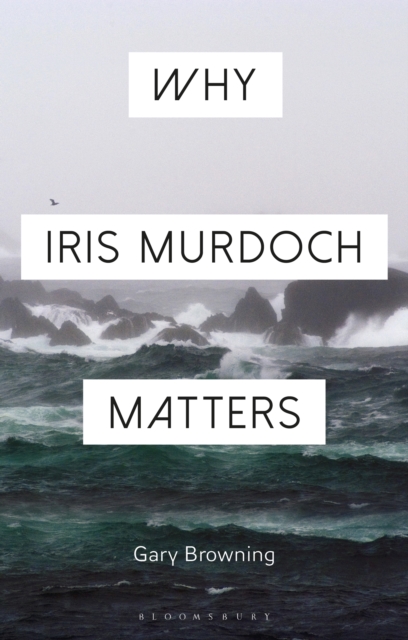
In Why Iris Murdoch Matters Gary Browning draws on as yet unpublished archival material to present an unrivalled overview of Murdoch's work and thought.
In Why Iris Murdoch Matters Gary Browning draws on as yet unpublished archival material to present an unrivalled overview of Murdoch's work and thought.
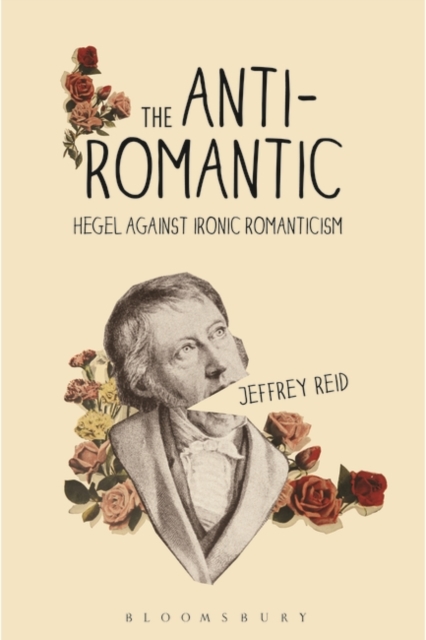
Hegel's critique of Early German Romanticism and its theory of irony resonates to the core of his own philosophy in the same way that Plato's polemics with the Sophists have repercussions that go to the centre of his thought.
Hegel's critique of Early German Romanticism and its theory of irony resonates to the core of his own philosophy in the same way that Plato's polemics with the Sophists have repercussions that go to the centre of his thought.
Jacques Derrida famously stated in Specters of Marx that a justice worthy of the name must call us to render justice not only to the living but also to the dead.
Jacques Derrida famously stated in Specters of Marx that a justice worthy of the name must call us to render justice not only to the living but also to the dead.
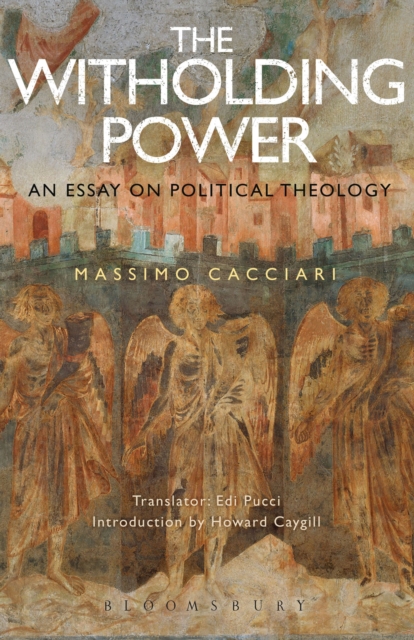
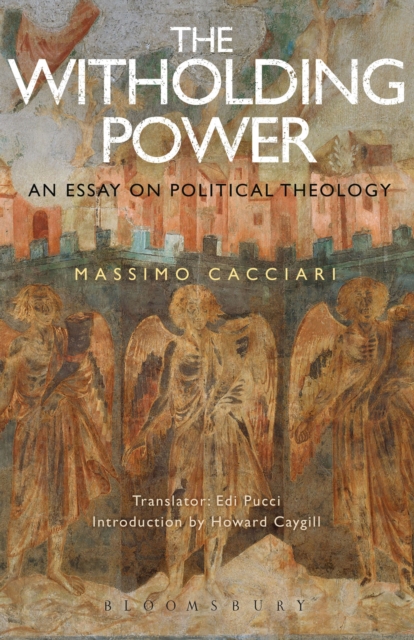
The first English translation of his work, The Withholding Power, offers a fascinating introduction to the thought of Italian philosopher Massimo Cacciari.
The first English translation of his work, The Withholding Power, offers a fascinating introduction to the thought of Italian philosopher Massimo Cacciari.
Maine de Biran's work has had an enormous influence on the development of French Philosophy – Henri Bergson called him the greatest French metaphysician since Descartes and Malebranche, Jules Lachelier referred to him as the French Kant, and Royer-Collard called him simply 'the master of us all' – and yet the philosopher and his work remain unknown to many English speaking readers.
Maine de Biran's work has had an enormous influence on the development of French Philosophy – Henri Bergson called him the greatest French metaphysician since Descartes and Malebranche, Jules Lachelier referred to him as the French Kant, and Royer-Collard called him simply 'the master of us all' – and yet the philosopher and his work remain unknown to many English speaking readers.