George Grant (1918-88) has often been called Canada's greatest political philosopher and his work continues to influence the country's political, social, and cultural discourse and institutions.
In his magnum opus Being in Time (1927), Martin Heidegger (1889-1976) argued that individuals have assumed that their existence is "e;a given,"e; when in actual fact they simply have the ability to be.
Although Being in Time is the more recognizable of Martin Heidegger's many books, his second major work, Contributions to Philosophy (From Enowning) also had a substantial impact on twentieth-century philosophy.
Martin Heidegger's philosophical works devoted themselves to challenging previously held ontological notions of what constitutes "e;being,"e; and much of his work focused on how beings interact within particular spatial locations.
Martin Heidegger's philosophical works devoted themselves to challenging previously held ontological notions of what constitutes "e;being,"e; and much of his work focused on how beings interact within particular spatial locations.
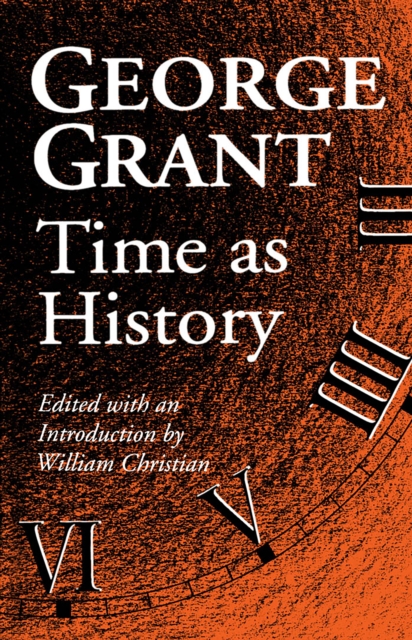
In Time as History, a collection of his 1969 Massey lectures, George Grant reviews the thought of Nietzsche and concludes that the conception of time as history is not one in which it is possible to live a fully human life.
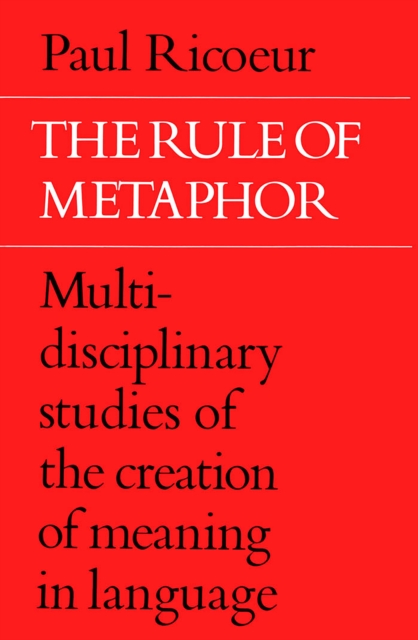
Originally published in English in 1978, this full-scale examination of the philosophy of metaphor from Aristotle to the present, brings together and discusses significant viewpoints on metaphor held by writers in various disciplines.
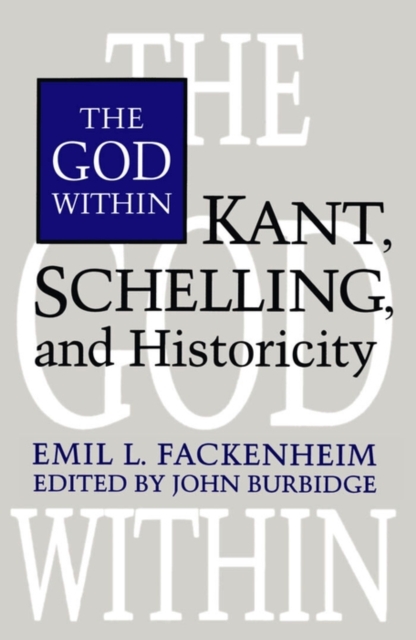
For nineteenth-century thinkers, the central problem of religious consciousness in the modern West was the tension between prevailing concepts of individual autonomy and the traditional Judaeo-Christian claim for divine revelation.
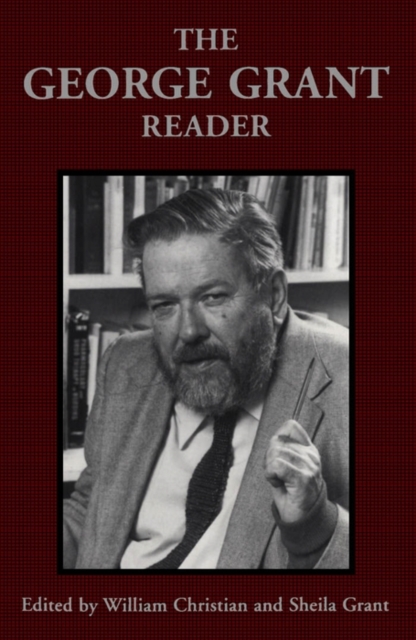
Called the most forceful voice of philosophic radicalism that Canada has so far produced, George Grant was a prolific writer, engaged by subjects ranging from Canadian politics to ancient philosophy.
The period during which Bernard Lonergan delivered the eleven lectures in this volume was one of important transition for him: he was moving rapidly toward a new conception of theology and its method; and he was on the verge of what is now recognized as a major breakthrough in his thought on method, the idea that came to him in February 1965 of the eight functional specialities.
Collected here for the first time, this series of lectures delivered by Lonergan at Boston College in 1957 illustrates a pivotal time in Lonergan's intellectual history, marking both the transition from the faculty psychology still present in his work Insight to intentionality analysis and his initial differentiation of the existential level of consciousness.
Friedrich-Wilhelm von Herrmann is known as a major figure in phenomenological and hermeneutics research: he was Martin Heidegger’s personal assistant for the last ten years of Heidegger’s life, and assistant to Eugen Fink, who in turn was primary assistant to Edmund Husserl.
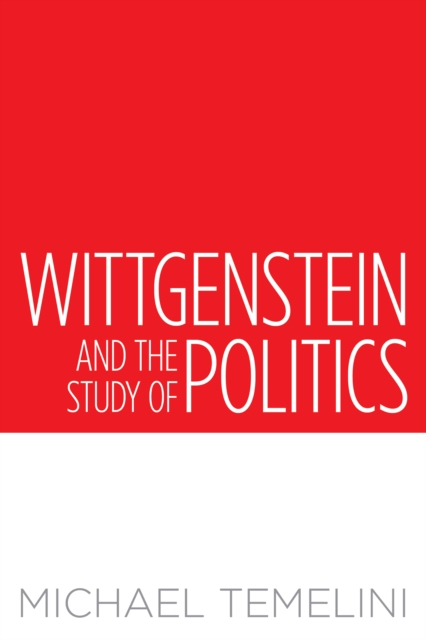
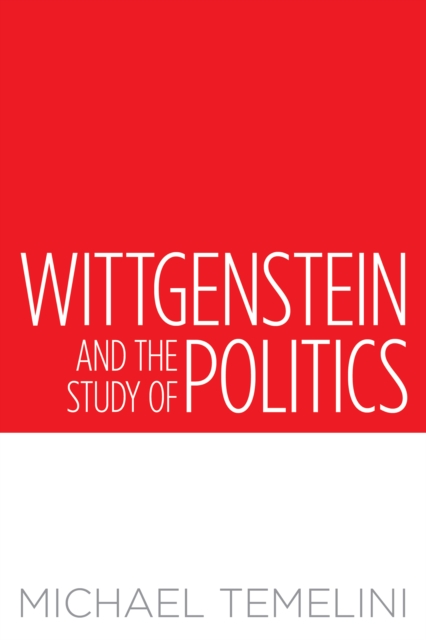
In Wittgenstein and the Study of Politics, Michael Temelini outlines an innovative new approach to understanding the political implications of Wittgenstein’s philosophy.
In Wittgenstein and the Study of Politics, Michael Temelini outlines an innovative new approach to understanding the political implications of Wittgenstein’s philosophy.
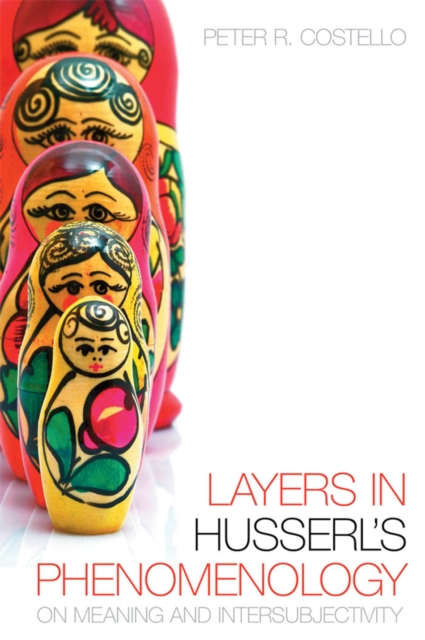
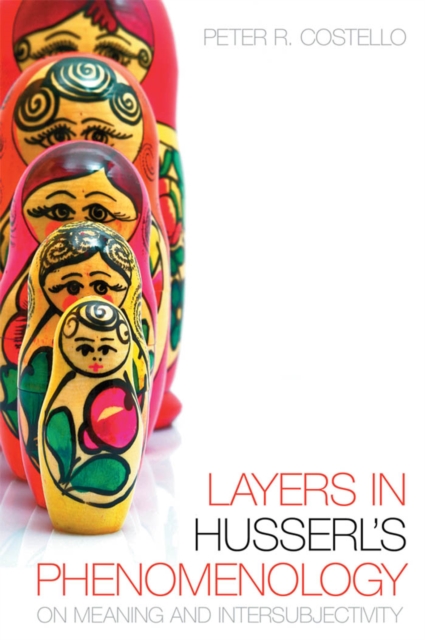
Layers in Husserl's Phenomenology provides close readings and analyses of a number of Husserl's key translated and untranslated works across the entirety of his corpus.
Layers in Husserl's Phenomenology provides close readings and analyses of a number of Husserl's key translated and untranslated works across the entirety of his corpus.
Cognitive science has posed some radical challenges to philosophy in recent years, particularly in the study of the cognitive activities and capacities of individuals.
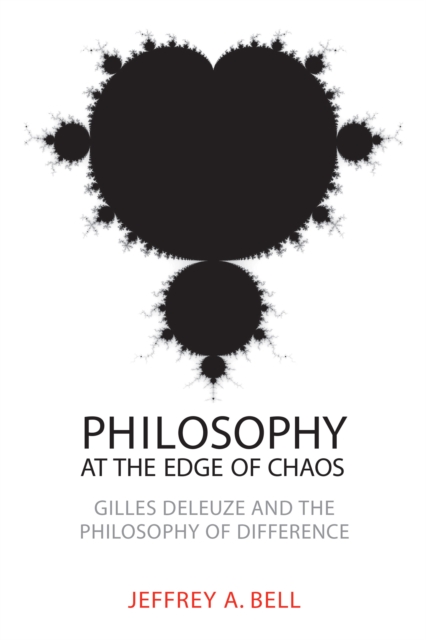
From the early 1960s until his death, French philosopher Gilles Deleuze (1925-1995) wrote many influential works on philosophy, literature, film, and fine art.
An Examination of Sir William Hamilton's Philosophy, first published in 1865, with a second edition in the same year, and third and fourth editions in 1867 and 1872, has long been out of print.
The interests and activities of John Stuart Mill (1806–73) were so wide-ranging that even the varied subjects of thirty previously published volumes of Collected Works cannot encompass them all.
This collection of essays, addresses, and one interview come from the years 1966-73, a period during most of which Bernard Lonergan was at work completing his Method in Theology.
Debates current in the philosophy of mind regarding the gathering and processing of information, and the nature of perception and representation, also animated some of the most important figures in early modern philosophy, among them Descartes, Hume, and Berkeley.
Beginning with Plato and Aristotle, philosophers throughout history have built their theories around the problem of reconciling a fundamental distinction, as for example, Plato's distinction between knowledge (reality) and opinion (appearance), Descarte's mind/body distinction, and Kant's a priori/a posteriori distinction.
James Doull's remarkable legacy as a teacher, scholar, and thinker has left behind a profound and challenging examination of the philosophical and historical roots of contemporary thought and politics.
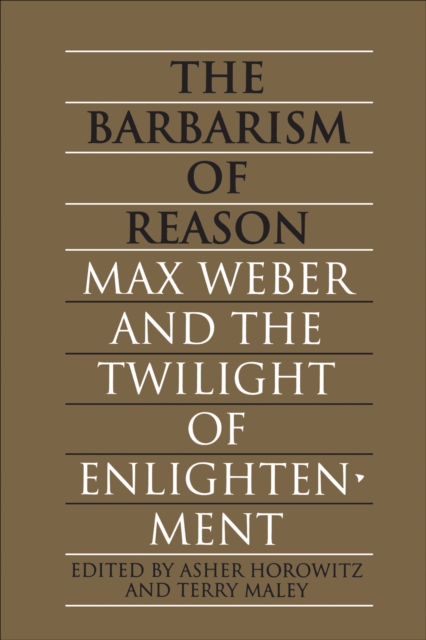
The recent renewal of interest in Max Weber evidences an attempt to enlist his thought in the service of a renewed dream of Enlightenment individualism.
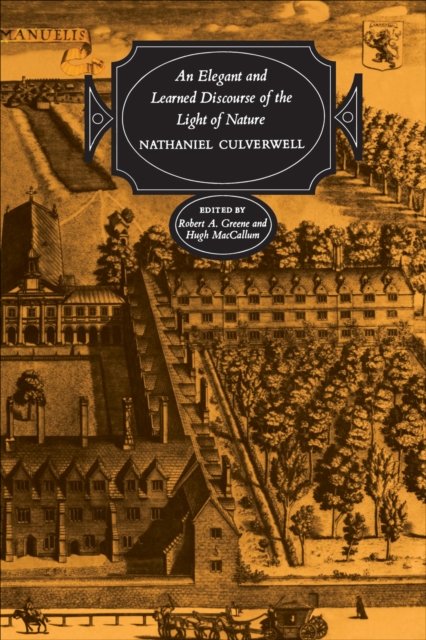
Composed in a period of religious and political upheaval, Culverwell's Discourse of the Light of Nature is an imaginative statement of the teachings of Christian humanism concerning the nature and limits of human reason and the related concepts of natural and divine law.
History ended, according to Hegel according to Kojève, with the establishment and proliferation in Europe of states organized along Napoleonic lines: rational, bureaucratic, homogenous, atheist.
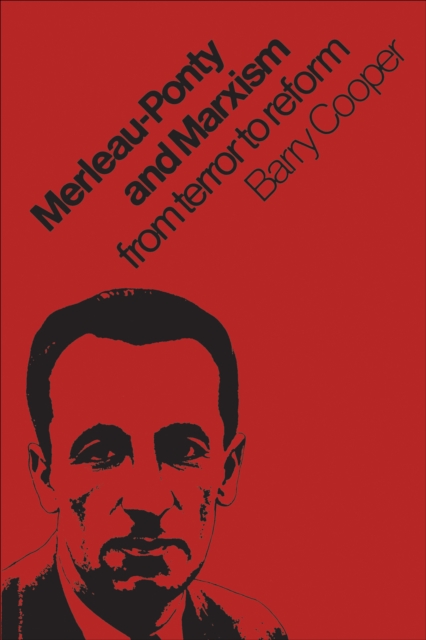
Influenced by Kojève's interpretation of Hegel as well as his direct political experience of the second world war, Maurice Merleau-Ponty abandoned the religious and philosophical position he had assumed in the 1930s and turned to Marxism.
From the early 1960s until his death, French philosopher Gilles Deleuze (1925-1995) wrote many influential works on philosophy, literature, film, and fine art.
This collection of essays, addresses, and one interview come from the years 1966-73, a period during most of which Bernard Lonergan was at work completing his Method in Theology.
In Heidegger’s Way of Being, the follow-up to his 2010 book, Engaging Heidegger, Richard Capobianco makes the case clearly and compellingly that the core matter of Heidegger’s lifetime of thought was Being as the temporal emergence of all beings and things.
In Heidegger’s Way of Being, the follow-up to his 2010 book, Engaging Heidegger, Richard Capobianco makes the case clearly and compellingly that the core matter of Heidegger’s lifetime of thought was Being as the temporal emergence of all beings and things.
As an introduction to his own notoriously complex and challenging philosophy, Hegel recommended the sections on phenomenology and psychology from The Philosophy of Spirit, the third part of his Encyclopaedia of the Philosophic Sciences.