Technology has extended its reach to the human body, not just in a literal sense, through implants, transplants and technological substitutes for biological organs, but in a more figurative sense too.
The New Phenomenology: A Philosophical Introduction is the first available introduction to the group of philosophers sometimes associated with the so-called 'theological turn' in contemporary French thought.
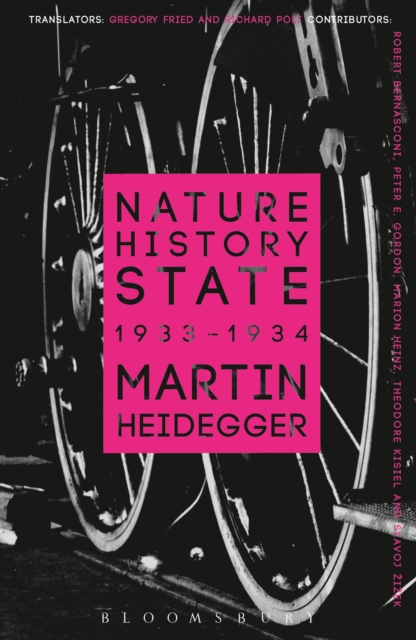
Nature, History, State: 1933-1934 presents the first complete English-language translation of Heidegger's seminar 'On the Essence and Concepts of Nature, History and State', together with full introductory material and interpretive essays by five leading thinkers and scholars: Robert Bernasconi, Peter Eli Gordon, Marion Heinz, Theodore Kisiel and Slavoj i ek.
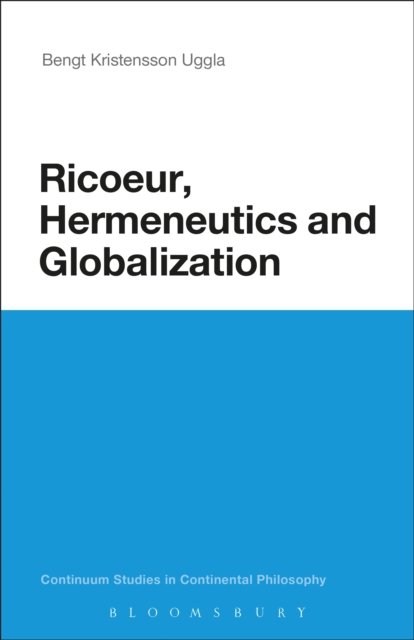
Ricoeur, Hermeneutics and Globalization explores the philosophical resources provided by Paul Ricoeur's hermeneutics in dealing with the challenges of a world framed by globalization.
Over the past 40 years, Jacques Rancière's work has defined itself through a remarkable set of philosophical differences in relation to other key figures working in the fields of politics, philosophy and aesthetics.
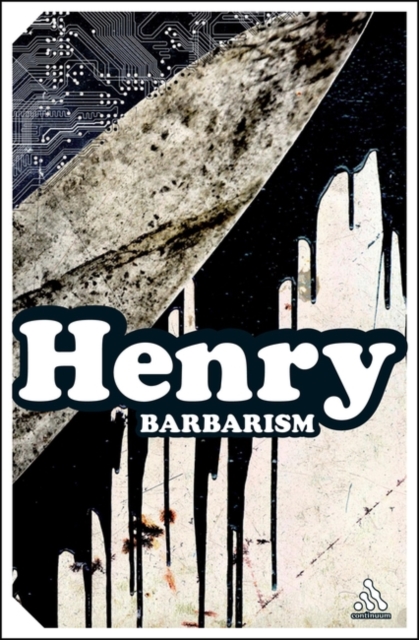
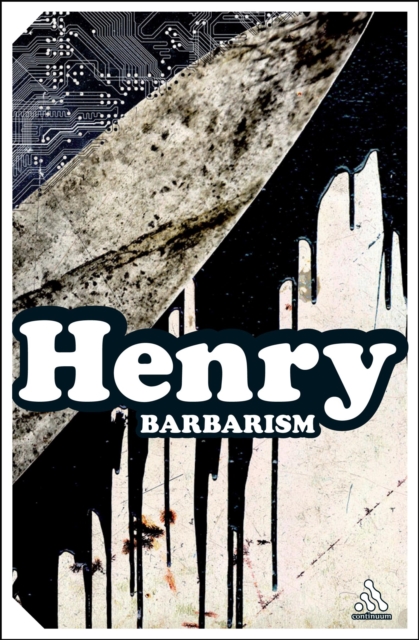
Barbarism represents acritique, from the perspective of Michel Henry's unique philosophy of life, ofthe increasing potential of science and technology to destroy the roots ofculture and the value of the individual human being.
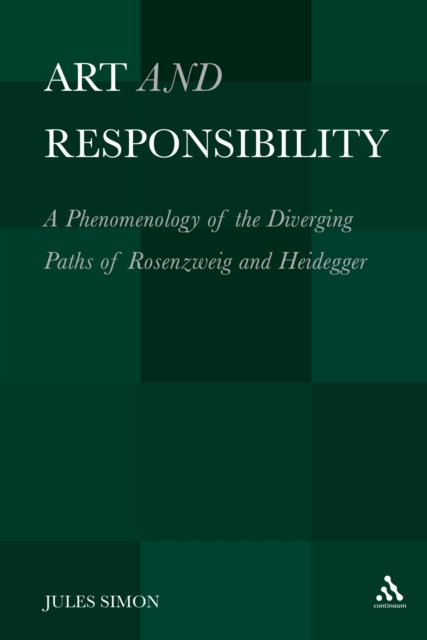
Two German philosophers working during the Weimar Republic in Germany, between the two World Wars, produced seminal texts that continue to resonate almost a hundred years later.
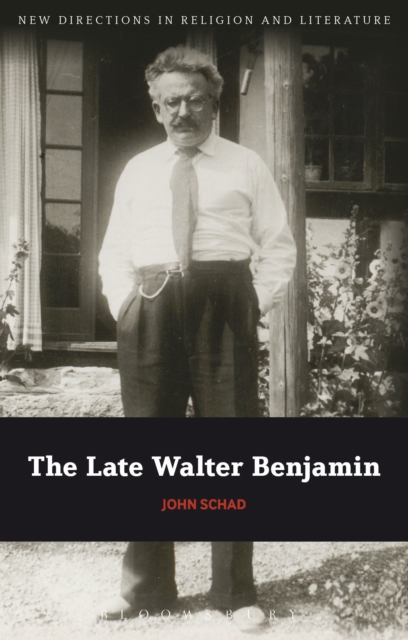
A startling critical-creative examination of one of the 20th Century's leading thinkers, The Late Walter Benjamin is a documentary novel that juxtaposes the life and death of Walter Benjamin with the days, hours and minutes of a working-class council estate on the edge of London in post-war Austerity England.
Foucault's Legacy brings together the work of eight Foucault specialists in an important collection of essays marking the 25th anniversary of Foucault's death.
Gilles Deleuze and Felix Guattari have arguably gone further than anyone in contemporary philosophy in affirming a philosophy of creation, one that both establishes and encourages a clear ethical imperative: to create the new.
In Mathematics of the Transcendental, Alain Badiou painstakingly works through the pertinent aspects of category theory, demonstrating their internal logic and veracity, their derivation and distinction from set theory, and the 'thinking of being'.
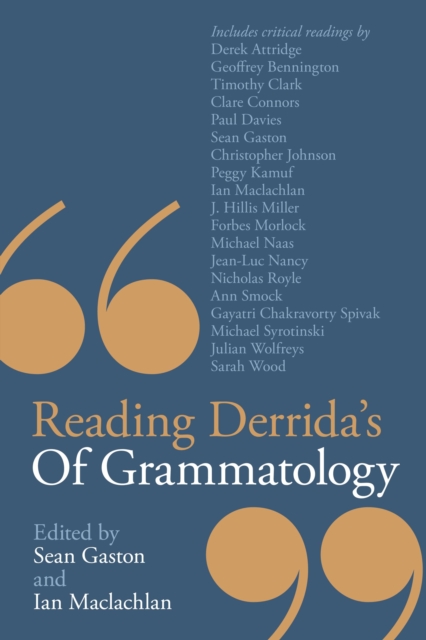
With new readings from nineteen internationally renowned scholars, Reading Derrida'sOf Grammatology is a significant reassessment and informed discussion of Jacques Derrida's landmark 1967 text.
Barbarism represents acritique, from the perspective of Michel Henry's unique philosophy of life, ofthe increasing potential of science and technology to destroy the roots ofculture and the value of the individual human being.
Helping students and researchers get to grips with the work of this compelling but often baffling thinker, this introductory guide surveys the impact and continuing influence of the work of Friedrich Nietzsche on modern European thought.
In the wake of much previous work on Gilles Deleuze's relations to other thinkers (including Bergson, Spinoza and Leibniz), his relation to Kant is now of great and active interest and a thriving area of research.
In the first book-length introduction to Deleuze's work on film from a feminist perspective, Teresa Rizzo ranges across Deleuze's books on Cinema, his other writings, and feminist re-workings of his philosophy to re-think the film viewing experience.
Derrida, Literature and War argues for the importance of the relation between absence and chance in Derrida's work in thinking today about war and literature.
Merleau-Ponty and the Paradoxes of Expression offers a comprehensive reading of the philosophical work of Maurice Merleau-Ponty, a central figure in 20th-century continental philosophy.
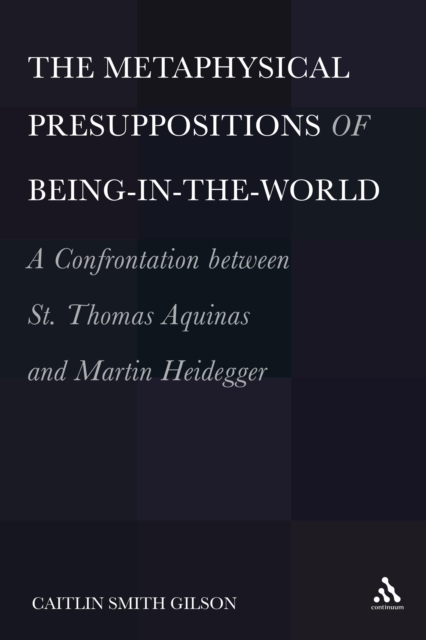
This book brings Aquinas and Heidegger into dialogue and offers an original and comprehensive rethinking of the nature of temporality and the origins of metaphysical inquiry.
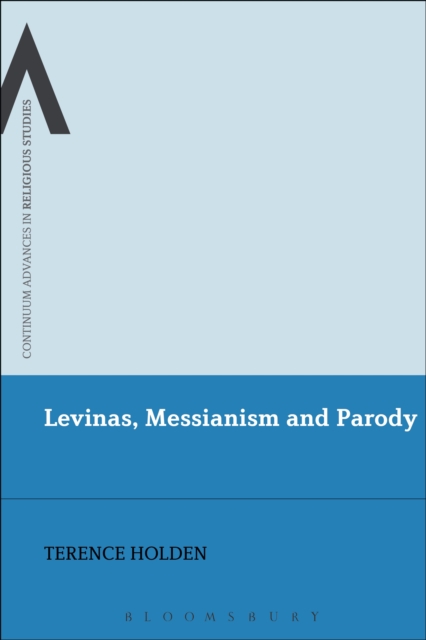
There is no greater testament to Emmanuel Levinas' reputation as an enigmatic thinker than in his meditations on eschatology and its relevance for contemporary thought.
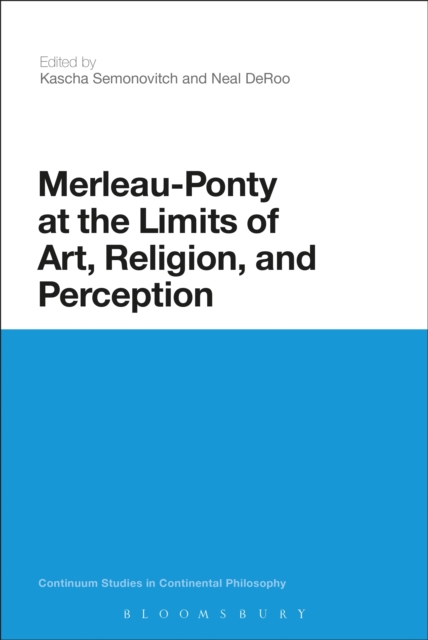
Merleau-Ponty was one of the most important European philosophers of the 20th century, whose work made enormous contributions to the development of phenomenology and the concept of the lived-body.
For much of the twentieth century, many Anglo-American philosophers supported three theses - one about reality, one about truth, and one about human knowledge - that, taken together, underwrote debates in epistemology.
Exile and Restoration in Jewish Thought presents the history of an idea originating at the intersection of Judaic piety and the social history of the Jews: faith in a protective sovereign deity amid contrary conditions.
In Heidegger's Early Philosophy, James Luchte sets forth a comprehensive examination of Heidegger's phenomenology between 1924 and 1929, during which time Heidegger was largely concerned with a radical temporalization of thought.