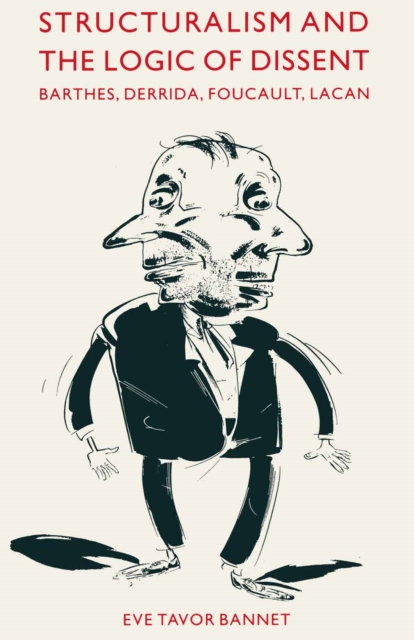
Structuralism and the Logic of Dissent is a fascinating and lucid exploration of the seminal writings of four eminent French structuralists that sheds new light on influential theoretical texts.
This volume contains the proceedings of the six symposia of the 'Philosophers into Europe' conference held under he joint auspices of the Royal Institute of Philosophy and the British Society for Phenomenology at the University of Southampton in September 1969.
The recent debate about biopolitics in International Relations (IR) theory may well prove to be one of the most provocative and rewarding engagements with the concept of power in the history of the discipline.
The recent debate about biopolitics in International Relations (IR) theory may well prove to be one of the most provocative and rewarding engagements with the concept of power in the history of the discipline.
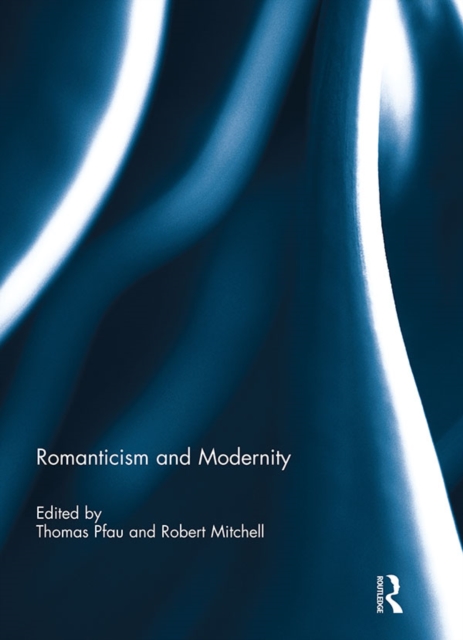
Though traditionally defined as a relatively brief time period - typically the half century of 1780-1830 - the "e;Romantic era"e; constitutes a crucial, indeed unique, transitional phase in what has come to be called "e;modernity,"e; for it was during these fifty years that myriad disciplinary, aesthetic, economic, and political changes long in the making accelerated dramatically.
Though traditionally defined as a relatively brief time period - typically the half century of 1780-1830 - the "e;Romantic era"e; constitutes a crucial, indeed unique, transitional phase in what has come to be called "e;modernity,"e; for it was during these fifty years that myriad disciplinary, aesthetic, economic, and political changes long in the making accelerated dramatically.
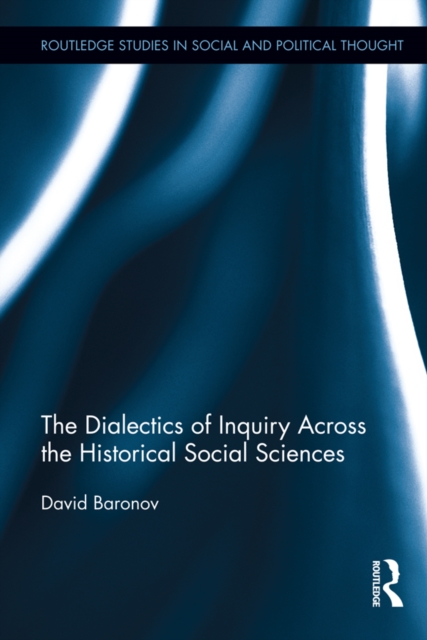
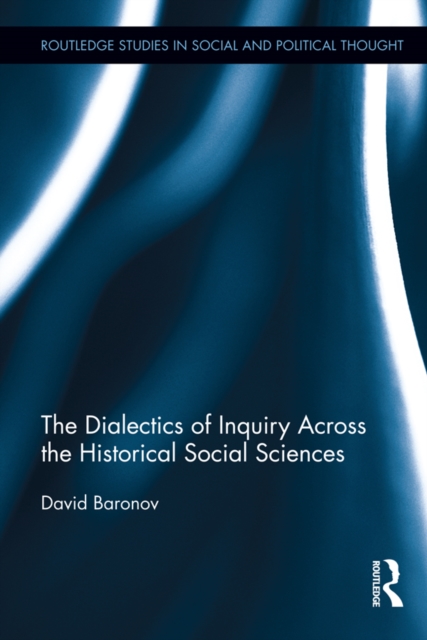
This book turns conventional global-historical analysis on its head, demonstrating, first, that local events cannot be derived - logically or historically - from large-scale, global-historical structures and processes and, second, that it is these structures and processes that, in fact, emerge from our analysis of local events.
This book turns conventional global-historical analysis on its head, demonstrating, first, that local events cannot be derived - logically or historically - from large-scale, global-historical structures and processes and, second, that it is these structures and processes that, in fact, emerge from our analysis of local events.
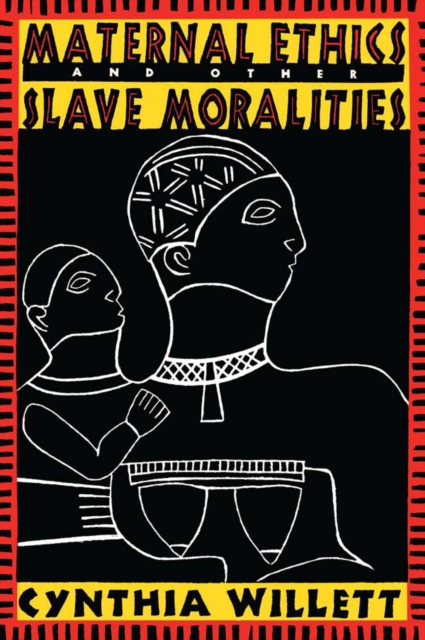
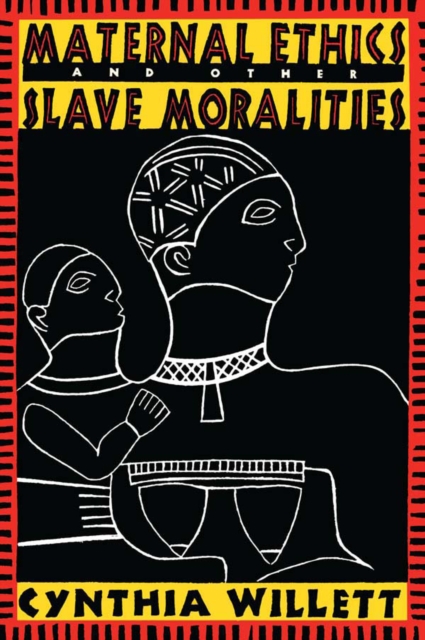
In Maternal Ethics and Other Slave Moralities which includes the first extended philosophical discussion of the works of Frederick Douglass, Cynthia Willett puts forward a novel theory of ethical subjectivity that is aimed to counter prevailing pathologies of sexist, racist Eurocentric culture.
In Maternal Ethics and Other Slave Moralities which includes the first extended philosophical discussion of the works of Frederick Douglass, Cynthia Willett puts forward a novel theory of ethical subjectivity that is aimed to counter prevailing pathologies of sexist, racist Eurocentric culture.
First published in 1935, this book compares and examines what John Laird termed the a three most important notions in ethical science: the concepts of virtue, duty and well-being.
First published in 1935, this book compares and examines what John Laird termed the a three most important notions in ethical science: the concepts of virtue, duty and well-being.
Arthur Lessac's Embodied Actor Training situates the work of renowned voice and movement trainer Arthur Lessac in the context of contemporary actor training.
Arthur Lessac's Embodied Actor Training situates the work of renowned voice and movement trainer Arthur Lessac in the context of contemporary actor training.
Hegel's philosophy has witnessed periods of revival and oblivion, at times considered to be an unrivalled and all-embracing system of thought, but often renounced with no less ardour.
Hegel's philosophy has witnessed periods of revival and oblivion, at times considered to be an unrivalled and all-embracing system of thought, but often renounced with no less ardour.
The emphasis of this book is to explore two major philosophical influences in contemporary human geography, namely logical positivism and Marxism, and to explore the relationships between philosophy, methodology and geographical research.
The emphasis of this book is to explore two major philosophical influences in contemporary human geography, namely logical positivism and Marxism, and to explore the relationships between philosophy, methodology and geographical research.