Texte und Dokumente Walter Jaeschke: Eine neue Phase der Hegel-Edition Jørgen Huggler: Eine neue Vorlesungsnachschrift zu Hegels Berliner Vorlesungen zur Philosophie des Geistes von 1827/28 Abhandlungen Rüdiger Bubner: Überlegungen zur Situation der Hegelforschung Robert B.
Dieser Band macht nicht nur Kunz' Frühschrift Die Grenze der psychopathologischen Wahninterpretationen wieder zugänglich, die der Schweizer Psychiater Ludwig Binswanger 1965 als epochemachenden Beitrag in der Geschichte der psychiatrischen Grundlagenforschung taxierte.
Die hier versammelten Glossen erkunden mit philosophischem Spürsinn den Zeitgeist und gehen der Frage nach, was die Aufgabe philosophischen Denkens in der Gegenwart sein kann.
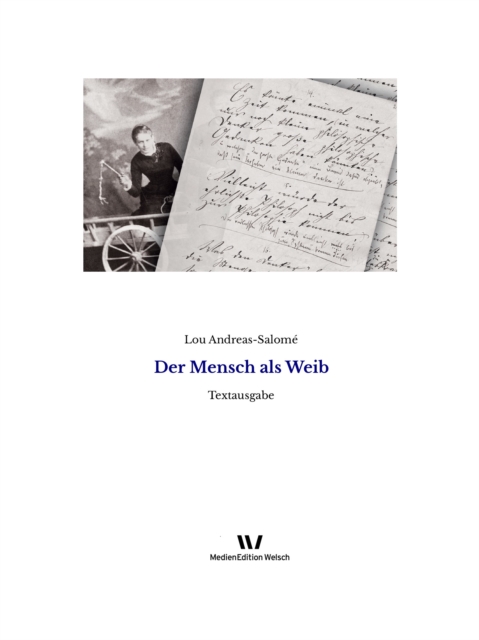
Die Aufsätze und Essays zu philosophischen Themen, die vor dem Hintergrund der Frauenbewegung um 1900 ihre Gedanken zum Selbstverständnis derFrau und dem Verhältnis der Geschlechter zueinander darlegen, zeigen das eigenständige und unabhängige Denken Lou Andreas-Salomés.
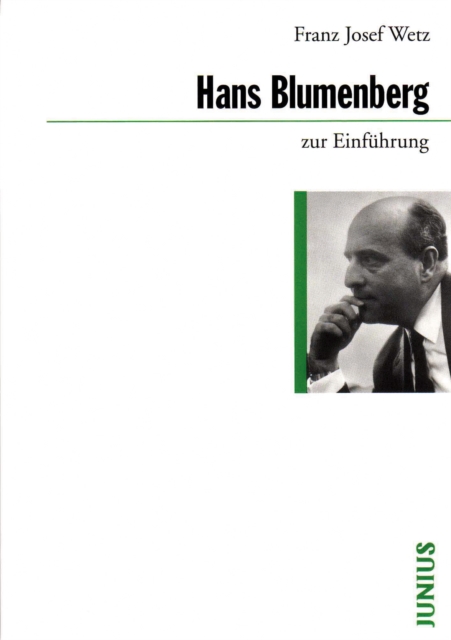
In seinen weit ausgreifenden Untersuchungen der abendländischen Geistesgeschichte hat Hans Blumenberg (1920-1996) einen Grundgedanken variiert: Auf der einen Seite steht, einem absolutistischen Souverän vergleichbar, die sinnleere, rücksichtslose Übermacht der realen Welt.
Die Anweisung zum seligen Leben oder auch die Religionslehre (EA Berlin 1806) ist eine religionsphilosophische Abhandlung des Philosophen Johann Gottlieb Fichte.
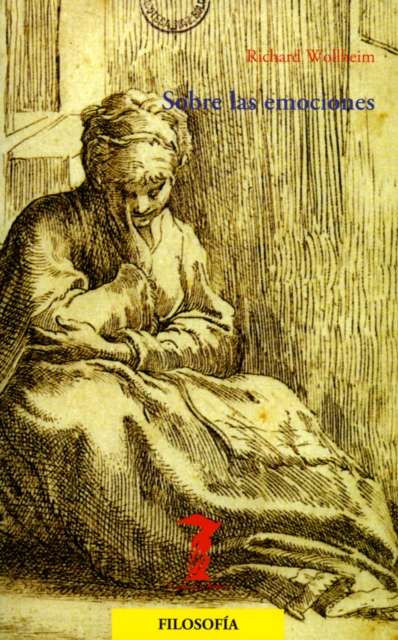
Sobre las emociones se concibe, tal como indica su autor, como un libro de "filosofía aplicada", recurre a la experimentación y la observación, no considera irrelevante la sabiduría del pasado y tiene muy en cuenta el sentido común.
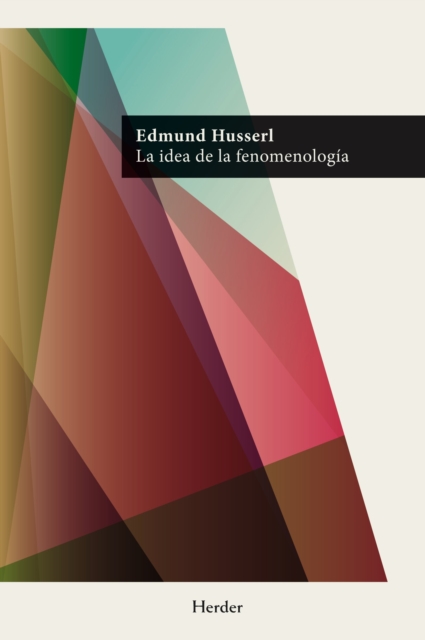
Se recogen en este volumen las lecciones impartidas por Edmund Husserl en 1907, que suponen la primera exposición pública del sentido y de las implicaciones del nuevo método descubierto por el autor, la conocida "reducción fenomenológica", y permiten comprender el paso de la fenomenología descriptiva de Investigaciones lógicas (1900) a la fenomenología transcendental de Ideas I (1913).
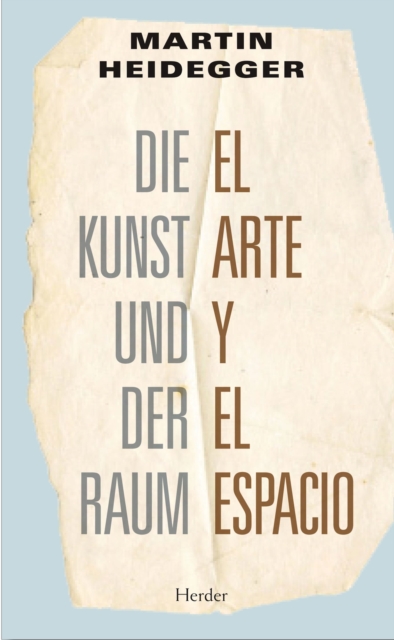
Martin Heidegger y Eduardo Chillida se conocieron en uno de los habituales encuentros entre escritores,pensadores y artistas organizados por la célebre galería Erker de St.
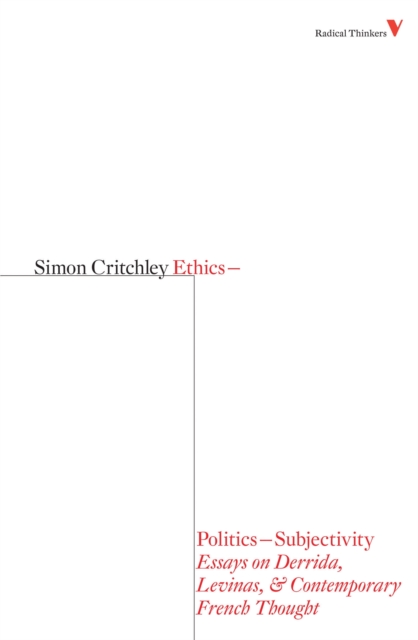
In Ethics-Politics-Subjectivity, Simon Critchley takes up three questions at the centre of contemporary theoretical debate: What is ethical experience?
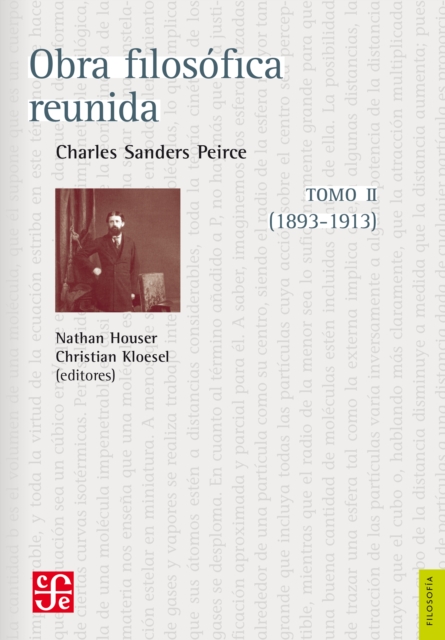
Edición crítica que expone de manera cabal y cronológica las ideas centrales de la filosofía de Charles Sanders Peirce, el mejor exponente del pragmatismo y la semiótica del siglo XIX.
Los artículos que conforman «He visto al que me» ve quieren ser un pequeño mosaico, osado a la vez que humilde, de algunos de los espacios vitales y simbólicos desde los que reflexionar, intuir y otear, en el hoy de la historia, esa urdimbre existencial del ser humano que le lleva a experimentar la presencia de la divinidad y nombrarla como acontecimiento y encuentro.
Los once ensayos aquí incluidos abordan los temas clásicos de la filosofía desde una perspectiva fenomenológica entre Husserl y Heidegger, remitiendo, como lo hicieran el fundador y algunos maestros de la fenomenología, a los orígenes en Grecia.
"Als Erbauungsbuch – und das ist ja viel mehr als ich dachte – bedeutet es mir viel und wird mir viel bedeuten", schreibt Franz Kafka an seinen Freund Felix Weltsch, der ihm das Skript zu Gnade und Freiheit Ende 1919 zur Korrektur übergeben hatte.
Philosophical Foundations of Psychotherapy promotes a critical understanding of the ideas, traditions, values, and principles that inform and shape - for better or for worse - what therapists do.
La obra de Antonio Gramsci (un clásico del pensamiento político del siglo XX por mérito propio), a pesar de los años que han pasado desde su redacción, constituye un instrumento imprescindible para entender nuestro presente.
Pocos textos como el de esta tercera Intempestiva podrían iluminar mejor las raíces de la tarea que Nietzsche escogió como propia en fecha ya muy temprana.
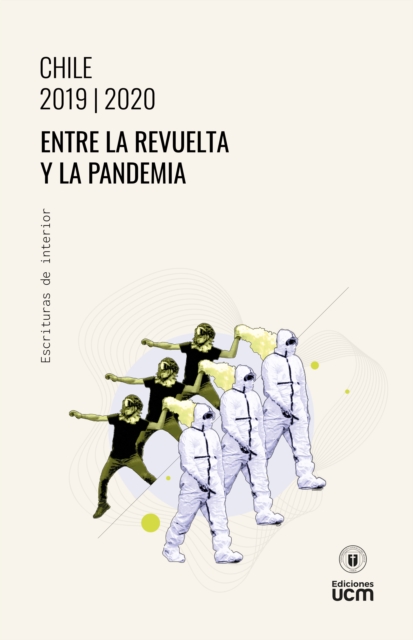
Podemos hablar de estallido social, pandemia, encuentros entre vivos y muertos, memoria(s), descoincidencia, feminismo(s), etica, bioetica, violencia(s) o limites, sin embargo, estas categorias no son inmutables, no tienen un solo tono a lo largo y ancho de la historia y son, ellas mismas, frutos de una epoca, reflejos de un tiempo y no de otro, y asi como pueden buscar verdades o algunas certezas en el acto escritural inmanente a quien escribe, estan de igual manera condenadas a extinguirse, a desaparecer, a ser metafora de lo que fue, no obstante y con la misma potencia y en tanto metafora, a ser testimonio, herencia, responsabilidad.
La gran contribucion de Simondon consiste en mostrar que es completamente inadecuado separar los objetos tecnicos de los procesos de individuacion a los que esta sometido el ser humano.
El libro expone las distintas posturas sobre las ideas de soberania, desde la etica, la estetica y la politica, a partir del enfoque de la individualidad.