This book is a phenomenological approach to film sound and film as a whole, bringing all sensory impressions together within the body as a sense of movement.
Esta teoría no solo es una muy buena ruta alterna de elucidación de la naturaleza del contenido semántico, sino que hace que la filosofía del lenguaje se replantee la formulación de su problema central: el de la relación entre semántica y pragmática.
Dreams and fantasies of immorality date back to the first human being who was expelled from the Garden of Eden and fell into time, as Augustine recounts.
Dreams and fantasies of immorality date back to the first human being who was expelled from the Garden of Eden and fell into time, as Augustine recounts.
Eight Domains of Phenomenology and Research Methods is a unique text that explains how the foundational literature representing our lifeworld experience aligns theory with research methods.
Eight Domains of Phenomenology and Research Methods is a unique text that explains how the foundational literature representing our lifeworld experience aligns theory with research methods.
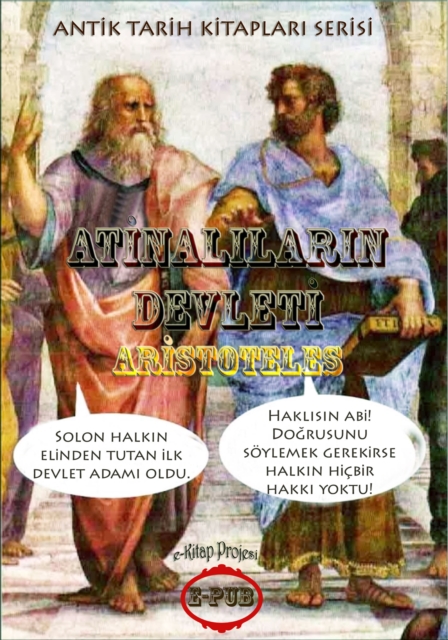
Unlu Yunan filozofu Aristoteles'in yok oldugu sanilan "e;Atinalilarin Devleti"e; adli yazisi, Misir'dan Londra'daki British Museum'a getirilmis olan bir papirus elyazmasinin ortaya cikartilmasiyla 1891 yili Subat ayinda yeniden tanindi.
The highly arcane "e;wisdom"e; produced by the French psychoanalyst Jacques Lacan is either endlessly regurgitated and recited as holy writ by his numerous acolytes, or radically dismissed as unpalatable nonsense by his equally countless detractors.
The highly arcane "e;wisdom"e; produced by the French psychoanalyst Jacques Lacan is either endlessly regurgitated and recited as holy writ by his numerous acolytes, or radically dismissed as unpalatable nonsense by his equally countless detractors.
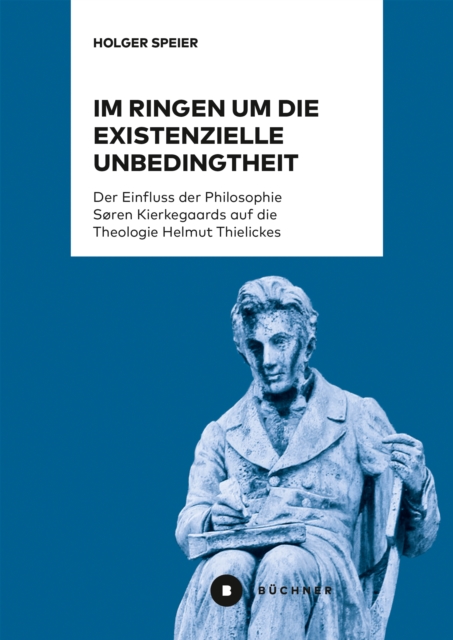
Der vorliegende Band ergänzt die Rezeptionsgeschichte der Philosophie Søren Kierkegaards um einen bisher kaum beachteten Interpreten: den evangelischen Theologen Helmut Thielicke (1908–1986).
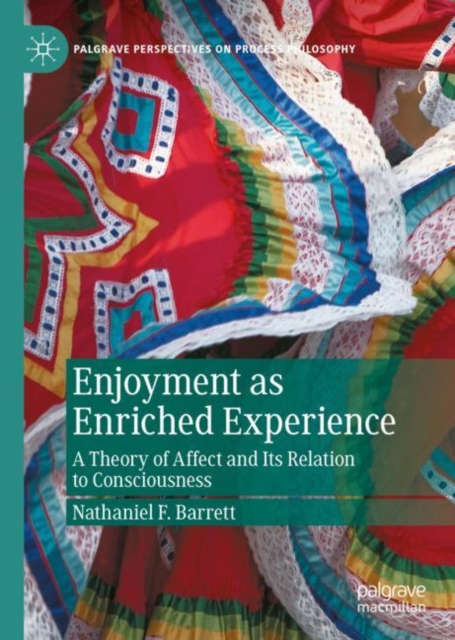
This book has two main tasks: (1) to call attention to the special challenges presented by our experience of affect-all varieties of pleasure and pain-and (2) to show how these challenges can be overcome by an "e;enrichment approach"e; that understands affect as the enrichment or deterioration of conscious activity as a whole.
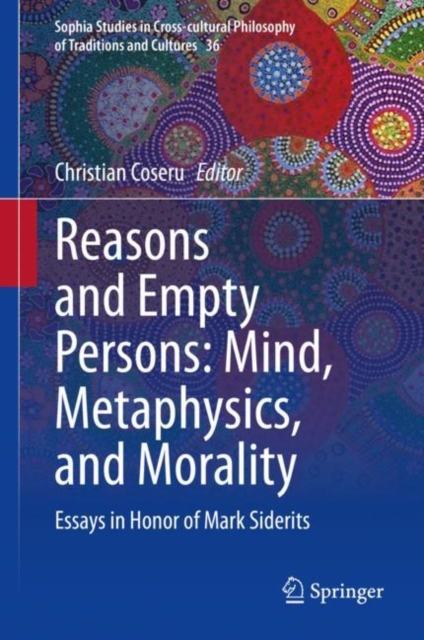
Best known for his groundbreaking and influential work in Buddhist philosophy, Mark Siderits is the pioneer of "e;fusion"e; or "e;confluence philosophy"e;, a boldly systematic approach to doing philosophy premised on the idea that rational reconstruction of positions in one tradition in light of another can sometimes help address perennial problems and often lead to new and valuable insights.
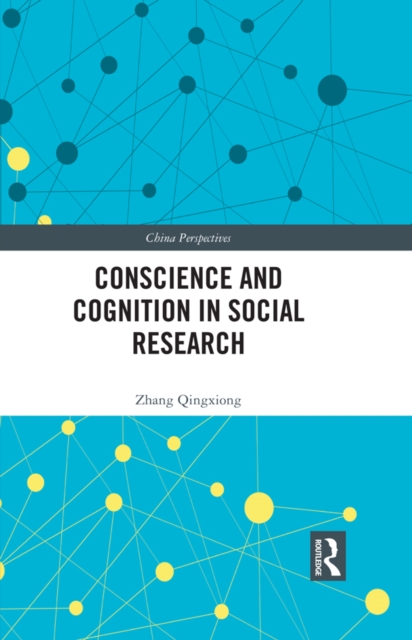
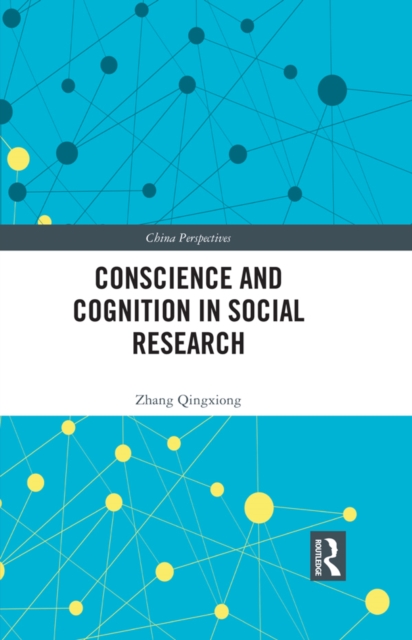
This book is a critical examination of the different roles of conscience and cognition in social research in China and the West, exploring how the two traditions can enrich each other and help societies navigate through the complex intellectual and moral crises of our time.
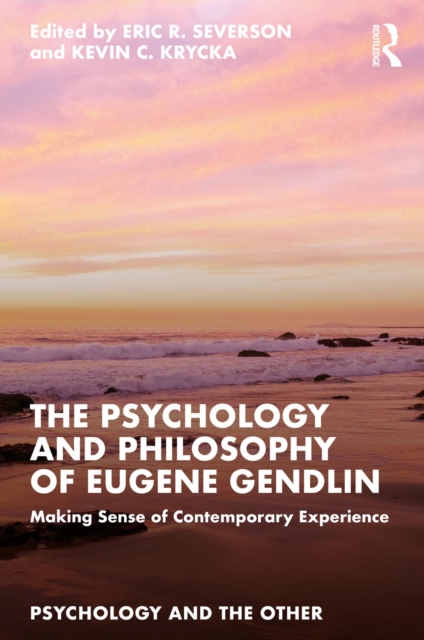
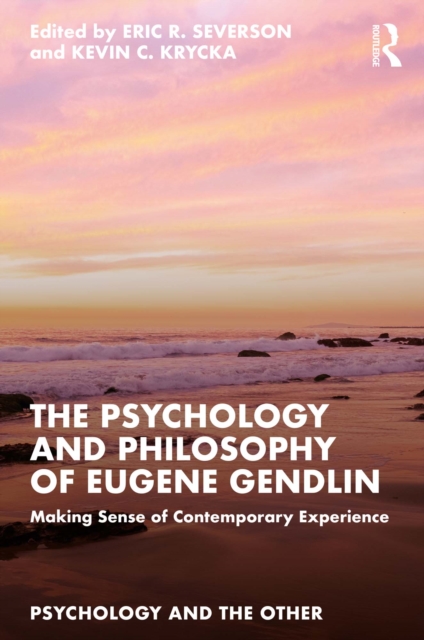
This book brings together a collection of essays written by scholars inspired by Eugene Gendlin's work, particularly those interested in thinking with and beyond Gendlin for the sake of a global community facing significant crises.
This book is a critical examination of the different roles of conscience and cognition in social research in China and the West, exploring how the two traditions can enrich each other and help societies navigate through the complex intellectual and moral crises of our time.
This book brings together a collection of essays written by scholars inspired by Eugene Gendlin's work, particularly those interested in thinking with and beyond Gendlin for the sake of a global community facing significant crises.
Dieser Essay stellt sich den grundlegendsten Fragen der Philosophie: der Frage nach dem Ursprung des Seins überhaupt, vor allem aber der Frage nach der Entstehung des Endlichen, weshalb wir dieses für unsere »Natur« halten und wie wir diesen Glauben aufbrechen können.
This volume reinterprets Hegelian dialectics via an exploration of the two origins of dialectics and illuminates how they constitute the inner tension at the heart of the philosophical system, developing into the forms of thought that fashion the history of western philosophy.
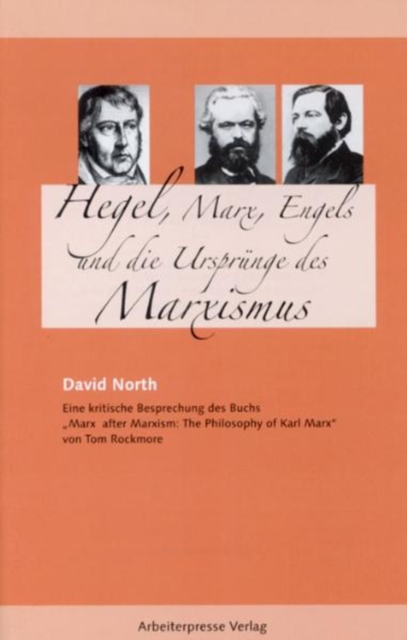
This volume explores the unity of logic, epistemology and ontology in Hegel's dialectic and the interrelation among the three, thereby revealing the internal features of Hegel's dialectic as well as the connection and divergence between Hegel's and Marx's philosophical thought.
This volume explores the unity of logic, epistemology and ontology in Hegel's dialectic and the interrelation among the three, thereby revealing the internal features of Hegel's dialectic as well as the connection and divergence between Hegel's and Marx's philosophical thought.
Focusing on the self-negation and reflective forms of Hegel's dialectics, and representing the spirit of nous and logos respectively, this volume explores core functions in the subjectivity, free spirit and practicality of Hegelian dialectics.
Focusing on the self-negation and reflective forms of Hegel's dialectics, and representing the spirit of nous and logos respectively, this volume explores core functions in the subjectivity, free spirit and practicality of Hegelian dialectics.
This volume reinterprets Hegelian dialectics via an exploration of the two origins of dialectics and illuminates how they constitute the inner tension at the heart of the philosophical system, developing into the forms of thought that fashion the history of western philosophy.
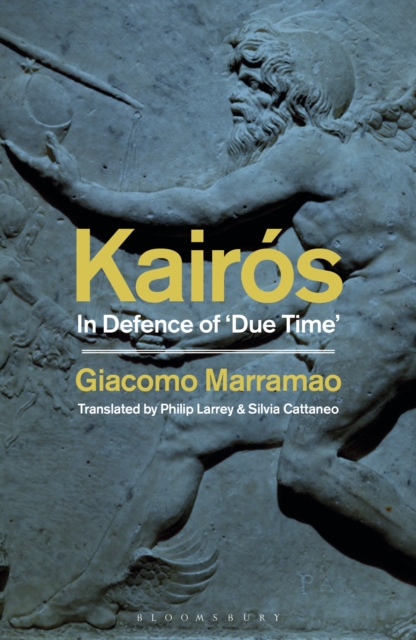
Shedding new light on the fundamental philosophical problem of time, leading Italian philosopher Giacomo Marramao offers a solution to today's 24/7 culture.
First published in 1977, Georg Lukacs gives an outline of Lukacs' views and explains how they are related to the relevant cultural traditions of his epoch.
First published in 1977, Georg Lukacs gives an outline of Lukacs' views and explains how they are related to the relevant cultural traditions of his epoch.
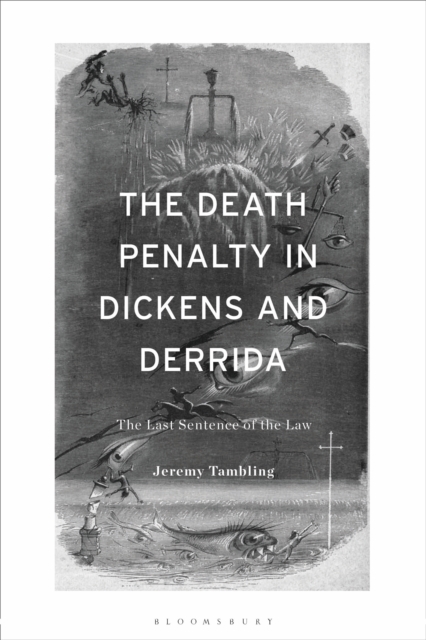
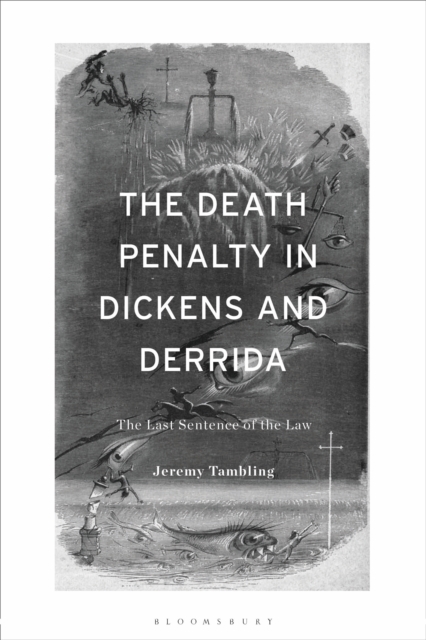
In the nineteenth century, Charles Dickens backed the cause of abolition of the death penalty and wrote comprehensively about it, in public letters and in his novels.
In the nineteenth century, Charles Dickens backed the cause of abolition of the death penalty and wrote comprehensively about it, in public letters and in his novels.