Estimulado por la reciente, audaz y esperada traducción de Glas (Galilée, 1974) al español Clamor (La Oficina de Artes y Oficios, 2015), Leer con clamor editado por Mauro Senatore y Víctor Ibarra B.
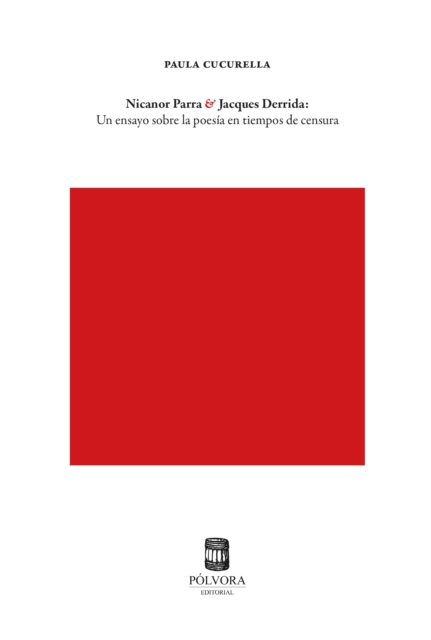
Jacques Derrida & Nicanor Parra: Un ensayo sobre la poesía en tiempos de censura constituye una reflexión sobre uno de los estándares más importantes para la institución literaria durante la modernidad: la libertad de expresión.
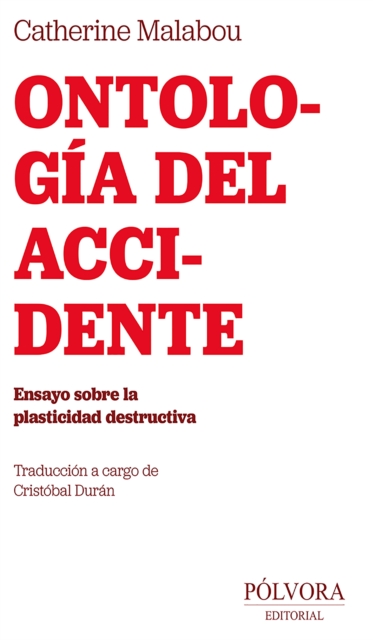
Escenas de escritura constituye una superficie de inscripción, un marco, en donde confluyen diferentes estilos de pensamiento que indagan en los vínculos subyacente entre lo filosófico y lo literario.
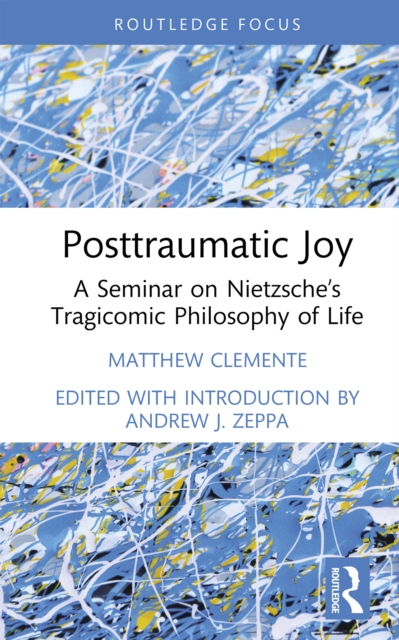
Posttraumatic Joy presents the major themes and ideas of Nietzsche's corpus from a continental and psychoanalytic perspective with a particular bent toward how they might illuminate ways of coping with and living beyond trauma and suffering.
Posttraumatic Joy presents the major themes and ideas of Nietzsche's corpus from a continental and psychoanalytic perspective with a particular bent toward how they might illuminate ways of coping with and living beyond trauma and suffering.
This volume investigates Eric Weil's innovative conceptualization of the place of violence in the philosophical tradition with a focus on violence's relationship to language and to discourse.
At the heart of this volume is the assertion that Sartrean existentialism, most prominent in the 1940s, particularly in France, is still relevant as a way of interpreting the world today.
Simone de Beauvoir s work has not often been associated with film studies, which appears paradoxical when it is recognized that she was the first feminist thinker to inaugurate the concept of the gendered othering gaze.
This new edition features the previously unpublished delivery text of Berlin's inaugural lecture as a professor at Oxford, which derives from this volume and stands as the briefest and most pithy version of his famous essay "e;Two Concepts of Liberty.
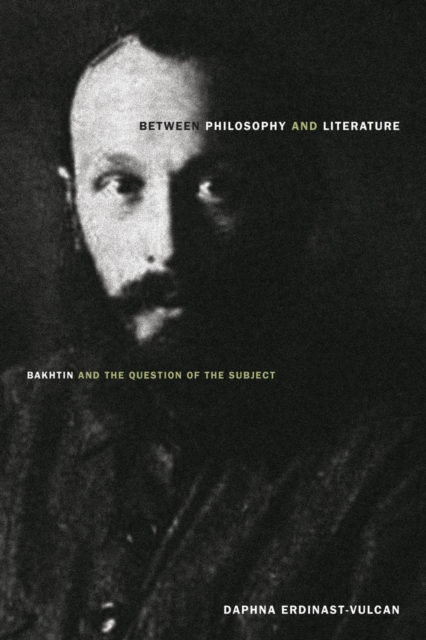
The "e;ancient quarrel"e; between philosophy and literature seems to have been resolved once and for all with the recognition that philosophy and the arts may be allies instead of enemies.
The Star Wars films continue to revolutionize science fiction, creating new standards for cinematographic excellence, and permeating popular culture around the world.
The French philosopher Jean-Paul Sartre (19051980) was the major representative of the philosophical movement called existentialism, and he remains by far the most famous philosopher, worldwide, of the postWorld War Two era.
Many of the social, cultural, and even economic problems now faced by American society are direct results of excessive emphasis on material consumption, which in turn reflects spiritual poverty.
Epistemology, as generally understood by philosophers of science, is rather remote from the history of science and from historical concerns in general.
The three essays collected in this book offer a succinct introduction to Agamben's recent work through an investigation of Foucault's notion of the apparatus, a meditation on the intimate link of philosophy to friendship, and a reflection on contemporariness, or the singular relation one may have to one's own time.
Since the 1930s, philosophy has been divided into two camps: the analytic tradition which prevails in the Anglophone world and the continental tradition which holds sway over the European continent.
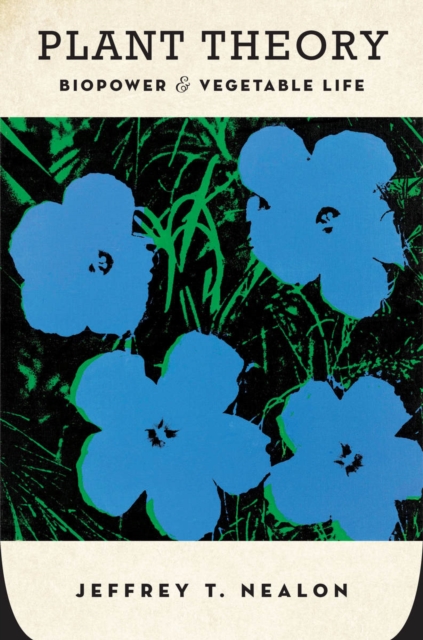
In our age of ecological disaster, this book joins the growing philosophical literature on vegetable life to ask how our present debates about biopower and animal studies change if we take plants as a linchpin for thinking about biopolitics.
This book investigates what Bataille, in "e;The Pineal Eye,"e; calls mythological representation: the mythological anthropology with which this unusual thinker wished to outflank and undo scientific (and philosophical) anthropology.
This seminal text in the history of moral philosophy elaborates the basic themes of Kant's moral theory, gives the most complete statement of his highly original theory of freedom of the will, and develops his practical metaphysics.
Andrew Shanks brings together a grand narrative of theology and continental philosophy to argue that the 'solidarity of the shaken' is the kingdom of God in secular dress.
Political philosopher Noelle McAfee proposes a powerful new political theory for our post-9/11 world, in which an old pathology-the repetition compulsion-has manifested itself in a seemingly endless war on terror.
Dieses eBook: "Gesammelte philosophische Werke" ist mit einem detaillierten und dynamischen Inhaltsverzeichnis versehen und wurde sorgfältig korrekturgelesen.
Andrew Shanks brings together a grand narrative of theology and continental philosophy to argue that the 'solidarity of the shaken' is the kingdom of God in secular dress.
This is a thorough and balanced guide to modern French philosophical thought, providing lucid, authoritative accounts of famous philosophers whilst also highlighting lesser-known figures.
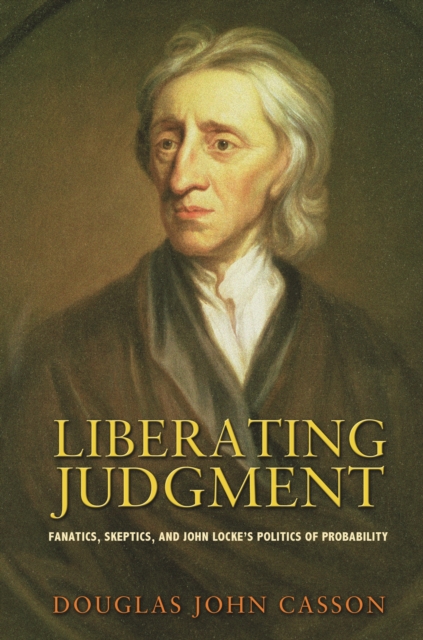
Examining the social and political upheavals that characterized the collapse of public judgment in early modern Europe, Liberating Judgment offers a unique account of the achievement of liberal democracy and self-government.
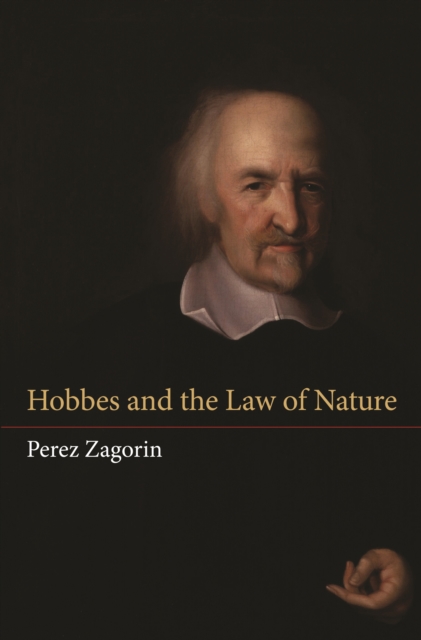
This is the first major work in English to explore at length the meaning, context, aims, and vital importance of Thomas Hobbes's concepts of the law of nature and the right of nature.
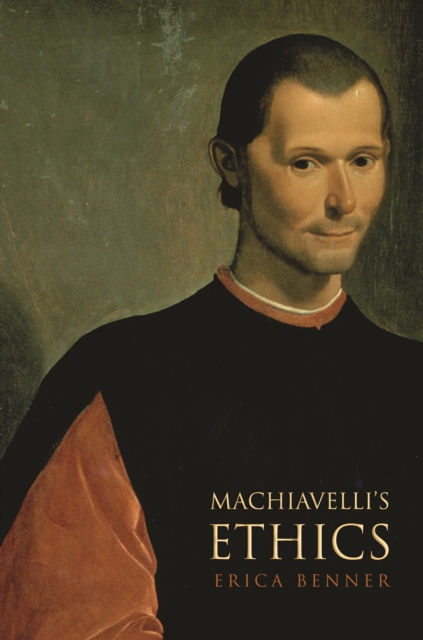
Machiavelli's Ethics challenges the most entrenched understandings of Machiavelli, arguing that he was a moral and political philosopher who consistently favored the rule of law over that of men, that he had a coherent theory of justice, and that he did not defend the "e;Machiavellian"e; maxim that the ends justify the means.
From the author of the #1 New York Times bestseller On Bullshit, a landmark account of Descartes, reason, and truthIn this classic work, philosopher and bestselling author Harry Frankfurt provides a compelling analysis of the question that not only lies at the heart of Descartes's Meditations, but also constitutes the central preoccupation of modern philosophy: on what basis can reason claim to provide any justification for the truth of our beliefs?