This book sheds new light on the history of the philosophically crucial notion of intentionality, which accounts for one of the most distinctive aspects of our mental life: the fact that our thoughts are about objects.
This book investigates how Pragmatist philosophy as a philosophical method contributes to the understanding and practice of interdisciplinary dance research.
This book offers new perspectives on the history of analytical philosophy, surveying recent scholarship on the philosophical study of mind, language, logic and reality over the course of the last 200 years.
Derrida and Textual Animality: For a Zoogrammatology of Literature analyses what has come to be known, in the Humanities, as 'the question of the animal', in relation to literary texts.
This book is a critical re-evaluation of Jean-Paul Sartre's phenomenological ontology, in which a theory of egological complicity and self-deception informing his later better known theory of bad faith is developed.
This book examines the role that human subjective experience plays in the creation of reality and introduces a new concept, the Bubble Universe, to describe the universe as it looks from the subjective viewpoint of an individual.
In this timely book, two philosophers-one American, one Bulgarian-explore the significance of the changes in Eastern Europe that began in 1989, and offer two alternative perspectives about them.
This book builds on the works of Artaud and Deleuze, setting forth a different way of thinking on the body through the use of a whole new set of conceptual tools.
From the most prominent thinkers in Latin American philosophy, literature, politics, and social science comes a challenge to conventional theories of globalization.
In this text, the history of phenomenological research on learning is synthesized and brought forward into the areas of existential learning, the development of enthusiasm about learning (from childhood through adulthood), and paradigmatic creative experience.
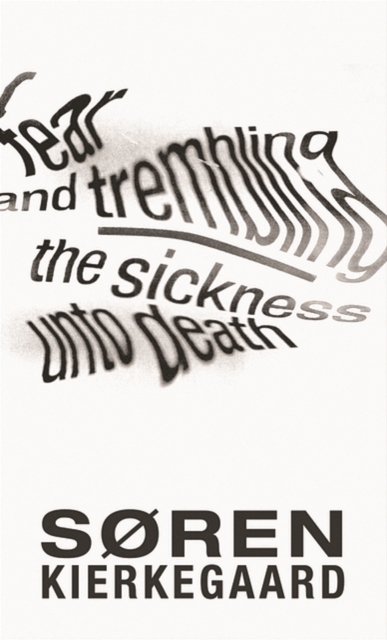
A masterful new translation of one of Kierkegaard's most engaging worksIn the Sermon on the Mount, Jesus tells his followers to let go of earthly concerns by considering the lilies of the field and the birds of the air.
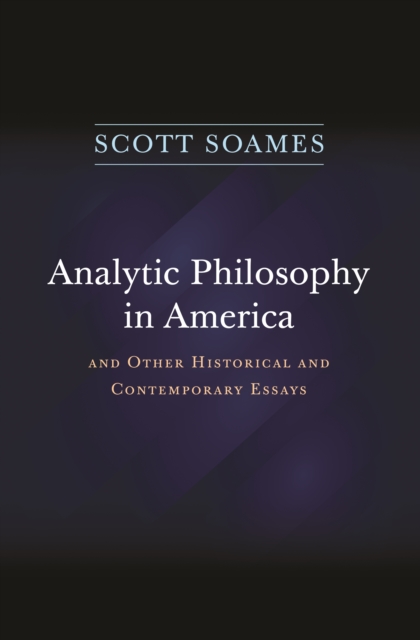
In this collection of recent and unpublished essays, leading analytic philosopher Scott Soames traces milestones in his field from its beginnings in Britain and Germany in the late nineteenth and early twentieth century, through its subsequent growth in the United States, up to its present as the world's most vigorous philosophical tradition.
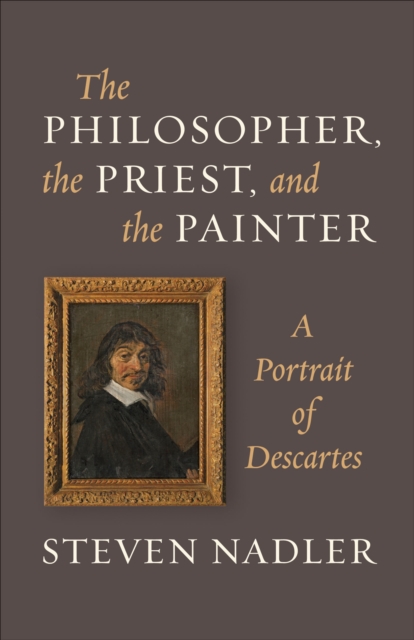
How a famous painting opens a window into the life, times, and philosophy of Rene DescartesIn the Louvre museum hangs a portrait that is considered the iconic image of Rene Descartes, the great seventeenth-century French philosopher.
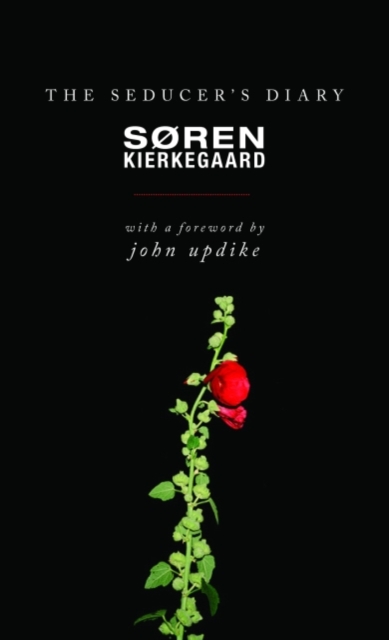
"e;In the vast literature of love, The Seducer's Diary is an intricate curiosity--a feverishly intellectual attempt to reconstruct an erotic failure as a pedagogic success, a wound masked as a boast,"e; observes John Updike in his foreword to Soren Kierkegaard's narrative.
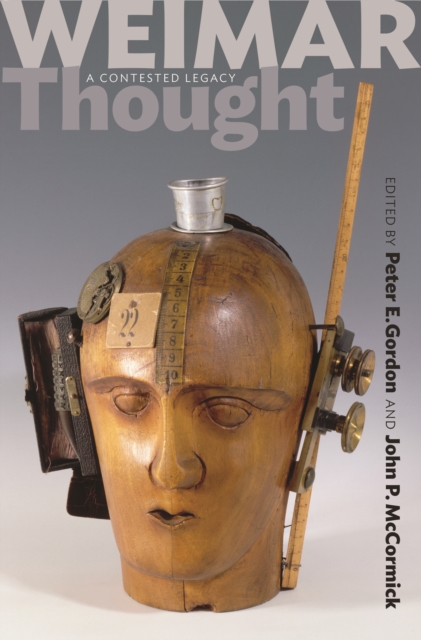
A comprehensive look at the intellectual and cultural innovations of the Weimar periodDuring its short lifespan, the Weimar Republic (1918-33) witnessed an unprecedented flowering of achievements in many areas, including psychology, political theory, physics, philosophy, literary and cultural criticism, and the arts.
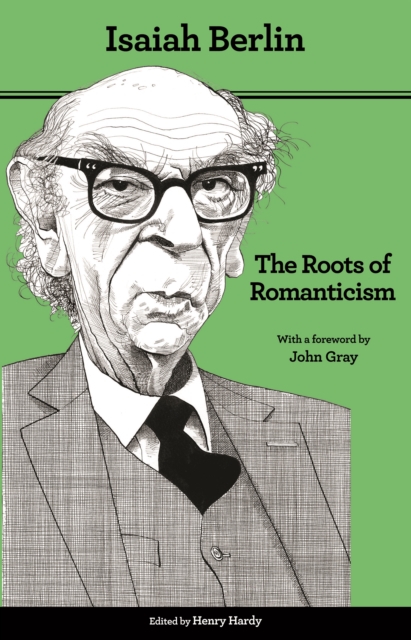
A brilliant brief account of romanticism and its influence from one of the most important philosophers and intellectual historians of the twentieth centuryIn The Roots of Romanticism, one of the twentieth century's most influential philosophers dissects and assesses a movement that changed the course of history.
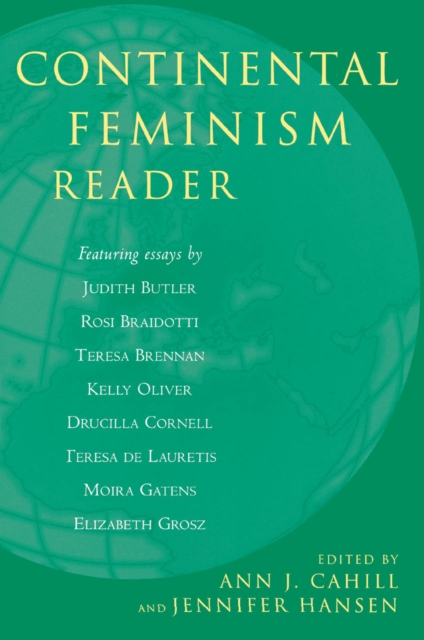
In an era of backlash and supposed stagnation, feminist philosophers are still providing fresh and challenging perspectives-you just have to know where to look.
Walter Lowrie's classic, bestselling translation of Soren Kierkegaard's most important and popular books remains unmatched for its readability and literary quality.
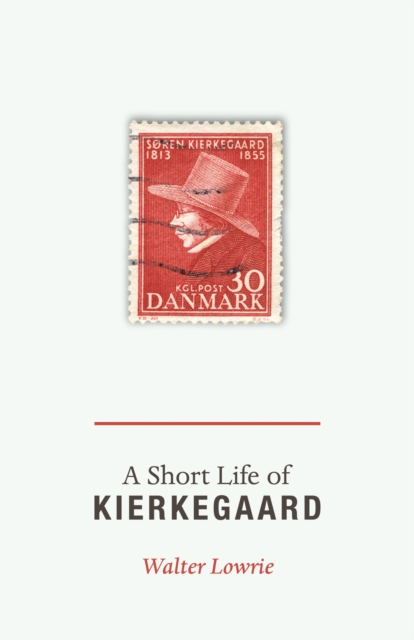
A small, insignificant-looking intellectual with absurdly long legs, Soren Kierkegaard (1813-1855) was a veritable Hans Christian Andersen caricature of a man.
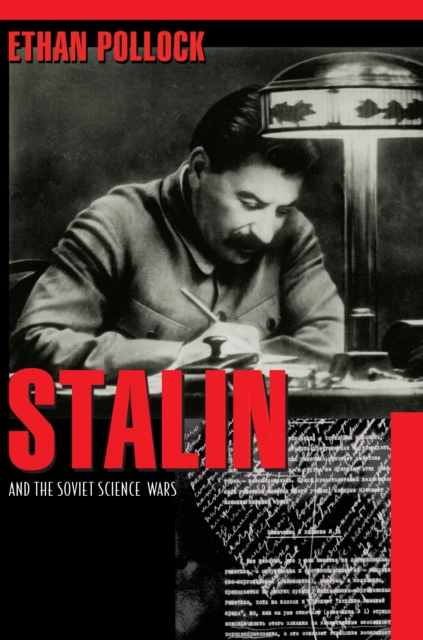
Between 1945 and 1953, while the Soviet Union confronted postwar reconstruction and Cold War crises, its unchallenged leader Joseph Stalin carved out time to study scientific disputes and dictate academic solutions.
Why democracy is the best way of deciding how decisions should be madePragmatism and its consequences are central issues in American politics today, yet scholars rarely examine in detail the relationship between pragmatism and politics.
Though it did not yet exist as a discrete field of scientific inquiry, biology was at the heart of many of the most important debates in seventeenth-century philosophy.
We think of the Enlightenment as an era dominated by ideas of progress, production, and industry--not an era that favored the lax and indolent individual.
In the most influential chapter of his most important philosophical work, the Phenomenology of Spirit, Hegel makes the central and disarming assertions that "e;self-consciousness is desire itself"e; and that it attains its "e;satisfaction"e; only in another self-consciousness.
The English philosopher Michael Oakeshott (1901-1990) is known as a conservative who rejected philosophically ambitious rationalism and the grand political ideologies of the twentieth century on the grounds that no human ideas have ultimately reliable foundations.
An irreverent critical lexicon of academic life and cultureThe university: The very name evokes knowledge, culture, and the magnificently universal ambition at the heart of this essential institution.
An in-depth history of the linguistic turn in analytic philosophy, from a leading philosopher of languageThis is the second of five volumes of a definitive history of analytic philosophy from the invention of modern logic in 1879 to the end of the twentieth century.
An authoritative edition of George Eliot's elegant translation of Spinoza's greatest philosophical workIn 1856, Marian Evans completed her translation of Benedict de Spinoza's Ethics while living in Berlin with the philosopher and critic George Henry Lewes.
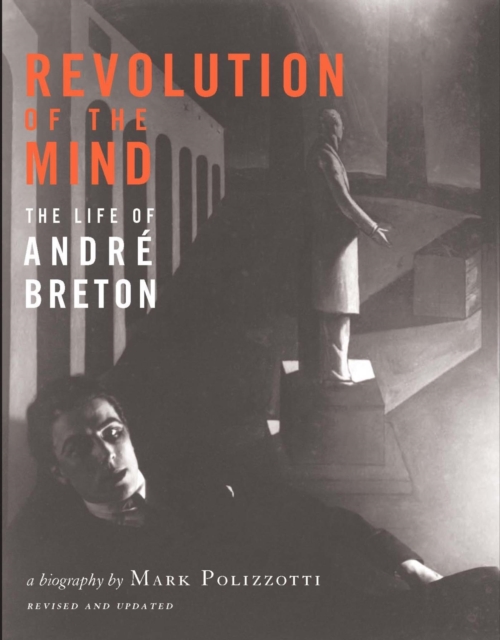
The first major biography in English of Surrealism's founder traces his participation in the Paris Dada group in the 1920s, his seminal experiments with automatic writing, his role in the development of Surrealism, and his encounters with Duchamp, Freud, and Sartre.
David Miller elegantly and provocatively reformulates critical rationalismthe revolutionary approach to epistemology advocated by Karl Popperby answering its most important critics.