Spinoza quiere acabar con el misterio que rodea la razón o que le subyace, misterio que hace afirmar a Descartes en la Meditación tercera: "es propio de la naturaleza del infinito que mi naturaleza, que es infinita y limitada, no pueda comprenderlo".
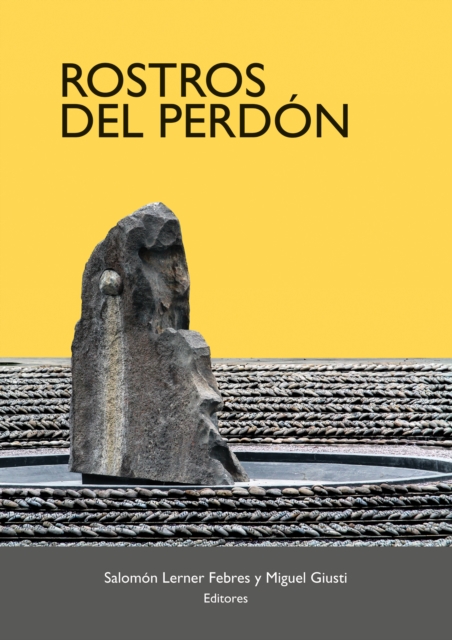
En los últimos años, el concepto de "perdón" ha adquirido una relevancia especial en el ámbito jurídico de las negociaciones y los acuerdos de paz luego de un conflicto violento.
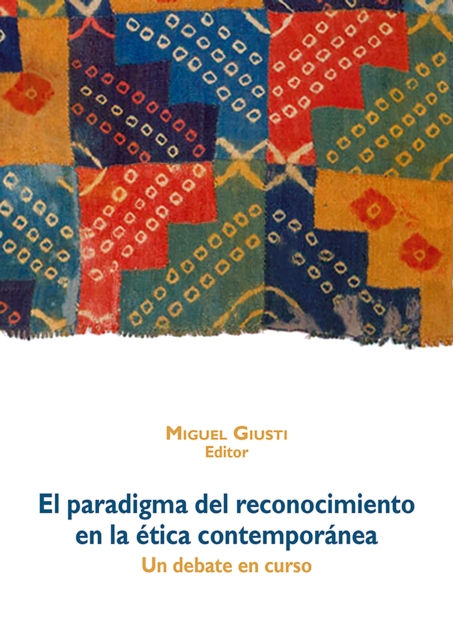
El concepto de reconocimiento ha adquirido una sorprendente y amplia difusión en los debates recientes de la ética y la filosofía política, debido sobre todo a que con él se alude a una fuente continua de discriminación o a una motivación reivindicatoria de la identidad y de los derechos de los individuos como miembros de una cultura, una subcultura o un colectivo.
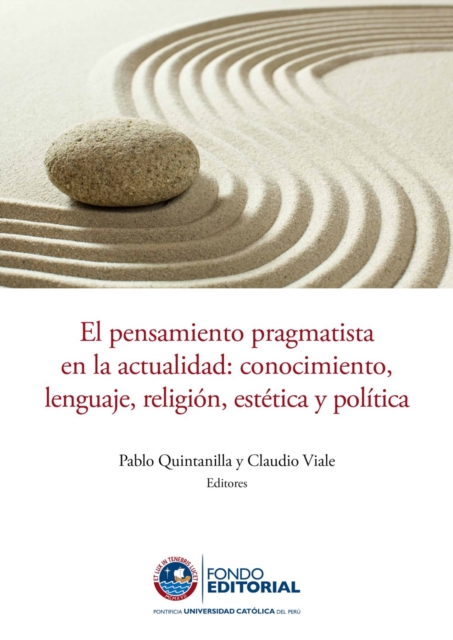
Análisis y evaluación de la vigencia del pragmatismo en los distintos terrenos en los que ha trascendido, pero sin dejar de lado las raíces históricas de las que se nutre.
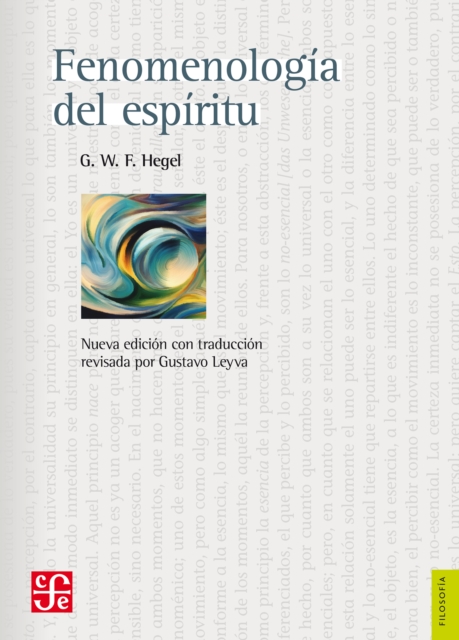
Esta nueva edición de "Fenomenología del espíritu", bajo el cuidado de Gustavo Leyva, contiene una serie de elementos, (como una bibliografía actualizada, un glosario alemán-español, tablas de concordancias y un postfacio) que, sumados a una cuidadosa revisión de la traducción de Wenceslao Roces y Ricardo Guerra, conforman una versión revisada, corregida y actualizada de un clásico de la filosofía moderna, con la cual se conmemoran los 50 años de la primera edición al español, publicada por el FCE.
Invitación a la relectura de Kant, Clausewitz, Marx, Engels y Tolstoi a partir del hecho de que, en su momento, cada uno de ellos contribuyó con su punto de vista a desarrollar un sistema de crítica hacia la paz y hacia la guerra.
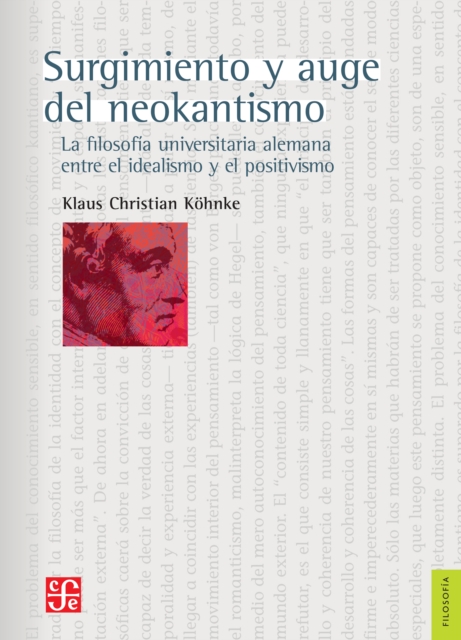
Este texto trata de revisar críticamente las fuentes documentales relativas a la cuestión histórica de cómo surgió el neokantismo y qué condujo o contribuyó a su expansión.
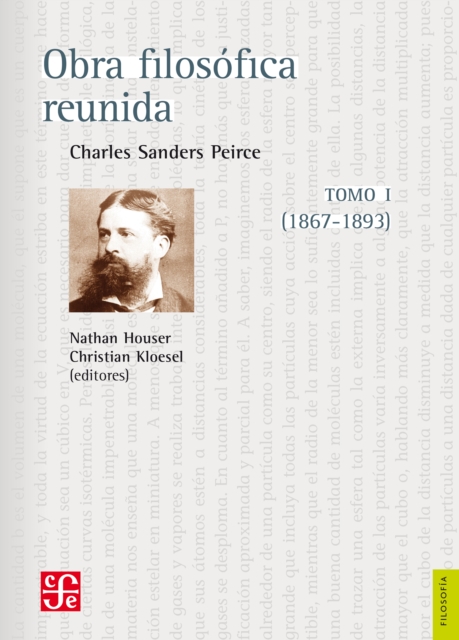
Edición crítica que expone de manera cabal y cronológica las ideas centrales de la filosofía de Charles Sanders Peirce, el mejor exponente del pragmatismo y la semiótica del siglo XIX.
Fragmentos de Frankfurt trata de recuperar el impulso original de la Teoría crítica en cinco ensayos en torno al pensamiento de Horkheimer, Adorno, Benjamin, Marcuse y la historia posterior del Institut für Sozialforschung, fundado en 1922, retomando y reinterpretando, en el contexto del siglo XXI, sus conceptos de modernidad, identidad, Estado, historia, dialéctica y el antisemitismo como expresión de los límites de la ilustración.
Beyond Good and Evil:Prelude to a Philosophy of the Future (German: Jenseits von Gut und Bose: Vorspiel einer Philosophie der Zukunft) is a book by philosopher Friedrich Nietzsche that expands the ideas of his previous work, Thus Spoke Zarathustra, with a more critical and polemical approach.
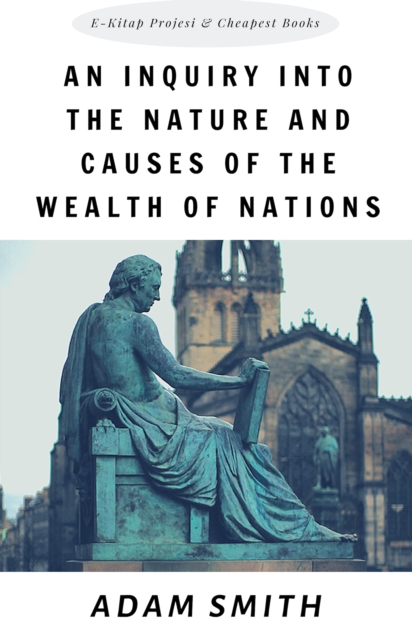
An Inquiry into the Nature and Causes of the Wealth of Nations, generally referred to by its shortened title The Wealth of Nations, is the magnum opus of the Scottish economist and moral philosopher Adam Smith.
After the conclusion of a stormy engagement with her reckless and selfish cousin George, Alice Vavasor, a young woman with an independent fortune, engaged herself to a country gentleman, John Grey.
First published in 1989, Overcoming Foundations offers a challenge to both postmodernism and traditional doctrines of knowledge and value by undertaking a systematic philosophy without foundations.
Autor Winfried Schlotter gibt in seinem Ratgeber eine persönliche Antwort auf die existenziellen Fragen des Menschen und berücksichtigt dabei den heutigen Stand der naturwissenschaftlichen Erkenntnisse.
On Liberty John Stuart Mill - Published in 1859, John Stuart Mill's On Liberty presented one of the most eloquent defenses of individual freedom in nineteenth-century social and political philosophy and is today perhaps the most widely-read liberal argument in support of the value of liberty.
Die Ratten: Berliner Tragikomödie Gerhart Hauptmann - Schauplatz der 1911 erschienenen Tragikkomödie Die Ratten ist eine ehemalige Berliner Kavaleriekaserne, in der Theaterdirektor Hassenreuter seinen Kostümfundus untergebracht hat.
The Analects Confucius - 'The Master said, "e;If a man sets his heart on benevolence, he will be free from evil"e;'The Analects are a collection of Confucius's sayings brought together by his pupils shortly after his death in 497 BC.
The Categories Aristotle - Categories is a text from Aristotle's Organon that enumerates all the possible kinds of things that can be the subject or the predicate of a proposition.
On the Soul Aristotle - Written in 350 BC, Aristotles De Anima or On the Soul is not a work on spirituality, as the title would suggest, but rather a work that could be described as one of biopsychology, or a work on the subject of psychology from a biological perspective.
Frau Jenny Treibel: Roman aus der Berliner Gesellschaft Theodor Fontane - Frau Jenny Treibel oder "Wo sich Herz zum Herzen find't" ist ein Roman Theodor Fontanes.
The Temptation of Saint Anthony Gustave Flaubert - "e;The Temptation of Saint Anthony (Historical Novel)"e; is formatted for your eReader with a functional and detailed table of contents.
Metaphysics Aristotle - Metaphysics is one of the principal works of Aristotle and the first major work of the branch of philosophy with the same name.
Die Liebe der Erika Ewald: Novellen Stefan Zweig - Die Liebe der Erika Ewald ist eine Erzählung des österreichischen Autors Stefan Zweig, erschienen 1904.
Letters on England Voltaire - Letters on the English (or Letters Concerning the English Nation; French: Lettres philosophiques) is a series of essays written by Voltaire based on his experiences living in England between 1726 and 1729 (though from 1707 the country was part of the Kingdom of Great Britain).
Lohengrin Unbekannt - Über dem Lande Brabant, wo der Scheldestrom sich mit dem Rhein ins weite Nordmeer ergießt, lastete tiefe Trauer, denn Herzog Gottfried, der weise und gerechte Herrscher, lag im Sterben.
Die Philosophie der Freiheit: Grundzüge einer modernen Weltanschauung Rudolf Steiner - In seinem philosophischen Hauptwerk, das zugleich Fundament der anthroposophischen Geisteswissenschaft ist, setzt sich Rudolf Steiner mit Grundfragen des Erkenntnisprozesses und der Ethik auseinander.
Friedrich Nietzsche: Ein Kämpfer gegen seine Zeit - Rudolf Steiner - "Dies ist der Grund, warum ich mich gedrängt fühlte, ein Bild von dem Vorstellungs- und Empfindungsleben Nietzsches zu zeichnen.
Utopia - Thomas Morus - Thomas Morus Utopia | Neu lektorierte 2020er-Ausgabe, mit modernisierter Rechtschreibung, voll verlinkt und mit einem aktuellen Vorwort des HerausgebersDieses Buch hat gewaltige Wirkung hinterlassen.
Siddhartha Hermann Hesse - Siddhartha, die Legende von der Selbstbefreiung eines jungen Menschen aus familiärer und gesellschaftlicher Fremdbestimmung zu einem selbständigen Leben, zeigt, dass Erkenntnis nicht durch Lehren zu vermitteln ist, sondern nur durch eigene Erfahrung erworben werden kann.