CÓMO ENTENDER HOY UNA FILOSOFÍA MILENARIA, JUSTA, COMPRENSIVA Y ALENTADORATomando como punto de partida el género latino de la consolatio, Antonio Cascón Dorado nos propone acercarnos al estoicismo romano y, en concreto, a la forma de afrontar la muerte y la pérdida de un ser querido.
Although most historians have sought the roots of atheism in the history of "e;free thought,"e; Alan Charles Kors contends that attacks on the existence of God were generated above all by the vitality and controversies of orthodox theistic culture itself.
A grimly entertaining anthology of ancient Greek and Roman writings about how to fearlessly prepare for the end of the world and other disastersA remarkable percentage of people believe we are living in the end times, according to pollsters.
A grimly entertaining anthology of ancient Greek and Roman writings about how to fearlessly prepare for the end of the world and other disastersA remarkable percentage of people believe we are living in the end times, according to pollsters.
In this volume Donald Munro, author of important studies on early and contemporary China, provides a critical analysis of the doctrines of the Sung Neo-Confucian philosopher Chu Hsi (1130-1200).
Der Autor präsentiert, nach mehreren gemeinschaftlichen und eigenen Vorstudien zur historisch-kritischen Aufarbeitung der DDR-Philosophie, eine abschließende, historisch-systematische Gesamtdarstellung derselben.
Der Autor präsentiert, nach mehreren gemeinschaftlichen und eigenen Vorstudien zur historisch-kritischen Aufarbeitung der DDR-Philosophie, eine abschließende, historisch-systematische Gesamtdarstellung derselben.
Students of the Enlightenment have long assumed that the major movement towards atheism in the Ancien Regime was centered in the circle of intellectuals who met at the home of Baron d'Holbach during the last half of the eighteenth century.
Written over a century ago when Japan was abandoning its rich traditions to embrace the hysteria of colonization, this classic written by Okakura Kakuzo helped preserve the masterpieces of Japanese art and culture by illuminating the spirit of the Japanese Tea Masters.
By the mid-1600s, the commonsense, manifest picture of the world associated with Aristotle had been undermined by skeptical arguments on the one hand and by the rise of the New Science on the other.
This book focusses on Nietzsche's Der Antichrist as the first part of Nietzsche's planned four volume work (which was never completed) and explores how situating it in this way affects our understanding of Der Antichrist and The Revaluation of All Values, as well as of Nietzsche’s late philosophy more generally.
This book focusses on Nietzsche's Der Antichrist as the first part of Nietzsche's planned four volume work (which was never completed) and explores how situating it in this way affects our understanding of Der Antichrist and The Revaluation of All Values, as well as of Nietzsche’s late philosophy more generally.
Sammelband aus dem Jahr 2024 im Fachbereich Philosophie - Epochenübergreifende Abhandlungen, , Sprache: Deutsch, Abstract: Dieser Sammelband beinhaltet zwei Hausarbeiten und eine Bachelorarbeit.
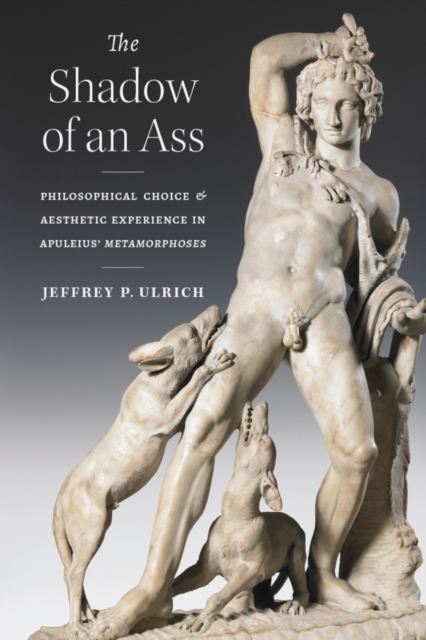
Jeffrey Ulrich's The Shadow of an Ass addresses fundamental questions about the reception and aesthetic experience of Apuleius' Metamorphoses, popularly known as The Golden Ass, by situating the novel in a contemporaneous literary and philosophical discourse emerging in the Second Sophistic.
"e;The focus of any genuinely new piece of criticism or interpretation must be on the creative act of finding the new, but deconstruction puts the matter the other way around: its emphasis is on debunking the old.
In 2008, the Chinese government cracked down on protests throughout Tibet, and journalist Amy Yee found herself covering a press conference with the Dalai Lama in Dharamsala, his exile home in India.
Studienarbeit aus dem Jahr 2022 im Fachbereich Philosophie - Philosophie der Gegenwart, , Sprache: Deutsch, Abstract: In der vorliegenden Arbeit will ich die als negativ einzustufenden psychologischen und gesellschaftlichen Folgen des zunehmenden Gebrauchs von Smartphones besprechen, und hierbei im Besonderen den Blick auf deren Benutzung zur Verwendung digitaler Medien wie Social-Media-Apps konzentrieren.
Studienarbeit aus dem Jahr 2025 im Fachbereich Philosophie - Philosophie der Antike, Note: 1,7, Hochschule für Philosophie München, Veranstaltung: Politeia.
This volume presents up-to-date insights into the ethical theories of Aristotle's followers, beginning with his colleagues Theophrastus and Eudemus and covering a broad range of figures, topics and applications up to the Imperial Roman period.
Studienarbeit aus dem Jahr 2022 im Fachbereich Philosophie - Philosophie der Gegenwart, Note: 1,0, Martin-Luther-Universität Halle-Wittenberg (Philosophie), Veranstaltung: Aufbaumodul Praktische Philosophie: Systematik, Sprache: Deutsch, Abstract: Das Hauptanliegen dieser Arbeit ist es, den rortianischen Begriff der Gerechtigkeit in dem Essay "Gerechtigkeit als erweiterte Loyalität" (1997) in seiner Herleitung zu rekonstruieren, zu spezifizieren und zu diskutieren – unter Berücksichtigung von Rortys philosophischer Position hinsichtlich der Frage nach Nutzen und Grenzen des Begriffs.
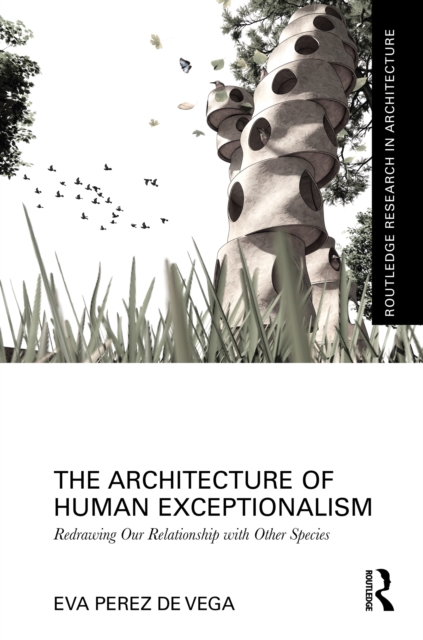
This book challenges the assumption that architecture is a human-centered endeavor and calls for a fundamental shift in how we engage with the built environment.
Armstrong suggests that Jamess perspective is essentially phenomenological that his understanding of the process of knowing, the art of fiction, and experience as a whole coincides in important ways with the ideas of the leading phenomenologists.
This volume presents up-to-date insights into the ethical theories of Aristotle's followers, beginning with his colleagues Theophrastus and Eudemus and covering a broad range of figures, topics and applications up to the Imperial Roman period.
This book challenges the assumption that architecture is a human-centered endeavor and calls for a fundamental shift in how we engage with the built environment.
This volume examines the similarities between the Indian and Latin American philosophical traditions while also highlighting how these similarities have materialized differently in the Indian or in the Latin American context.
Forschungsarbeit aus dem Jahr 2024 im Fachbereich Philosophie - Philosophie außerhalb der abendländischen Tradition, Alpen-Adria-Universität Klagenfurt (Universitätsbibliothek), Veranstaltung: Arbeitskreis, Sprache: Deutsch, Abstract: Weltflucht ist nicht das Ziel buddhistischen Strebens als eigentlichem religiösem Streben.
This volume examines the similarities between the Indian and Latin American philosophical traditions while also highlighting how these similarities have materialized differently in the Indian or in the Latin American context.
Studienarbeit aus dem Jahr 2020 im Fachbereich Philosophie - Philosophie der Antike, Note: 1,3, Christian-Albrechts-Universität Kiel, Sprache: Deutsch, Abstract: Der Begriff der Liebe stand noch nie so sehr in der Diskussion wie in der heutigen Gesellschaft.
Masterarbeit aus dem Jahr 2024 im Fachbereich Philosophie - Philosophie der Gegenwart, Note: 2,5, Universität Paderborn (Institut für Humanwissenschaften), Sprache: Deutsch, Abstract: Diese Arbeit geht umstrittenen Dilemmata nach und erkundet die Schutzbedürftigkeit von Tieren in unserer Gesellschaft.