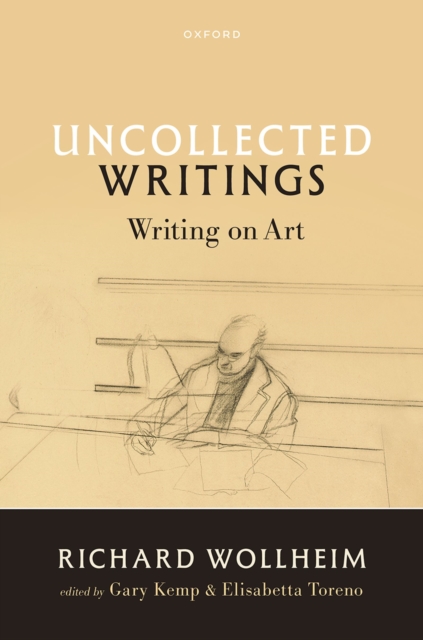
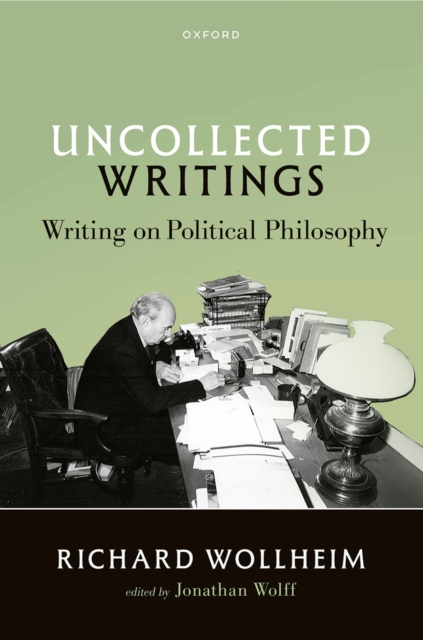
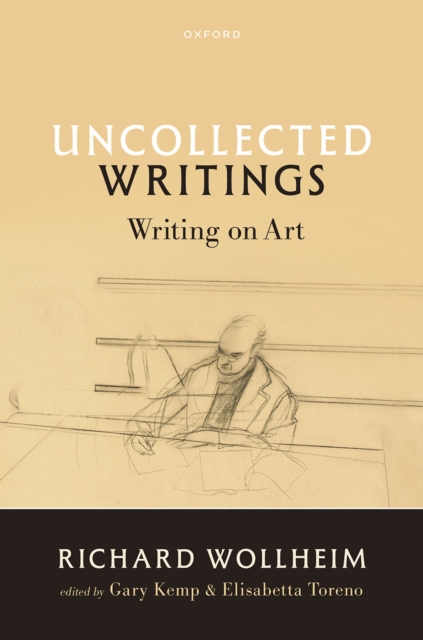
Richard Wollheim's (1923-2003) was the leading voice in the philosophy of art in the Anglo-American tradition during the second half of the twentieth century.
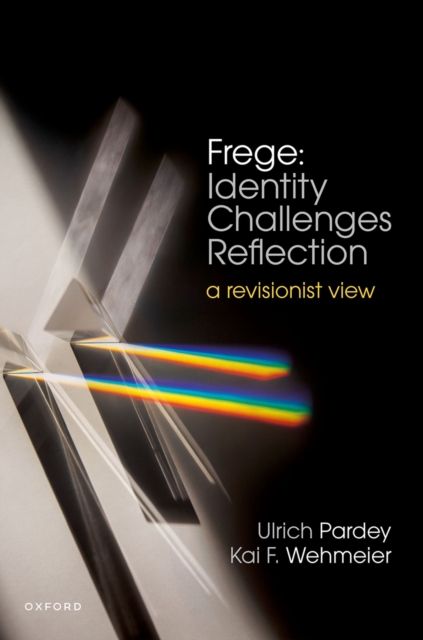
The received view of identity takes it to be a binary relation between objects like many others: specifically, identity is thought to be the binary relation every object bears to itself and to no others.
In All Things Act, Mercedes Valmisa argues that there is no such thing as an individual action and that all actions are constituted and performed by a diverse array of entities.
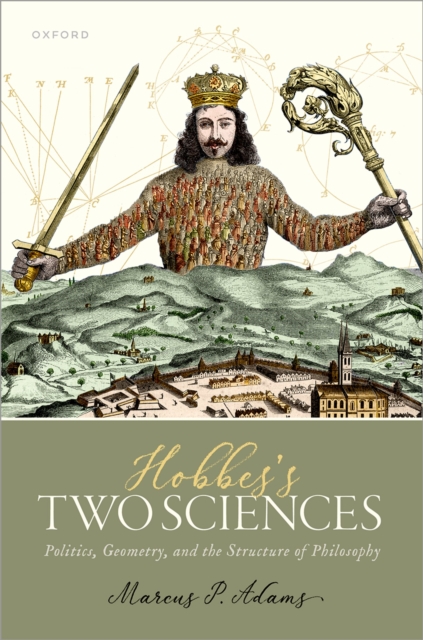
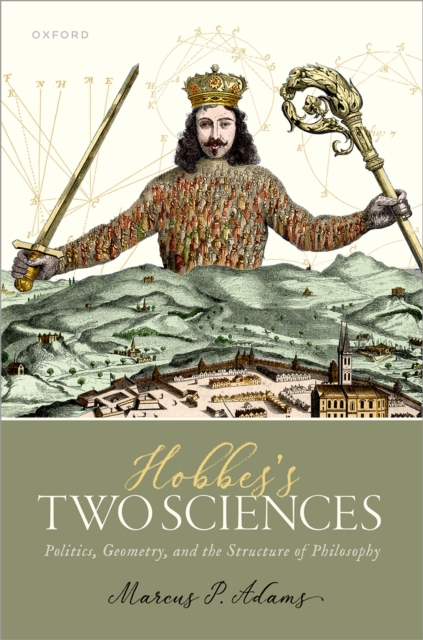
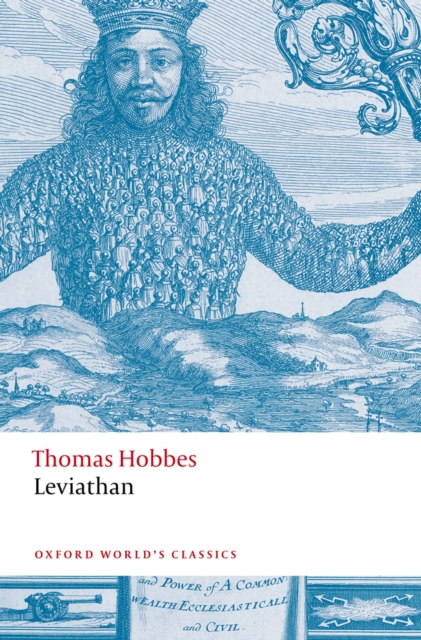
Seventeenth-Century Thinker Thomas Hobbes maintained that his philosophy constituted a unified system, but in what precise sense did he think that the branches of his philosophy were unified?
Oxford Studies in Early Modern Philosophy is an annual series, presenting a selection of the best current work in the history of early modern philosophy.
Oxford Studies in Early Modern Philosophy is an annual series, presenting a selection of the best current work in the history of early modern philosophy.
These new translations present Plato's remarkable dramatization of the momentous events surrounding the trial of Socrates in 399 BC, on charges of irreligion and corrupting the young.
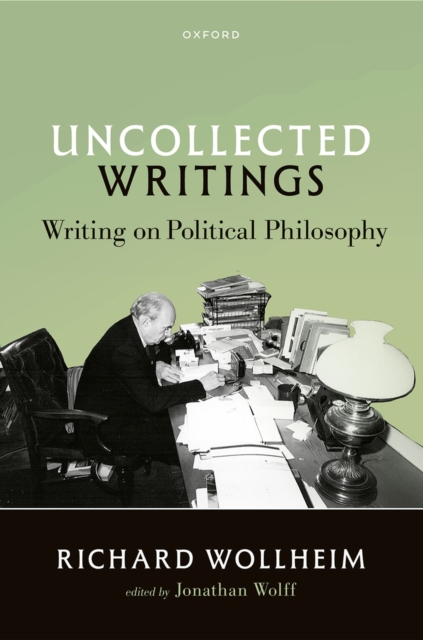
Richard Wollheim (1923-2003)is best known as a path-breaking philosopher of art and of mind, but his work on political philosophy is a major third strand of his writing.
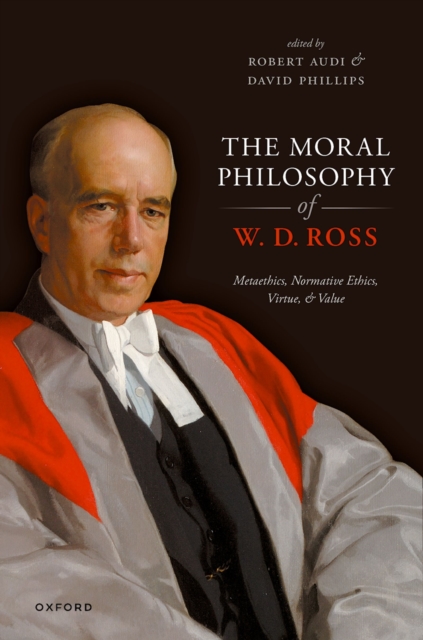
This volume not only explores Ross's moral philosophy and ethical theories, but also his aesthetics, intuitionist epistemology, metaphysics, and applied ethics.
Seventeenth-Century Thinker Thomas Hobbes maintained that his philosophy constituted a unified system, but in what precise sense did he think that the branches of his philosophy were unified?
Richard Wollheim (1923-2003)is best known as a path-breaking philosopher of art and of mind, but his work on political philosophy is a major third strand of his writing.
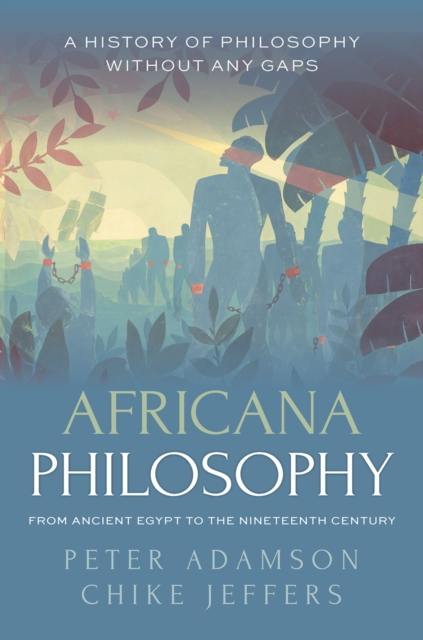
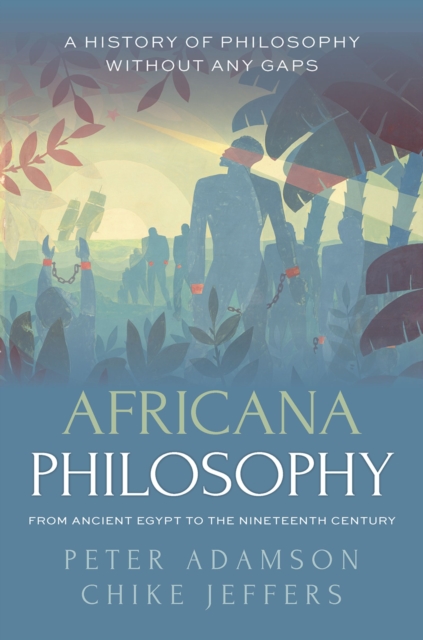
In this latest instalment of the series A History of Philosophy Without Any Gaps, Peter Adamson and Chike Jeffers delve into the fascinating world of Africana Philosophy.
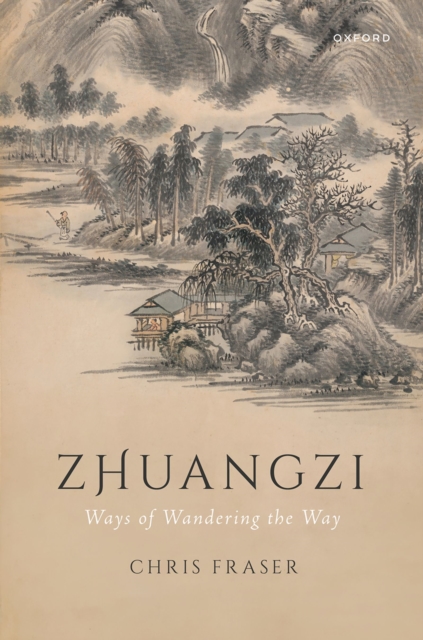
Zhuangzi: Ways of Wandering the Way presents a richly detailed, philosophically informed interpretation of the personal and interpersonal ethics found in the Daoist classic Zhuangzi, introducing a unique Daoist approach to ethics focusing on the concept of a way and our capacity for following ways.
Gottfried Wilhelm Leibniz (1646-1716) is famous in mathematics predominantly for his invention of the differential calculus, and in philosophy for his metaphysics of monads and system of pre-established harmony.
Gottfried Wilhelm Leibniz (1646-1716) is famous in mathematics predominantly for his invention of the differential calculus, and in philosophy for his metaphysics of monads and system of pre-established harmony.
The received view of identity takes it to be a binary relation between objects like many others: specifically, identity is thought to be the binary relation every object bears to itself and to no others.
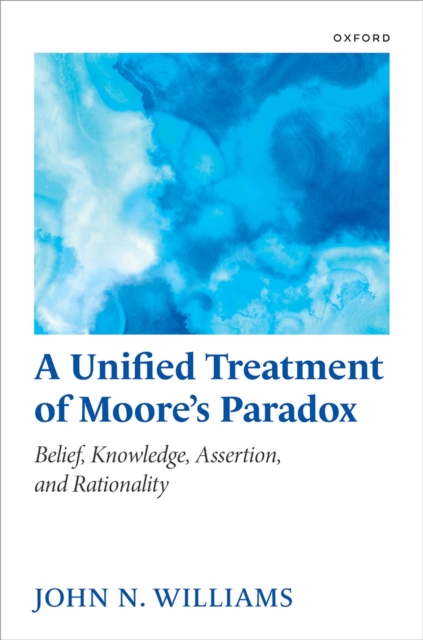
A Unified Treatment of Moore's Paradox is the culmination of a decades-long engagement with Moore's paradox by the world's leading authority on the subject, the late John Williams.
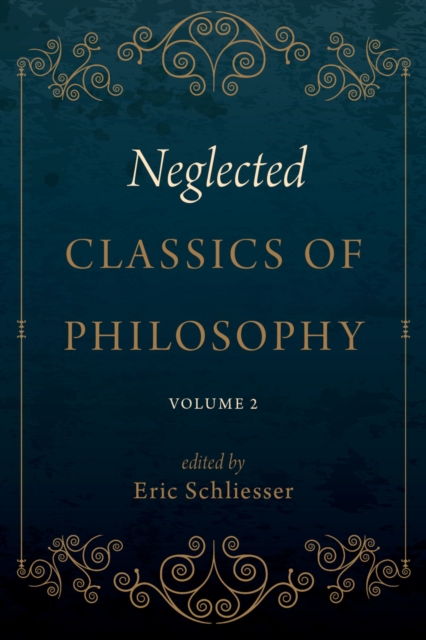
The prominent contributors to this edited volume were asked to discuss neglected classic works in both Western and non-Western philosophy, and to make a case for their contemporary importance in an accessible and inviting way.
The prominent contributors to this edited volume were asked to discuss neglected classic works in both Western and non-Western philosophy, and to make a case for their contemporary importance in an accessible and inviting way.
The aim of Kant's Order of Reason is to give an account of Kant's conception of rational agency that clarifies and explains both the scope and nature of such activity, and elucidates the centrality of Kant's account of rational determination for his mature critical philosophy.
In this latest instalment of the series A History of Philosophy Without Any Gaps, Peter Adamson and Chike Jeffers delve into the fascinating world of Africana Philosophy.
Richard Wollheim's (1923-2003) was the leading voice in the philosophy of art in the Anglo-American tradition during the second half of the twentieth century.
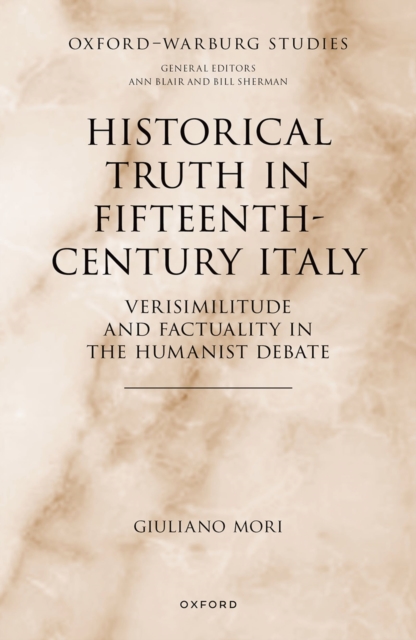
While humanists agreed on identifying the main requirement of the historical genre with truthfulness, they disagreed on their notions of historical truth.
The writings of ancient and medieval Christian mystics were rediscovered in the twentieth century, and today they are read more widely than ever before.