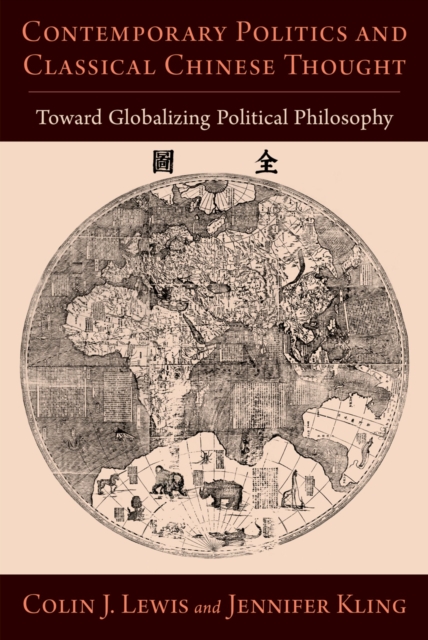
Current approaches to contemporary political philosophy are disproportionately western, and the need for more diverse and global perspectives is urgent.
This book offers a comprehensive study of the history of the Liar Paradox in the Islamic philosophical tradition up to the 15th century, including the first complete English translation of Jalal al-Din al-Dawani's treatise, Final Word.
This book offers a comprehensive study of the history of the Liar Paradox in the Islamic philosophical tradition up to the 15th century, including the first complete English translation of Jalal al-Din al-Dawani's treatise, Final Word.
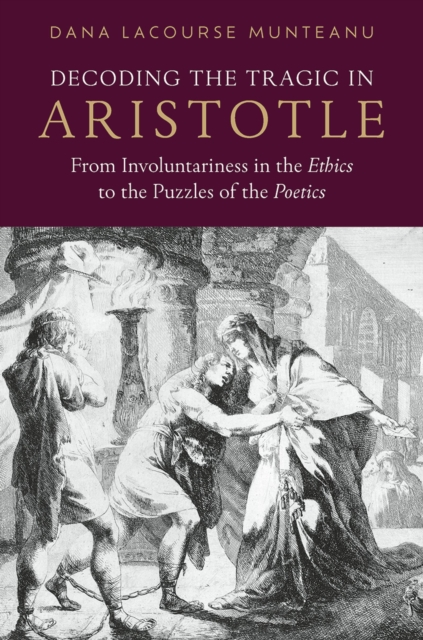
Decoding the Tragic in Aristotle posits that a specific form of involuntary action lies at the heart of Aristotle's conception of the tragic-a point that remains unexplained in the Poetics.
Decoding the Tragic in Aristotle posits that a specific form of involuntary action lies at the heart of Aristotle's conception of the tragic-a point that remains unexplained in the Poetics.
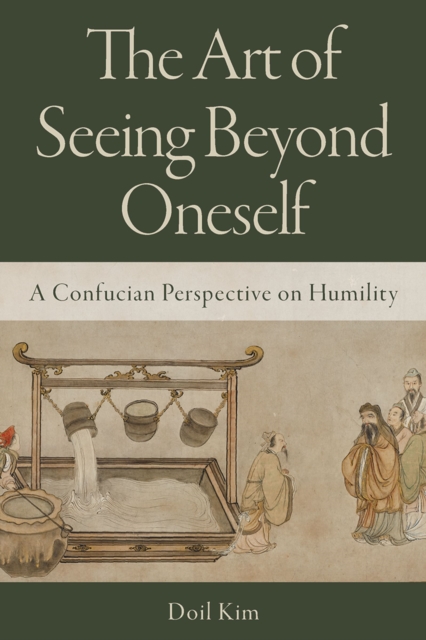
In an age of relentless competition, self-branding, and growing social isolation, we face a pressing question: how can we stop seeing only ourselves and start seeing others?
This volume contains Carnap's Studies in Semantics, a series of three interlocking books: Introduction to Semantics (1942), Formalization of Logic (1942), and Meaning and Necessity (1947).
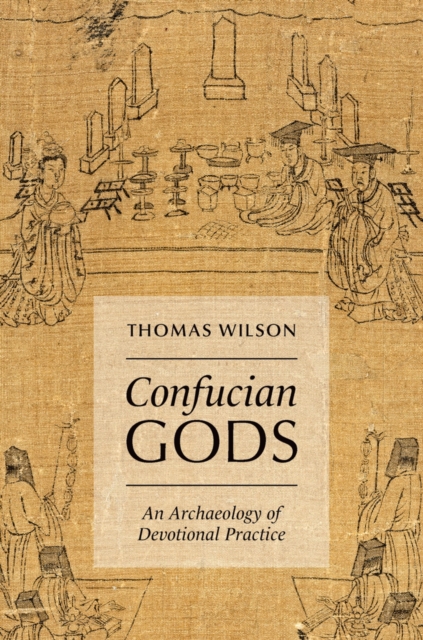
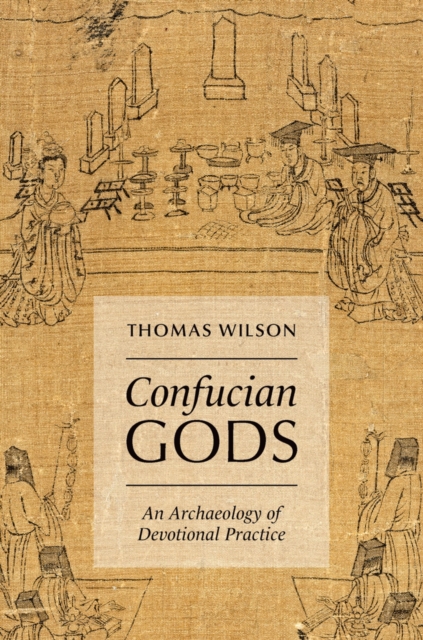
Confucian Gods offers an intellectual history of Confucian conceptions of the gods found in the Classics and feasted by the imperial court until the early twentieth century.
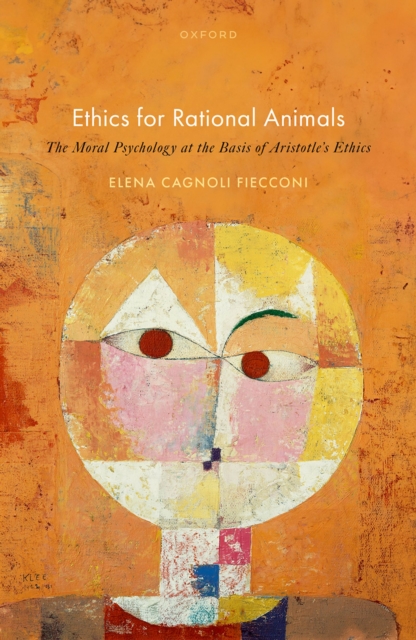
Ethics for Rational Animals brings to light a novel account of akrasia, practical wisdom, and character virtue through an original and comprehensive study of the moral psychology at the basis of Aristotle's ethics.
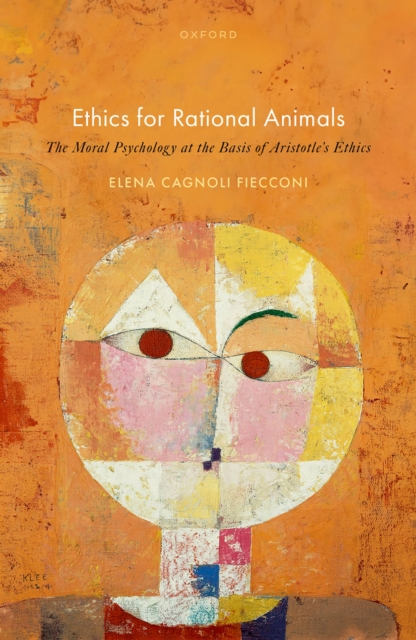
Ethics for Rational Animals brings to light a novel account of akrasia, practical wisdom, and character virtue through an original and comprehensive study of the moral psychology at the basis of Aristotle's ethics.
Originally published in French, this English edition translated by Jacques Bidet offers a rigorous and interdisciplinary reading of Capital, challenging dominant mainstream interpretations that overlook Marx's critique of capitalist society.
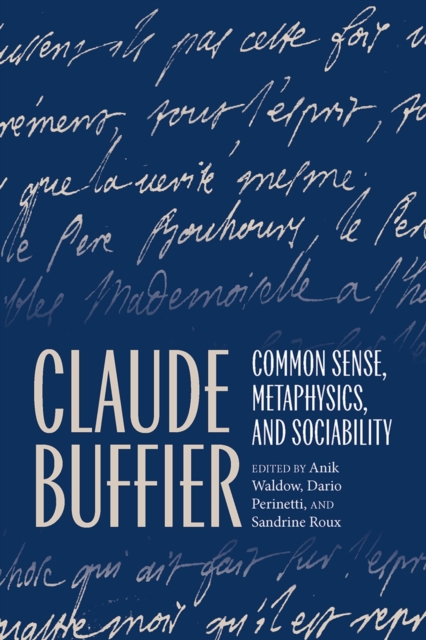
Claude Buffier: Common Sense, Metaphysics, and Sociability ventures into the largely unexplored territory of his philosophical contributions to early modern thought, unlocking the complexity of his ideas while situating him within the broader context of seventeenth- and eighteenth-century philosophy.
Claude Buffier: Common Sense, Metaphysics, and Sociability ventures into the largely unexplored territory of his philosophical contributions to early modern thought, unlocking the complexity of his ideas while situating him within the broader context of seventeenth- and eighteenth-century philosophy.
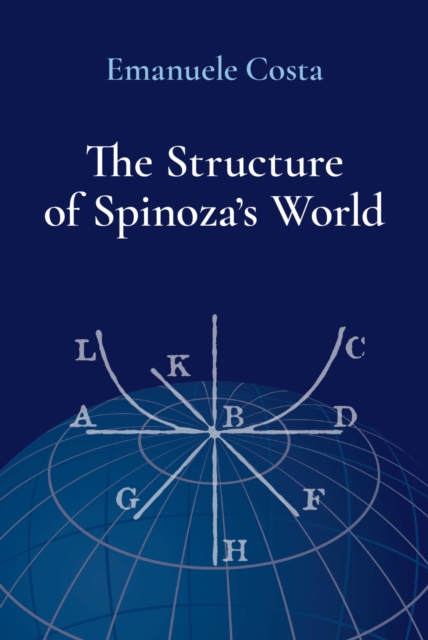
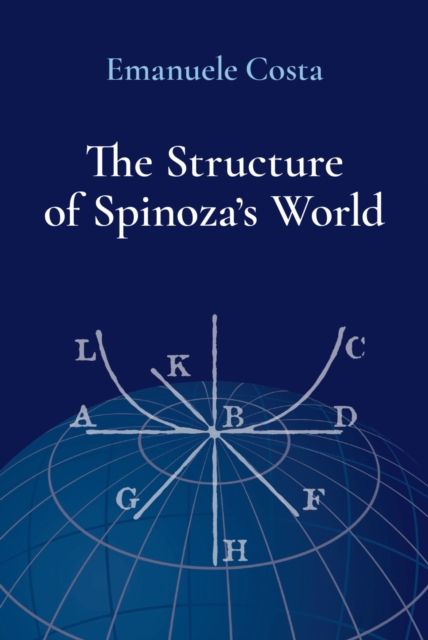
The Structure of Spinoza's World intervenes in the very lively debate regarding how Spinoza can think that we live in a world populated by one being: God.
Despite recent developments in the history of emotions and in comparative studies, sustained cross-cultural comparative studies of the emotions remain few and far between.
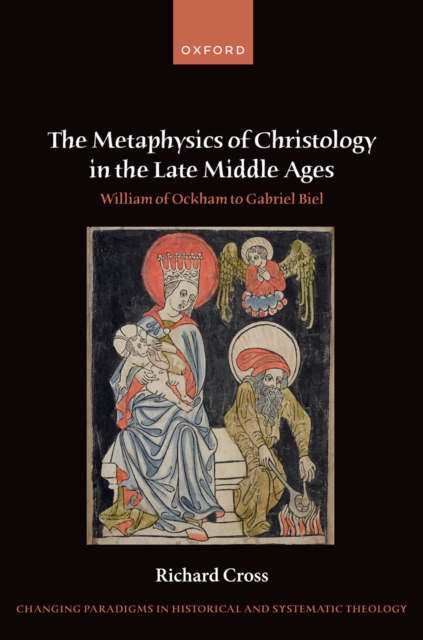
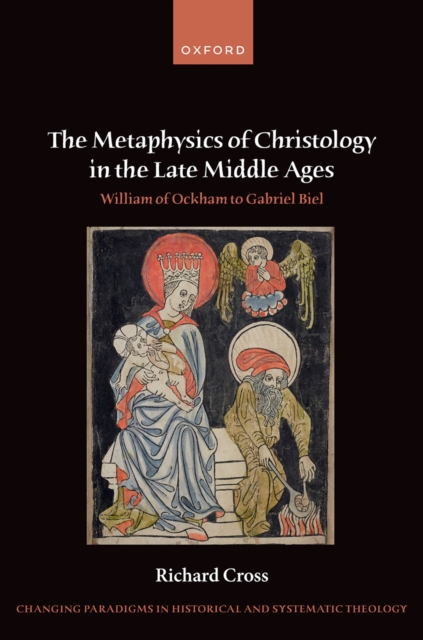
The late middle ages was a period of great speculative innovation in Christology, within the framework of a standard Christological opinion established by the Franciscan John Duns Scotus and the Dominican Hervaeus Natalis.
The Structure of Spinoza's World intervenes in the very lively debate regarding how Spinoza can think that we live in a world populated by one being: God.
The late middle ages was a period of great speculative innovation in Christology, within the framework of a standard Christological opinion established by the Franciscan John Duns Scotus and the Dominican Hervaeus Natalis.
Confucian Gods offers an intellectual history of Confucian conceptions of the gods found in the Classics and feasted by the imperial court until the early twentieth century.
This volume contains Carnap's Studies in Semantics, a series of three interlocking books: Introduction to Semantics (1942), Formalization of Logic (1942), and Meaning and Necessity (1947).
Despite his short life, Friedrich von Hardenberg (otherwise known as Novalis, 1772-1801) was one of the most original and polymathic figures of the early Romantic movement in Germany.
Despite his short life, Friedrich von Hardenberg (otherwise known as Novalis, 1772-1801) was one of the most original and polymathic figures of the early Romantic movement in Germany.
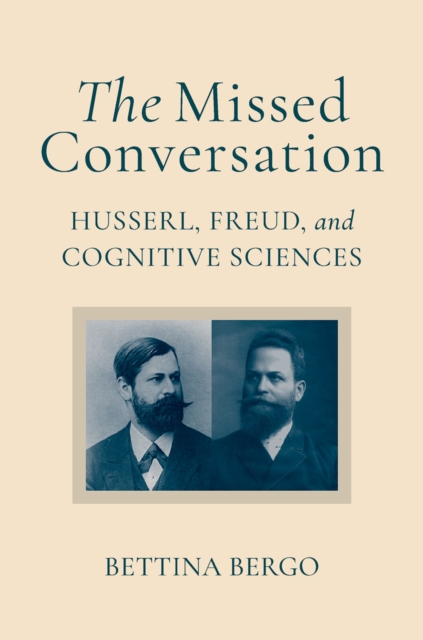
Recent debates on phenomenal consciousness have shown renewed interest for the idea that experience generally includes an experience of the self--a self-experience--whatever else it may present the self with.