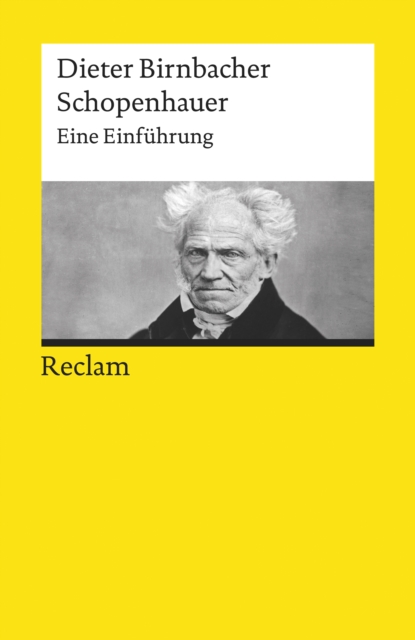
Nietzsche erklärte ihn zu seinem Lehrer: Arthur Schopenhauer (1788–1860) ist ein Denker des Übergangs, denn kein anderer Philosoph hat mit vergleichbarer Radikalität den optimistischen Grundzug der großen metaphysischen Systeme des Westens durchschaut und als realitätsfremd kritisiert.
Was haben das Verschwinden von Apfelsorten, das Auftreten von Politikern in Talkshows, religiöser Fundamentalismus und der Kunst- und Musikmarkt miteinander gemeinsam?
Hegel im verdrahteten Gehirn: Slavoj Žižeks provokative Betrachtung unserer Gegenwart durch die Linse eines Philosophen der VergangenheitHegel mag veraltet sein, doch gerade deshalb, so argumentiert Slavoj Žižek, können wir durch seine Perspektive die Gegenwart besser verstehen.
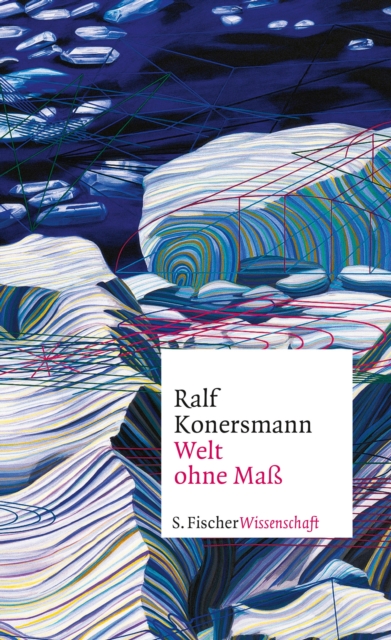
Welt ohne Maß: Eine faszinierende Ideengeschichte über das Verhältnis von Maß und Maßen, Ethik und TechnikIn seinem Buch Welt ohne Maß zeigt der renommierte Kieler Kulturphilosoph Ralf Konersmann, wie in der europäischen Geschichte Maß und Maße, Ethik und Technik, Moral und Wissen stets zwei Seiten ein und derselben Medaille waren.
»Michael Kempe hat die Leibniz-Biographie für unsere Zeit geschrieben: Sieben ausgewählte Tage, die für das Ganze stehen, sieben Facetten eines großen und widersprüchlichen Bildes«, schreibt Daniel Kehlmann zu diesem Buch über das große deutsche Universalgenie Gottfried Wilhelm Leibniz (1646–1716).
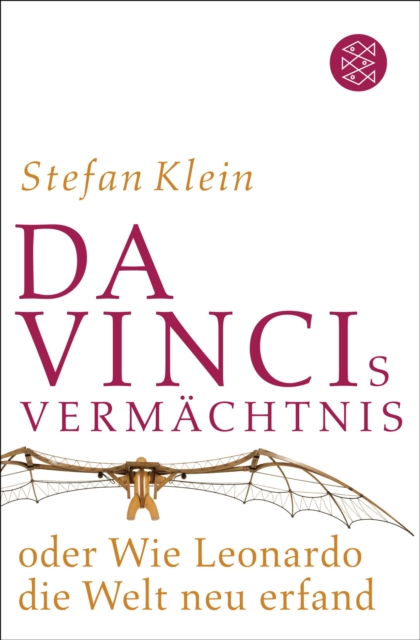
Leonardo da Vinci war ein furchtloser Geist, der auf einzigartige Weise in der Lage war, Verbindungen zwischen zwei ganz verschiedenen Wissensgebieten zu ziehen.
Das Vademecum der LebenskunstNach dem großen Erfolg von Robert Pfallers Studie ›Wofür es sich zu leben lohnt‹ sind in dem vorliegenden Band alle Interviews in Originalfassung versammelt, die rund um die Themen dieses philosophischen Bestsellers kreisen: Genuss und Verbot, Rauchen und Neoliberalismus, Glück, Neid und – natürlich – die Liebe.
Wie aus Jägern Sportler wurdenBei aller Ähnlichkeit zu den uns nahestehenden Tierarten ist der Mensch doch das einzige Lebewesen, das gewinnen will nur um des Gewinnens willen.
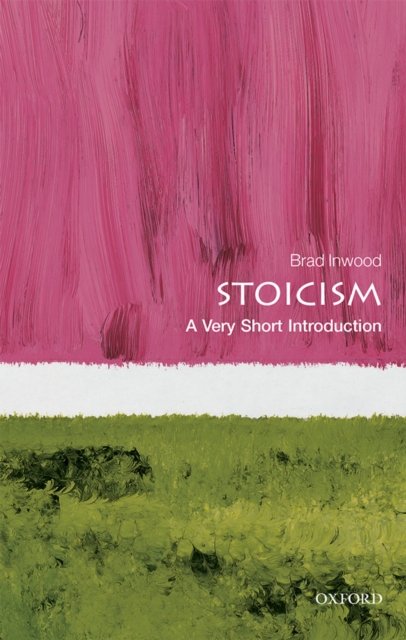
Stoicism is two things: a long past philosophical school of ancient Greece and Rome, and an enduring philosophical movement that still inspires people in the twenty-first century to re-think and re-organize their lives in order to achieve personal satisfaction.
Tauchen Sie ein in die faszinierende Welt der ägyptischen Pyramiden und entdecken Sie die verborgenen Geheimnisse hinter diesen monumentalen Bauwerken.
In ›Die Erfindung der Philosophie‹ erkunden wir die faszinierende Reise des menschlichen Geistes von den mythischen Erklärungen der Welt zur rationalen Untersuchung und Reflexion, die wir heute als Philosophie kennen.
This book was written out of a sense of hopefulness; a sense that there is an answer to the perennial question asked by members of our species: Is there a state of mind which I can attain which will make my life wonderful, a joy to live?
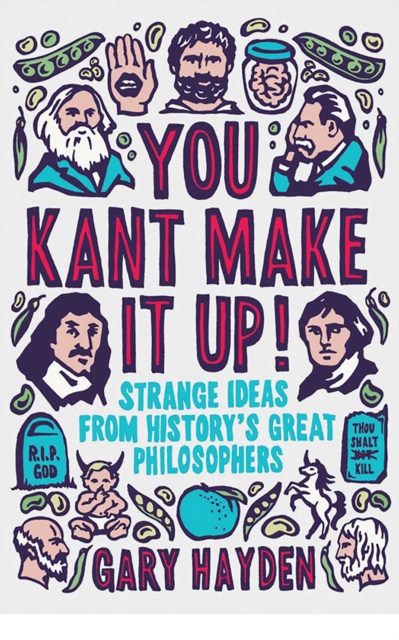
Drawing on the writings of the great philosophers, You Kant Make it Up sends the reader on thrilling, non-stop tour of their most outrageous and counter-intuitive conclusions.