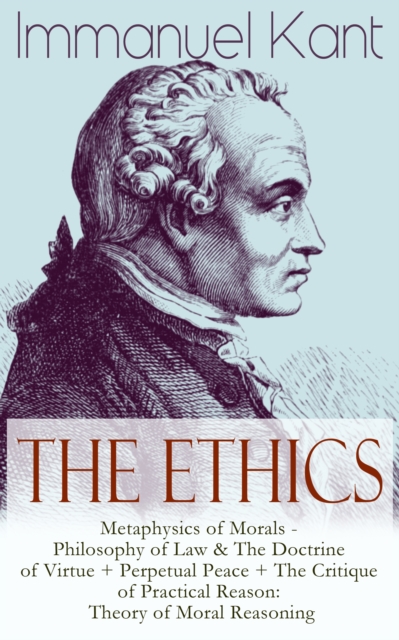
This carefully crafted ebook: "e;The Ethics of Immanuel Kant: Metaphysics of Morals - Philosophy of Law & The Doctrine of Virtue + Perpetual Peace + The Critique of Practical Reason: Theory of Moral Reasoning"e; is formatted for your eReader with a functional and detailed table of contents.
Wall Street Journal BestsellerHave you ever wondered why we spend so much time and energy thinking about the big challenges in our lives when all the evidence proves it's actually the little things that change everything?
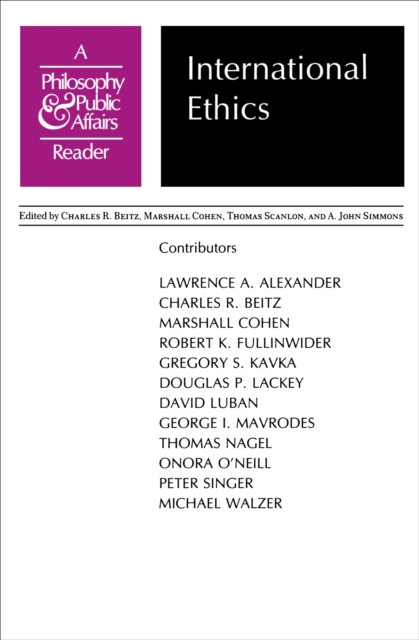
This book is comprised of essays previously published in Philosophy & Public Affairs and also an extended excerpt from Michael Walzer's Just and Unjust Wars.
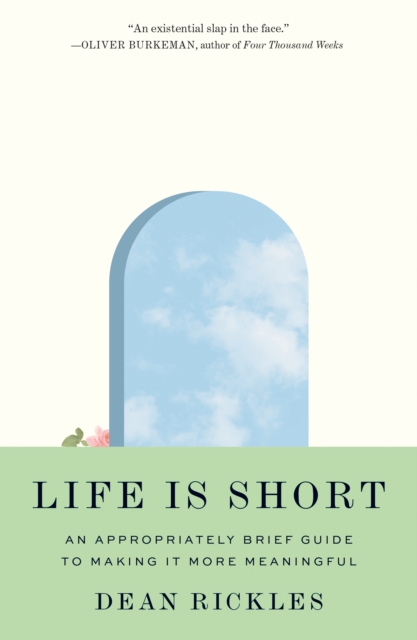
Why life's shortness-more than anything else-is what makes it meaningfulDeath might seem to render pointless all our attempts to create a meaningful life.
Why "e;aporophobia"e;-rejection of the poor-is one of the most serious problems facing the world today, and how we can fight itIn this revelatory book, acclaimed political philosopher Adela Cortina makes an unprecedented assertion: the biggest problem facing the world today is the rejection of poor people.
How the utopian tradition offers answers to today's environmental crisesIn the face of Earth's environmental breakdown, it is clear that technological innovation alone won't save our planet.
What all of us can do to fight the pervasive human tendency to enable wrongdoing in the workplace, politics, and beyondIt is easy to condemn obvious wrongdoers such as Elizabeth Holmes, Harvey Weinstein, and the Sackler family.
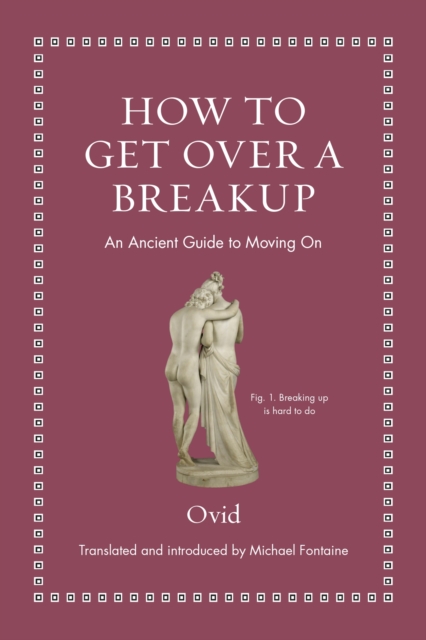
A modern translation of the ancient Roman poet Ovid's Remedies for Lovea witty and irreverent work about how to fall out of loveBreakups are the worst.
An eminent philosopher explains why we owe it to future generations to take immediate action on global warmingClimate change is the supreme challenge of our time.
An intellectual history of the philosophers who grappled with the problem of evil, and the case for why pessimism still holds moral value for us todayIn the seventeenth and eighteenth centuries, philosophers engaged in heated debates on the question of how God could have allowed evil and suffering in a creation that is supposedly good.
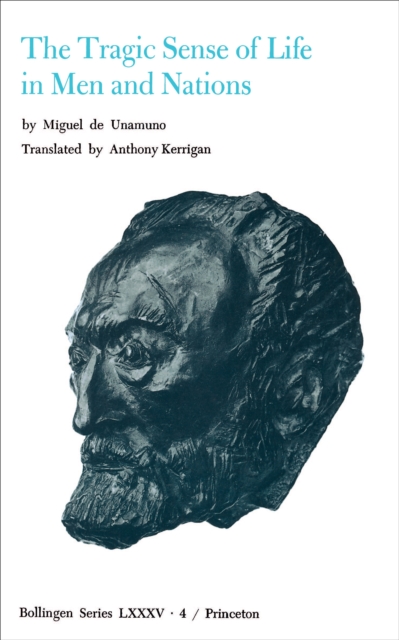
The acknowledged masterpiece of Unamuno expresses the anguish of modern man as he is caught up in the struggle between the dictates of reason and the demands of his own heart.
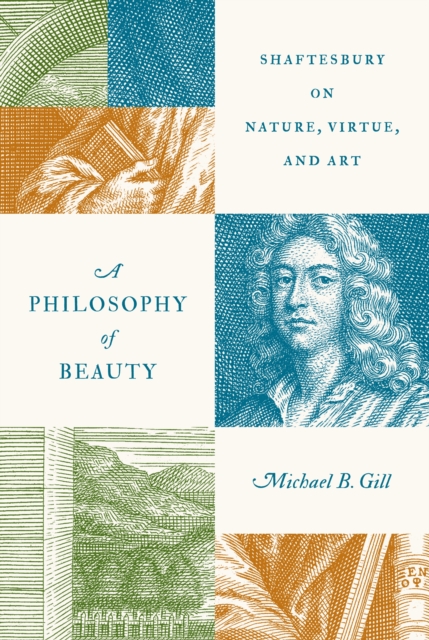
An engaging account of how Shaftesbury revolutionized Western philosophyAt the turn of the eighteenth century, Anthony Ashley Cooper, the third Earl of Shaftesbury (1671-1713), developed the first comprehensive philosophy of beauty to be written in English.
A provocative and timely case for how the science of genetics can help create a more just and equal societyIn recent years, scientists like Kathryn Paige Harden have shown that DNA makes us different, in our personalities and in our health-and in ways that matter for educational and economic success in our current society.
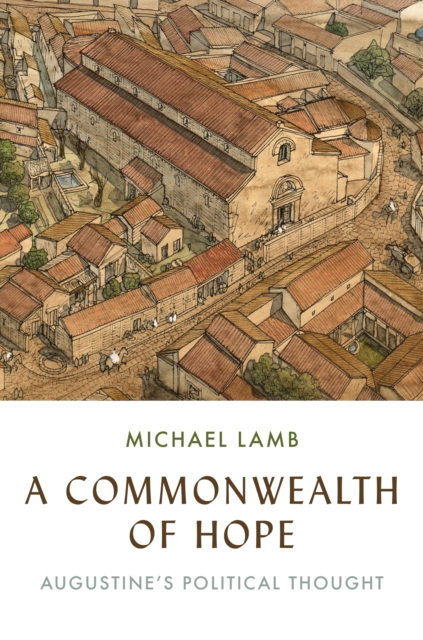
A bold new interpretation of Augustine's virtue of hope and its place in political lifeWhen it comes to politics, Augustine of Hippo is renowned as one of history's great pessimists, with his sights set firmly on the heavenly city rather than the public square.
A bold reevaluation of Spinoza that reveals his powerful, inclusive vision of religion for the modern ageSpinoza is widely regarded as either a God-forsaking atheist or a God-intoxicated pantheist, but Clare Carlisle says that he was neither.
Dealing with a diverse set of problems in practical and theoretical ethics, these fourteen essays, three of them previously unpublished, reconfirm Joel Feinberg's leading position in the field of legal philosophy.
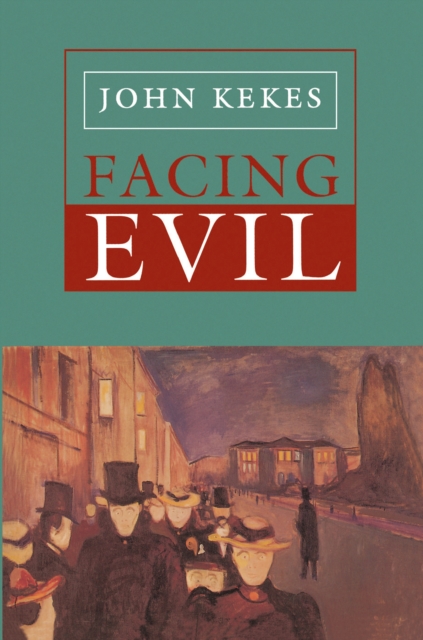
Arguing that the prevalence of evil presents a fundamental problem for our secular sensibility, John Kekes develops a conception of character-morality as a response.
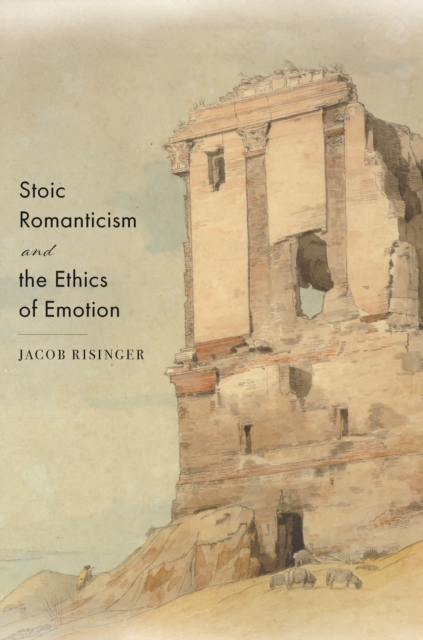
An exploration of Stoicism's central role in British and American writing of the Romantic periodStoic philosophers and Romantic writers might seem to have nothing in common: the ancient Stoics championed the elimination of emotion, and Romantic writers made a bold new case for expression, adopting ';powerful feeling' as the bedrock of poetry.
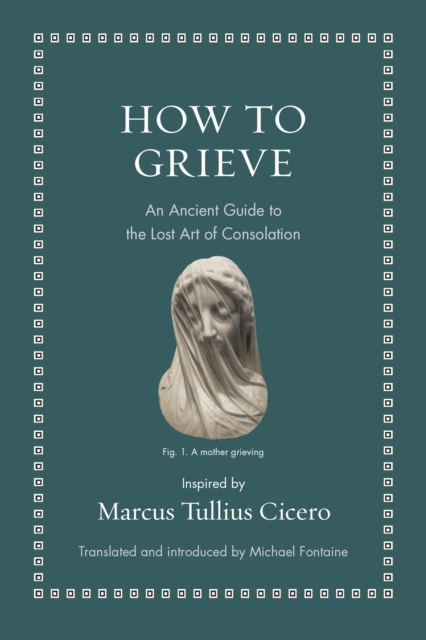
An engaging new translation of a timeless masterpiece about coping with the death of a loved oneIn 45 BCE, the Roman statesman Cicero fell to pieces when his beloved daughter, Tullia, died from complications of childbirth.
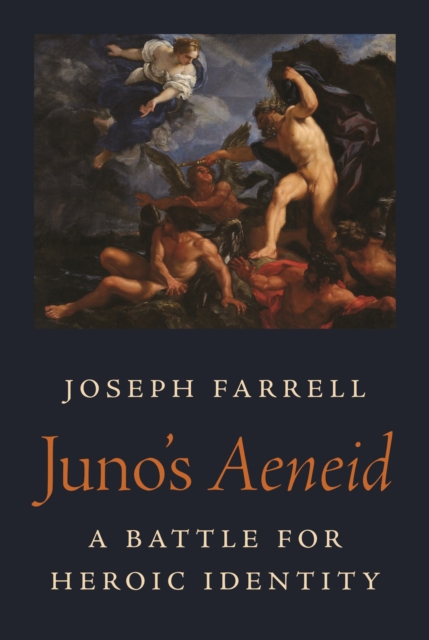
A major new interpretation of Vergil's epic poem as a struggle between two incompatible versions of the Homeric heroThis compelling book offers an entirely new way of understanding the Aeneid.
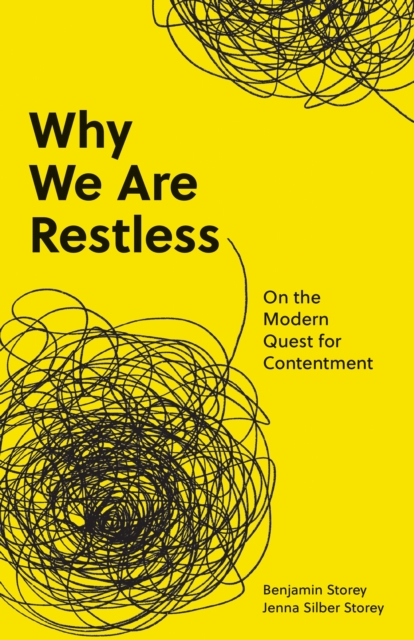
A compelling exploration of how our pursuit of happiness makes us unhappyWe live in an age of unprecedented prosperity, yet everywhere we see signs that our pursuit of happiness has proven fruitless.
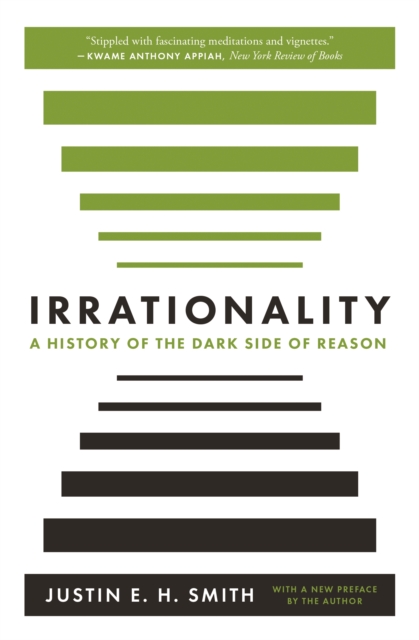
From sex and music to religion and politics, a history of irrationality and the ways in which it has always been with us-and always will beIn this sweeping account of irrationality from antiquity to the rise of Twitter mobs and the election of Donald Trump, Justin Smith argues that irrationality makes up the greater part of human life and history.
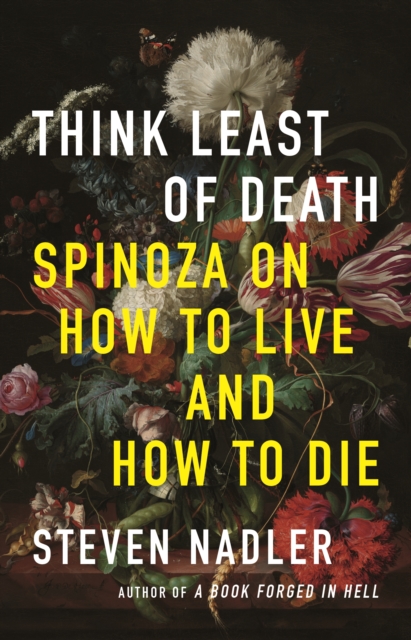
From Pulitzer Prize-finalist Steven Nadler, an engaging guide to what Spinoza can teach us about life's big questionsIn 1656, after being excommunicated from Amsterdam's Portuguese-Jewish community for "e;abominable heresies"e; and "e;monstrous deeds,"e; the young Baruch Spinoza abandoned his family's import business to dedicate his life to philosophy.
A moral philosopher's meditations on some of life's most important questionsWe've all had to puzzle over such profound matters as birth, death, regret, free will, agency, and love.
A new way of understanding the essence of moral obligationThe Moral Nexus develops and defends a new interpretation of moralitynamely, as a set of requirements that connect agents normatively to other persons in a nexus of moral relations.
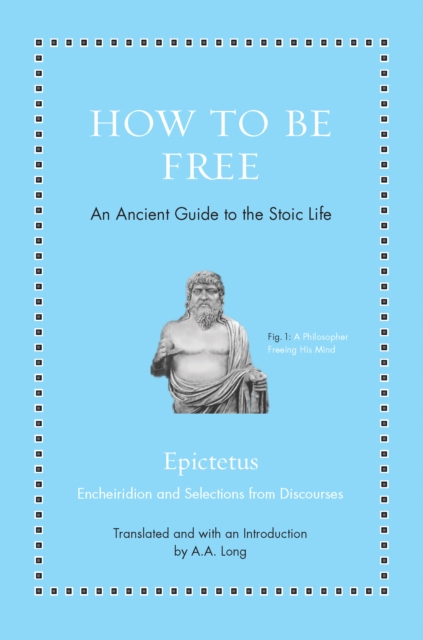
A superb new edition of Epictetus's famed handbook on Stoicismtranslated by one of the world's leading authorities on Stoic philosophyBorn a slave, the Roman Stoic philosopher Epictetus (c.
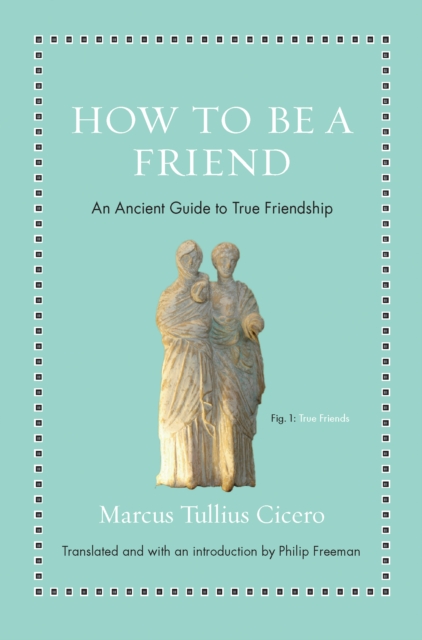
A splendid new translation of one of the greatest books on friendship ever writtenIn a world where social media, online relationships, and relentless self-absorption threaten the very idea of deep and lasting friendships, the search for true friends is more important than ever.
Hannah Arendt's rich and varied political thought is more influential today than ever before, due in part to the collapse of communism and the need for ideas that move beyond the old ideologies of the Cold War.
A splendid new translation of one of the greatest books on friendship ever writtenIn a world where social media, online relationships, and relentless self-absorption threaten the very idea of deep and lasting friendships, the search for true friends is more important than ever.
Democracy establishes relationships of political equality, ones in which citizens equally share authority over what they do together and respect one another as equals.
A major new interpretation of Vergil's epic poem as a struggle between two incompatible versions of the Homeric heroThis compelling book offers an entirely new way of understanding the Aeneid.
An expansive look at how culture shapes our emotions-and how we can benefit, as individuals and a society, from less anger and more shameThe world today is full of anger.