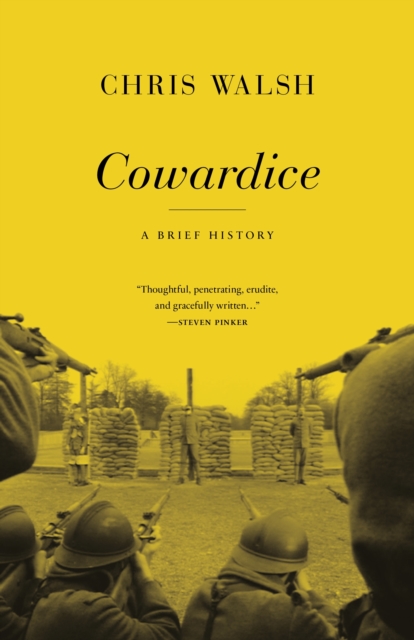
A compelling look at the problem of evil in modern thought, from the Inquisition to global terrorismEvil threatens human reason, for it challenges our hope that the world makes sense.
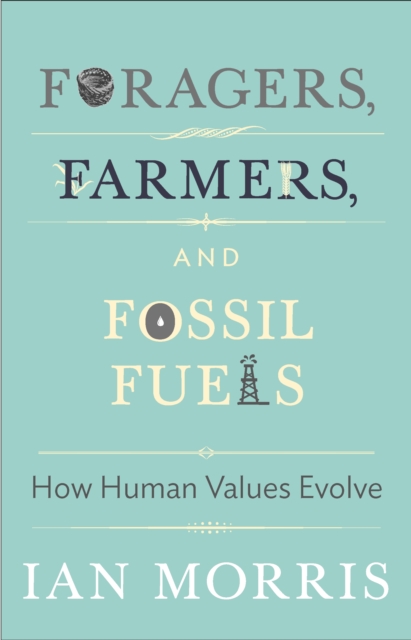
The best-selling author of Why the West Rules-for Now examines the evolution and future of human values Most people in the world today think democracy and gender equality are good, and that violence and wealth inequality are bad.
Compelling essays from one of today's most esteemed cultural criticsSpanning many historical and literary contexts, Moral Imagination brings together a dozen recent essays by one of America's premier cultural critics.
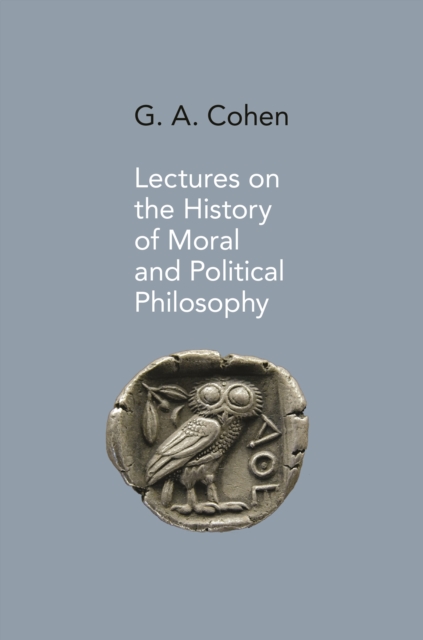
We are partial to people with whom we share special relationships--if someone is your child, parent, or friend, you wouldn't treat them as you would a stranger.
A comprehensive history of manhunting in the West, from ancient times to the presentTouching on issues of power, authority, and domination, Manhunts takes an in-depth look at the hunting of humans in the West, from ancient Sparta, through the Middle Ages, to the modern practices of chasing undocumented migrants.
A provocative reflection on the dilemmas of modern loveThe sexual revolution is justly celebrated for the freedoms it brought-birth control, the decriminalization of abortion, the liberalization of divorce, greater equality between the sexes, women's massive entry into the workforce, and more tolerance of homosexuality.
Nineteenth-century European thought, especially in Germany, was increasingly dominated by a new historicist impulse to situate every event, person, or text in its particular context.
This is the first comprehensive interpretation of John Locke's solution to one of philosophy's most enduring problems: free will and the nature of human agency.
Race, ethnicity, nationality, religion, gender, sexuality: in the past couple of decades, a great deal of attention has been paid to such collective identities.
This book represents the most comprehensive account to date of an important but widely contested approach to ethics--intuitionism, the view that there is a plurality of moral principles, each of which we can know directly.
In these writings by one of our most creative legal philosophers, Meir Dan-Cohen explores the nature of the self and its response to legal commands and mounts a challenge to some prevailing tenets of legal theory and the neighboring moral, political, and economic thought.
Much political thinking today, particularly that influenced by liberalism, assumes a clear distinction between the public and the private, and holds that the correct understanding of this should weigh heavily in our attitude to human goods.
An entertaining and enlightening collection of ancient writings about the philosophers who advocated simple living and rejected unthinking conformityThe Cynics were ancient Greek philosophers who stood athwart the flood of society's material excess, unexamined conventions, and even norms of politeness and thundered "e;No!
An original deep history of the internet that tells the story of the centuries-old utopian dreams behind it-and explains why they have died todayMany think of the internet as an unprecedented and overwhelmingly positive achievement of modern human technology.
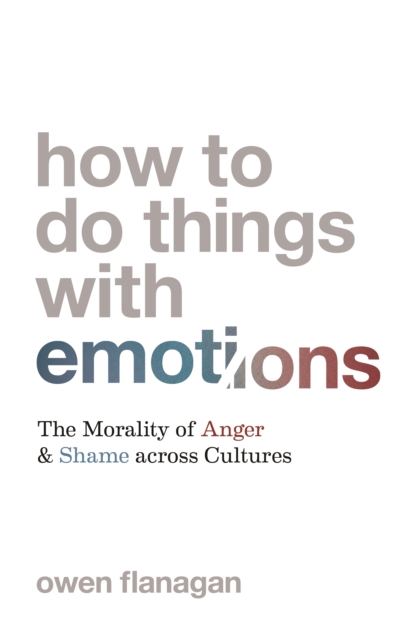
An expansive look at how culture shapes our emotions-and how we can benefit, as individuals and a society, from less anger and more shameThe world today is full of anger.
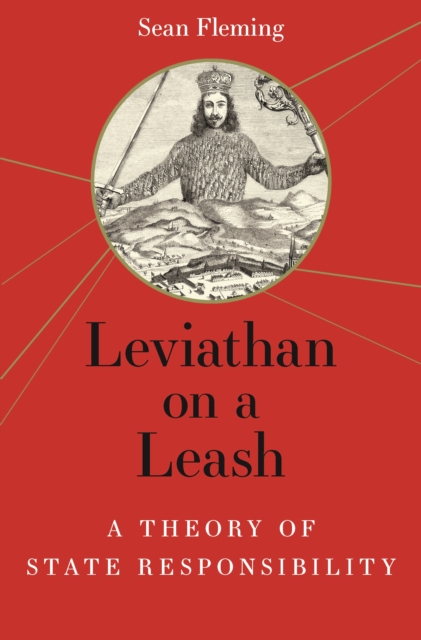
New perspectives on the role of collective responsibility in modern politicsStates are commonly blamed for wars, called on to apologize, held liable for debts and reparations, bound by treaties, and punished with sanctions.
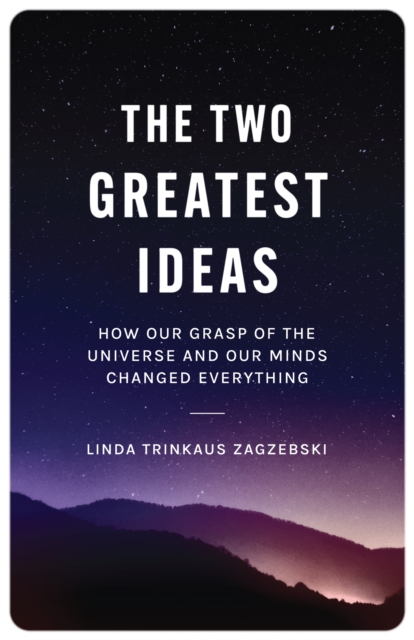
Two simple yet tremendously powerful ideas that shaped virtually every aspect of civilizationThis book is a breathtaking examination of the two greatest ideas in human history.
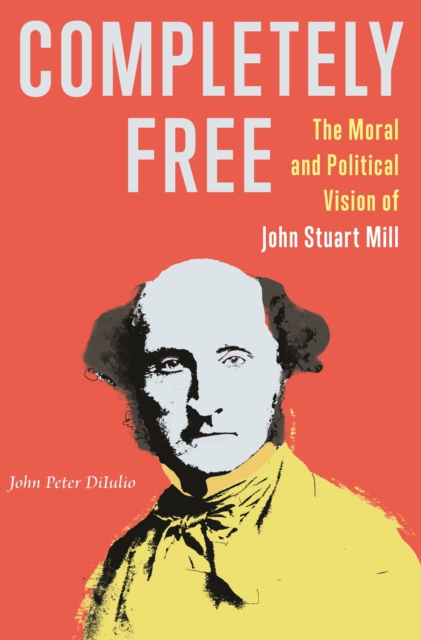
An original, unified reconstruction of Mill's moral and political philosophy-one that finally reveals its consistency and full powerFew thinkers have been as influential as John Stuart Mill, whose philosophy has arguably defined Utilitarian ethics and modern liberalism.
An engaging and illuminating exploration of grief-and why, despite its intense pain, it can also help us growExperiencing grief at the death of a person we love or who matters to us-as universal as it is painful-is central to the human condition.
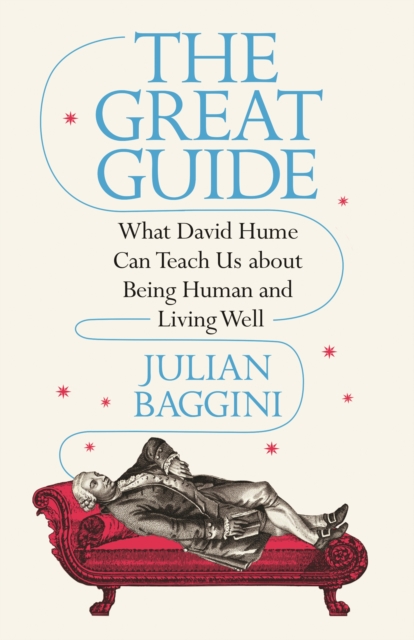
Invaluable wisdom on living a good life from one of the Enlightenment's greatest philosophersDavid Hume (1711-1776) is perhaps best known for his ideas about cause and effect and his criticisms of religion, but he is rarely thought of as a philosopher with practical wisdom to offer.
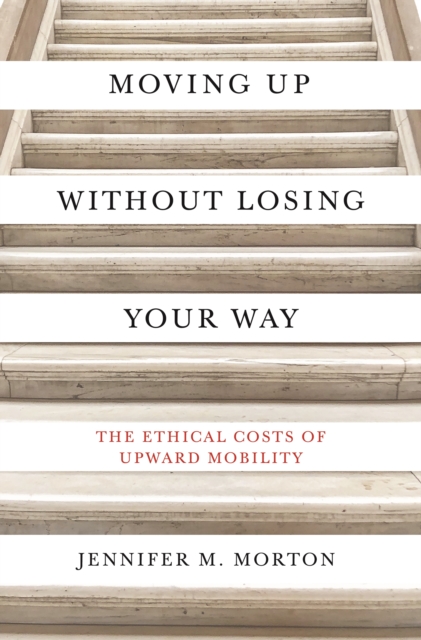
The ethical and emotional tolls paid by disadvantaged college students seeking upward mobility and what educators can do to help these students flourishUpward mobility through the path of higher education has been an article of faith for generations of working-class, low-income, and immigrant college students.
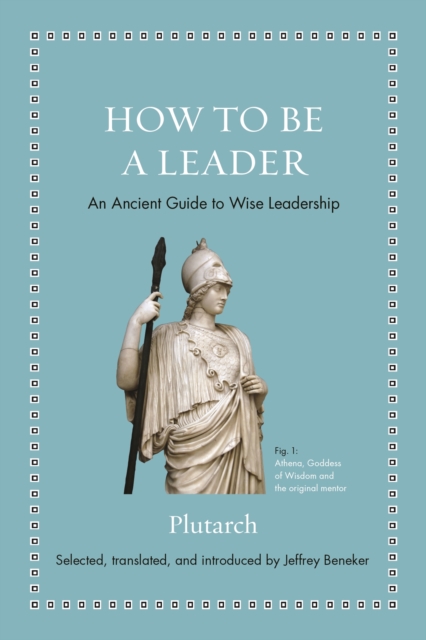
Timeless advice on how to be a successful leader in any fieldThe ancient biographer and essayist Plutarch thought deeply about the leadership qualities of the eminent Greeks and Romans he profiled in his famous-and massive-Lives, including politicians and generals such as Pericles, Alexander the Great, Julius Caesar, and Mark Antony.
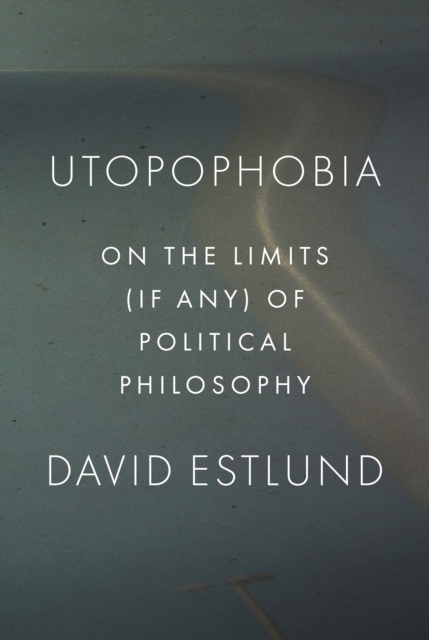
A leading political theorist's groundbreaking defense of ideal conceptions of justice in political philosophyThroughout the history of political philosophy and politics, there has been continual debate about the roles of idealism versus realism.