Race, ethnicity, nationality, religion, gender, sexuality: in the past couple of decades, a great deal of attention has been paid to such collective identities.
This book represents the most comprehensive account to date of an important but widely contested approach to ethics--intuitionism, the view that there is a plurality of moral principles, each of which we can know directly.
In these writings by one of our most creative legal philosophers, Meir Dan-Cohen explores the nature of the self and its response to legal commands and mounts a challenge to some prevailing tenets of legal theory and the neighboring moral, political, and economic thought.
Much political thinking today, particularly that influenced by liberalism, assumes a clear distinction between the public and the private, and holds that the correct understanding of this should weigh heavily in our attitude to human goods.
An entertaining and enlightening collection of ancient writings about the philosophers who advocated simple living and rejected unthinking conformityThe Cynics were ancient Greek philosophers who stood athwart the flood of society's material excess, unexamined conventions, and even norms of politeness and thundered "e;No!
An original deep history of the internet that tells the story of the centuries-old utopian dreams behind it-and explains why they have died todayMany think of the internet as an unprecedented and overwhelmingly positive achievement of modern human technology.
An expansive look at how culture shapes our emotions-and how we can benefit, as individuals and a society, from less anger and more shameThe world today is full of anger.
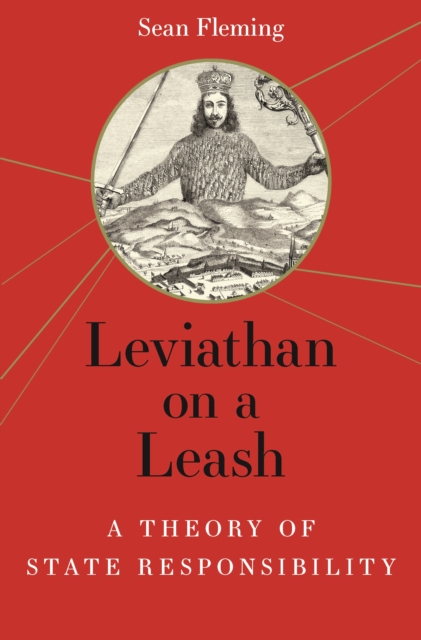
New perspectives on the role of collective responsibility in modern politicsStates are commonly blamed for wars, called on to apologize, held liable for debts and reparations, bound by treaties, and punished with sanctions.
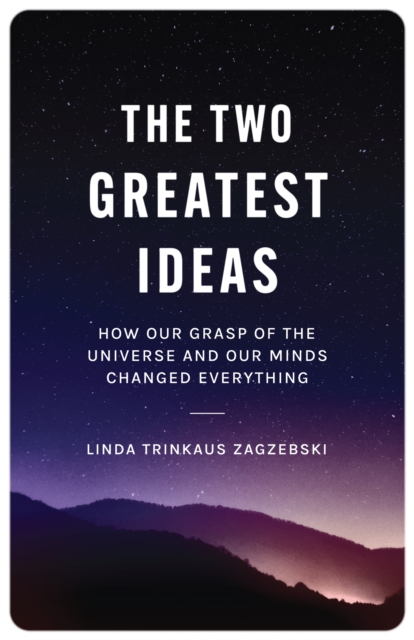
Two simple yet tremendously powerful ideas that shaped virtually every aspect of civilizationThis book is a breathtaking examination of the two greatest ideas in human history.
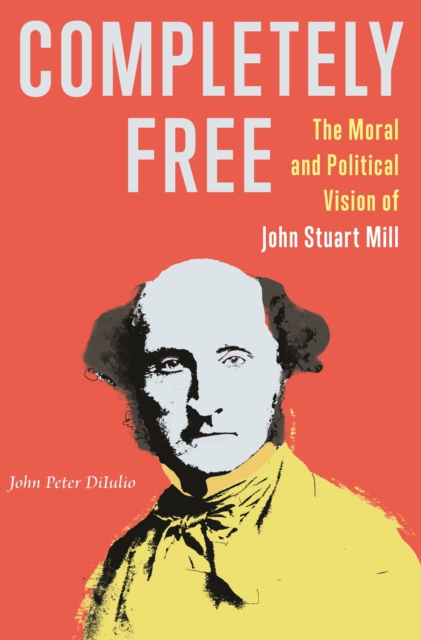
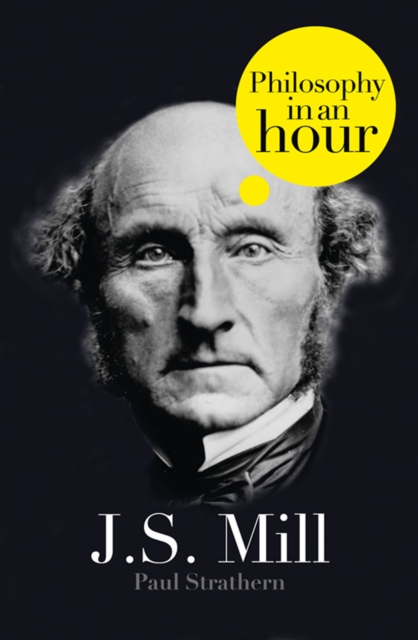
An original, unified reconstruction of Mill's moral and political philosophy-one that finally reveals its consistency and full powerFew thinkers have been as influential as John Stuart Mill, whose philosophy has arguably defined Utilitarian ethics and modern liberalism.
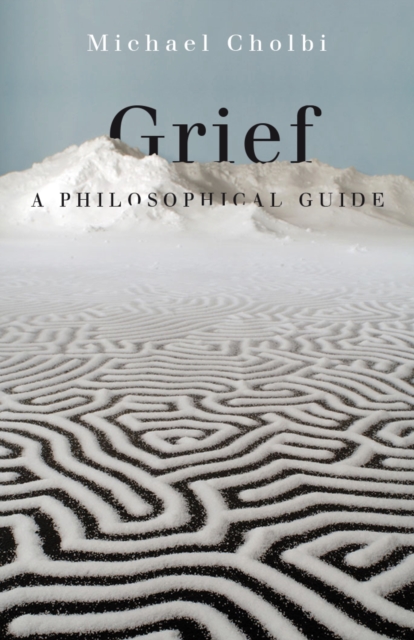
An engaging and illuminating exploration of grief-and why, despite its intense pain, it can also help us growExperiencing grief at the death of a person we love or who matters to us-as universal as it is painful-is central to the human condition.
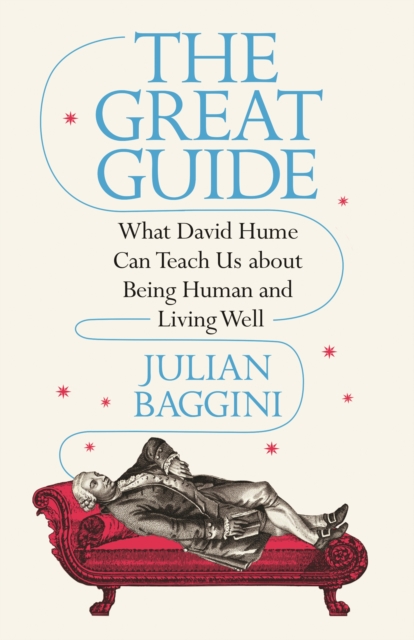
Invaluable wisdom on living a good life from one of the Enlightenment's greatest philosophersDavid Hume (1711-1776) is perhaps best known for his ideas about cause and effect and his criticisms of religion, but he is rarely thought of as a philosopher with practical wisdom to offer.
The ethical and emotional tolls paid by disadvantaged college students seeking upward mobility and what educators can do to help these students flourishUpward mobility through the path of higher education has been an article of faith for generations of working-class, low-income, and immigrant college students.
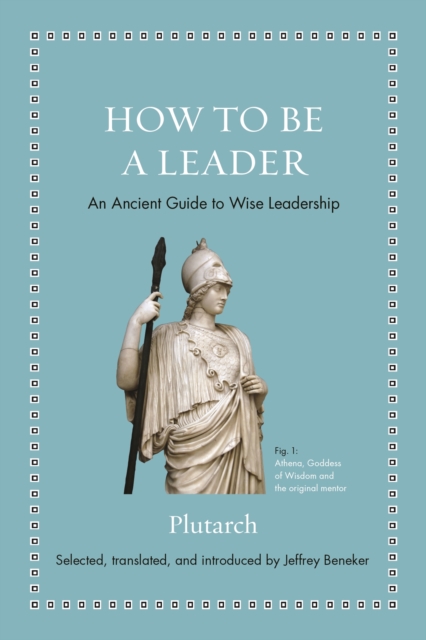
Timeless advice on how to be a successful leader in any fieldThe ancient biographer and essayist Plutarch thought deeply about the leadership qualities of the eminent Greeks and Romans he profiled in his famous-and massive-Lives, including politicians and generals such as Pericles, Alexander the Great, Julius Caesar, and Mark Antony.
A leading political theorist's groundbreaking defense of ideal conceptions of justice in political philosophyThroughout the history of political philosophy and politics, there has been continual debate about the roles of idealism versus realism.
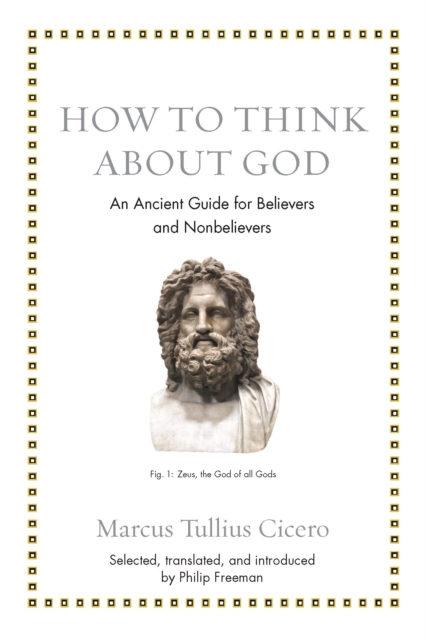
A vivid and accessible new translation of Cicero's influential writings on the Stoic idea of the divineMost ancient Romans were deeply religious and their world was overflowing with gods-from Jupiter, Minerva, and Mars to countless local divinities, household gods, and ancestral spirits.
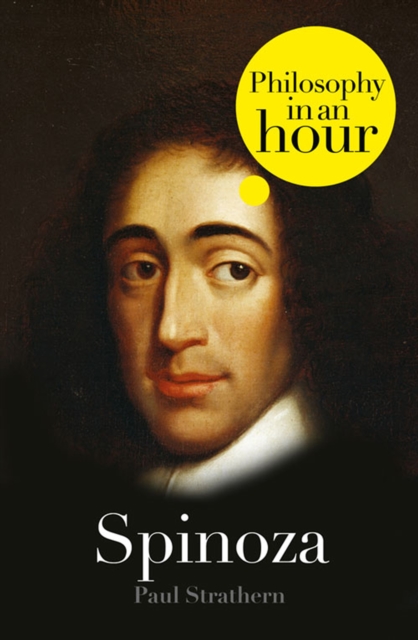
An authoritative edition of George Eliot's elegant translation of Spinoza's greatest philosophical workIn 1856, Marian Evans completed her translation of Benedict de Spinoza's Ethics while living in Berlin with the philosopher and critic George Henry Lewes.
How our beliefs about the soul have developed through the ages, and why an understanding of it still matters todayThe concept of the soul has been a recurring area of exploration since ancient times.
Democracy establishes relationships of political equality, ones in which citizens equally share authority over what they do together and respect one another as equals.
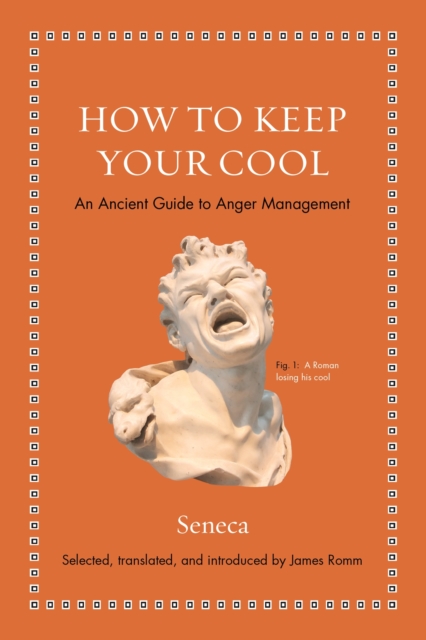
Timeless wisdom on controlling anger in personal life and politics from the Roman Stoic philosopher and statesman SenecaIn his essay "e;On Anger"e; (De Ira), the Roman Stoic thinker Seneca (c.
An exploration of cuteness and its immense hold on us, from emojis and fluffy puppies to its more uncanny, subversive expressionsCuteness has taken the planet by storm.
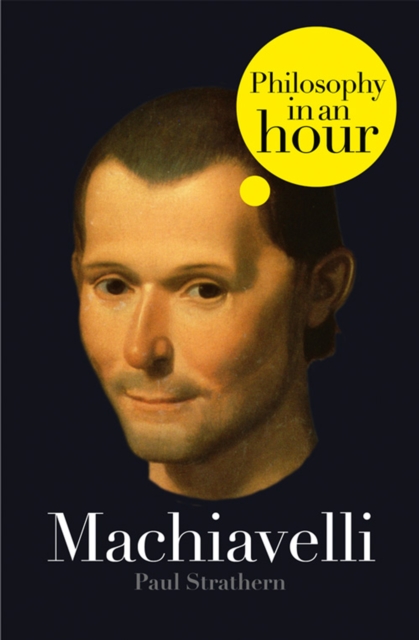
Demystifying the key ideas of the world's greatest philosophers, and exploring all of the most important branches of thought including philosophy of science, philosophy of religion and feminist philosophy in a uniquely visual way, this ebook is the perfect introduction to the history of philosophy.
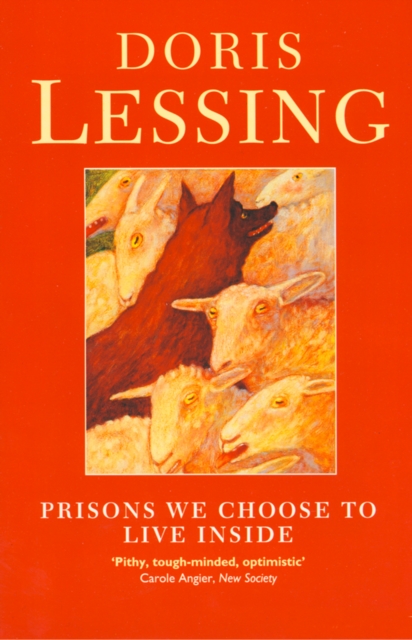
The companion to a series of lectures given by Lessing, winner of the Nobel Prize for Literature, in which she addresses some of the most important questions facing us today.