This book argues that citizens have a moral right to decide by which criteria they grant migrants citizenship, as well as to control access to their territory in the first place.
Provocative essays on real-world ethical questions from the world's most influential philosopherPeter Singer is often described as the world's most influential philosopher.
Wahrheit, Lüge & Vernunft - Über die Macht der ManipulationWir alle sind Fakten und Emotionen ausgesetzt und nicht immer sind die Grenze zwischen Wahrheit und Täuschung klartrennbar.
Inviting new translations of classical Buddhist texts about why the self is an illusionand why giving it up can free us from sufferingFrom self-realization and self-promotion to self-help and the selfie, the modern world encourages us to be self-obsessed.
This book integrates secular literature such as psychology, sociology, management, and organization studies with Christian and spiritual biblical literature.
Frente a una sociedad "posrnoderna" marcada por el desarrollo tecnológico y la lucha de modelos económicos que regulan la política interna de cada Nación, el análisis a partir de la ética en las profesiones se hace útil como un instrumento que pretende brindar elementos teóricos sobre el actuar individual y colectivo que sirvan para reflexionar sobre la influencia social del ejercicio profesional tomando la profesión como posibilidad de realización personal más allá del actuar mecánico y el desgaste físico y psicológico que todo trabajo conlleva.
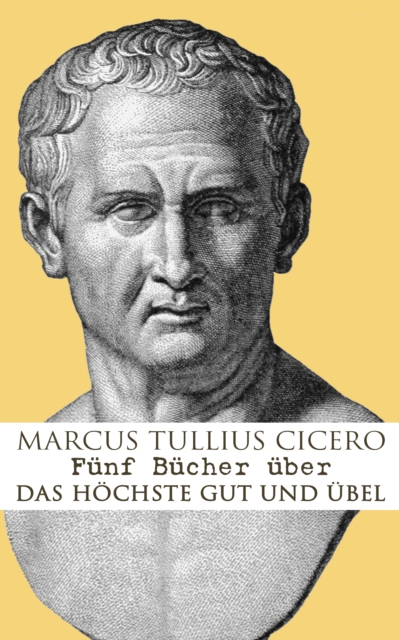
Dieses eBook: "Fünf Bücher über das höchste Gut und Übel" ist mit einem detaillierten und dynamischen Inhaltsverzeichnis versehen und wurde sorgfältig korrekturgelesen.
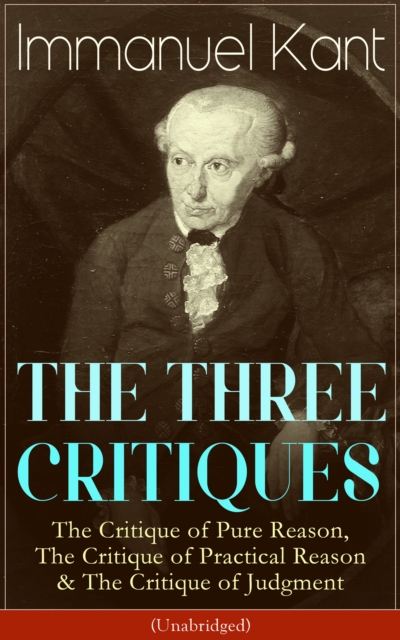
This carefully crafted ebook: "e;THE THREE CRITIQUES: The Critique of Pure Reason, The Critique of Practical Reason & The Critique of Judgment (Unabridged)"e; is formatted for your eReader with a functional and detailed table of contents.
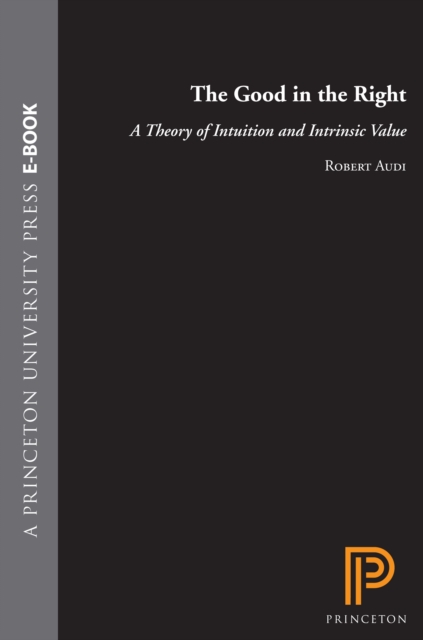
This book represents the most comprehensive account to date of an important but widely contested approach to ethics--intuitionism, the view that there is a plurality of moral principles, each of which we can know directly.
Madison & Adams Press presents to you this meticulously edited John Dewey collection, formatted to the highest digital standards and adjusted for readability on all devices.
Jenseits von Gut und Böse bildet den Übergang von Nietzsches mittlerer, eher dichterisch, positiv geprägten Schaffensperiode zu seinem von philosophischem Denken dominierten späteren Werk.
Huxley's classic lecture on evolution, human nature, and the way to true happinessThomas Henry Huxley (18251895) was one of the most prominent evolutionists of the late nineteenth century.