A compelling look at the problem of evil in modern thought, from the Inquisition to global terrorismEvil threatens human reason, for it challenges our hope that the world makes sense.
The human propensity to take an ethical stance toward oneself and others is found in every known society, yet we also know that values taken for granted in one society can contradict those in another.
While the interdependence of the different aspects of water security and the relevance of ethical and distributive aspects is acknowledged in both policy circles and academia, a comprehensive introduction to water ethics is still missing.
From the author of the #1 New York Times bestseller On Bullshit, the case for worrying less about the rich and more about the poorEconomic inequality is one of the most divisive issues of our time.
Compelling essays from one of today's most esteemed cultural criticsSpanning many historical and literary contexts, Moral Imagination brings together a dozen recent essays by one of America's premier cultural critics.
We are partial to people with whom we share special relationships--if someone is your child, parent, or friend, you wouldn't treat them as you would a stranger.
This book addresses the challenges to achieve food security, which can arguably be one of the axis of any transformational solution to the structural production and reproduction of hunger, malnutrition, and poverty.
The question of what constitutes sexual harassment-from suggestive remarks to outright threats, from off-color jokes to lewd posters on office walls-is contentious, as is the question of how to address sexual harassment.
This highly original book is the first to explore the political and philosophical consequences of Hannah Arendt's concept of 'the banality of evil,' a term she used to describe Adolph Eichmann, architect of the Nazi 'final solution.
This reader introduces students of philosophy and politics to the contemporary critical literature on the classical social contract theorists: Thomas Hobbes (1599-1697), John Locke (1632-1704), and Jean-Jacques Rousseau (1712-1778).
In the wake of court rulings that have forced university administrators to reevaluate affirmative action policies, this balanced, thoughtful book examines three typical defenses of those policies: that affirmative action compensates for past discrimination; that it provides role models and ensures diversity; and that it corrects for systemic bias against women and racial minorities.
A provocative reflection on the dilemmas of modern loveThe sexual revolution is justly celebrated for the freedoms it brought-birth control, the decriminalization of abortion, the liberalization of divorce, greater equality between the sexes, women's massive entry into the workforce, and more tolerance of homosexuality.
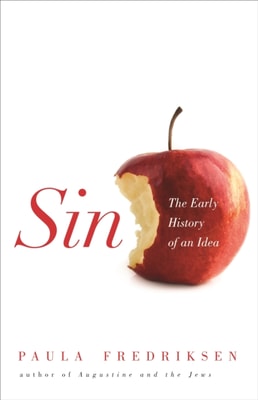
Why the meaning of sin changed radically during the first centuries of ChristianityAncient Christians invoked sin to account for an astonishing range of things, from the death of God's son to the politics of the Roman Empire that worshipped him.
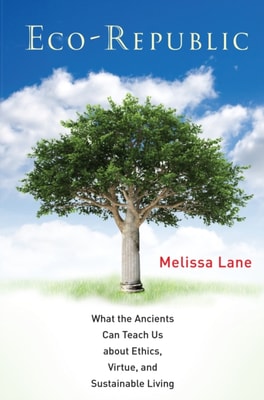
Ancient lessons for sustainable citizenshipAn ecologically sustainable society cannot be achieved without citizens who possess the virtues and values that will foster it, and who believe that individual actions can indeed make a difference.
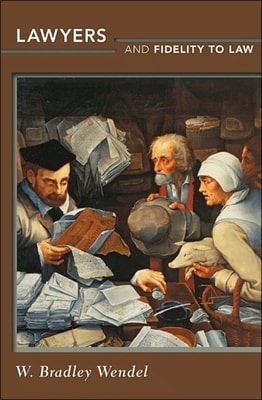
Even lawyers who obey the law often seem to act unethically--interfering with the discovery of truth, subverting justice, and inflicting harm on innocent people.
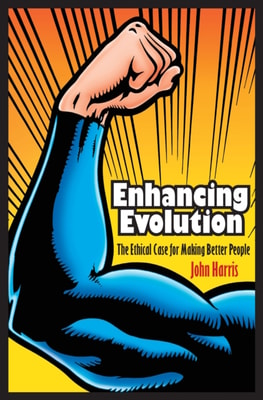
In Enhancing Evolution, leading bioethicist John Harris dismantles objections to genetic engineering, stem-cell research, designer babies, and cloning and makes an ethical case for biotechnology that is both forthright and rigorous.
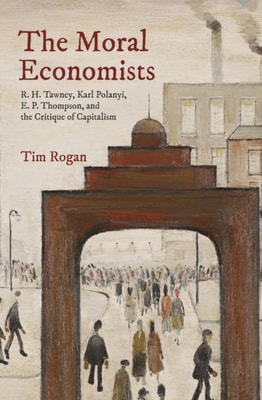
A fresh look at how three important twentieth-century British thinkers viewed capitalism through a moral rather than material lensWhat's wrong with capitalism?
How we came to seek absolute good in religion and nature-and why that quest often leads us astrayPeople have long looked to nature and the divine as paths to the good.
Many contemporary political thinkers are gripped by the belief that their task is to develop an ideal theory of rights or justice for guiding and judging political actions.
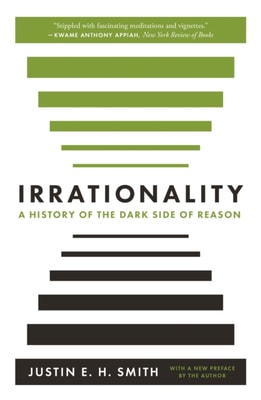
From sex and music to religion and politics, a history of irrationality and the ways in which it has always been with us-and always will beIn this sweeping account of irrationality from antiquity to the rise of Twitter mobs and the election of Donald Trump, Justin Smith argues that irrationality makes up the greater part of human life and history.
A moral philosopher's meditations on some of life's most important questionsWe've all had to puzzle over such profound matters as birth, death, regret, free will, agency, and love.