First published in 1999, this study begins with a review of basic biological functions, stressing the importance to the organism of various kinds of information.
First published in 1999, this study begins with a review of basic biological functions, stressing the importance to the organism of various kinds of information.
This book offers intimate readings of a diverse range of global autobiographical literature with an emphasis on the (re)presentation of the physical body.
This book offers intimate readings of a diverse range of global autobiographical literature with an emphasis on the (re)presentation of the physical body.
This book offers a diverse understanding and practical approach towards the growing area of atmosphere research, in the context of philosophy, geography and architecture.
This book offers a diverse understanding and practical approach towards the growing area of atmosphere research, in the context of philosophy, geography and architecture.
In this book, the author tracks the canonical instances of the generalized version of Sigmund Freud's example: a visit to the Acropolis when one cares about the visit, whether or not with the degree of interest and enthusiasm that Freud had.
In this book, the author tracks the canonical instances of the generalized version of Sigmund Freud's example: a visit to the Acropolis when one cares about the visit, whether or not with the degree of interest and enthusiasm that Freud had.
This book explores how four contemporary artists-Francis Bacon, Joseph Beuys, Robert Gober, and Damien Hirst-pursue the question of death through their fraught appropriations of Christian imagery.
This book explores how four contemporary artists-Francis Bacon, Joseph Beuys, Robert Gober, and Damien Hirst-pursue the question of death through their fraught appropriations of Christian imagery.
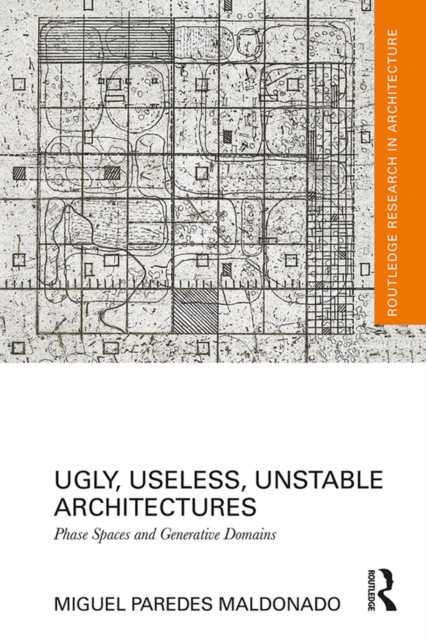
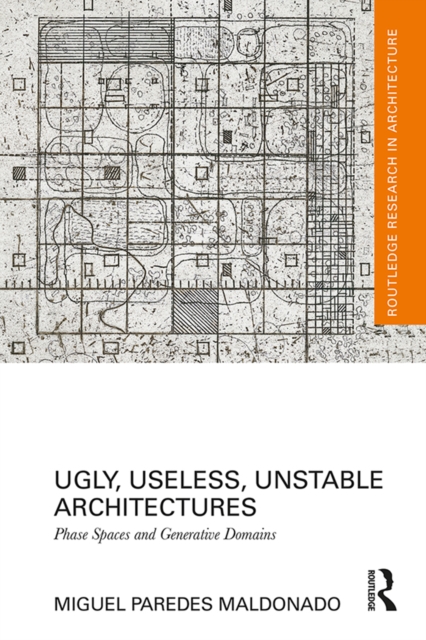
Ugly, Useless, Unstable Architectures traces productive intersections between architecture and the discourses of Post-Structuralism and New Materialism.
Ugly, Useless, Unstable Architectures traces productive intersections between architecture and the discourses of Post-Structuralism and New Materialism.
Originally published in 1949, Croce's essays on political, philosophic and aesthetic subjects, selected from both his earlier and later writings possess a remarkable underlying unity.
This volume builds on two recent developments in philosophy on the relationship between art and science: the notion of representation and the role of values in theory choice and the development of scientific theories.
This volume builds on two recent developments in philosophy on the relationship between art and science: the notion of representation and the role of values in theory choice and the development of scientific theories.
Originally published in 1921 this volume consists of the first of Croce's literary criticisms to be published in English and as well as a section on Shakespeare, it contains unique essays on Ariosto and Corneille which together inaugurated a new era in literary criticism.
Originally published in 1949, Croce's essays on political, philosophic and aesthetic subjects, selected from both his earlier and later writings possess a remarkable underlying unity.
Originally published in 1921 this volume consists of the first of Croce's literary criticisms to be published in English and as well as a section on Shakespeare, it contains unique essays on Ariosto and Corneille which together inaugurated a new era in literary criticism.
For a good part of the 20th century, the classic Pragmatists-Charles Sanders Peirce, William James, and John Dewey-and pragmatism in general were largely ignored by analytic philosophers.
This book shows that art involves an aesthetics of self-becoming, wherein we do not simply consume artistic meaning, but become empowered-by adapting ourselves to what creation in the different art forms makes possible.
Employing an interdisciplinary approach, this book breaks new ground by considering how Robert Motherwell's abstract expressionist art is indebted to Alfred North Whitehead's highly original process metaphysics.