An invitation to readers from every walk of life to rediscover the impractical splendors of a life of learningIn an overloaded, superficial, technological world, in which almost everything and everybody is judged by its usefulness, where can we turn for escape, lasting pleasure, contemplation, or connection to others?
A novel interpretation of architecture, ugliness, and the social consequences of aesthetic judgmentWhen buildings are deemed ugly, what are the consequences?
An exploration of cuteness and its immense hold on us, from emojis and fluffy puppies to its more uncanny, subversive expressionsCuteness has taken the planet by storm.
Demystifying the key ideas of the world's greatest philosophers, and exploring all of the most important branches of thought including philosophy of science, philosophy of religion and feminist philosophy in a uniquely visual way, this ebook is the perfect introduction to the history of philosophy.
Jacques Ranciere has continually unsettled political discourse, particularly through his questioning of aesthetic "e;distributions of the sensible,"e; which configure the limits of what can be seen and said.
Joseph Margolis, known for his considerable contributions to the philosophy of art and aesthetics, pragmatism, and American philosophy, has focused primarily on the troublesome concepts of culture, history, language, agency, art, interpretation, and the human person or self.
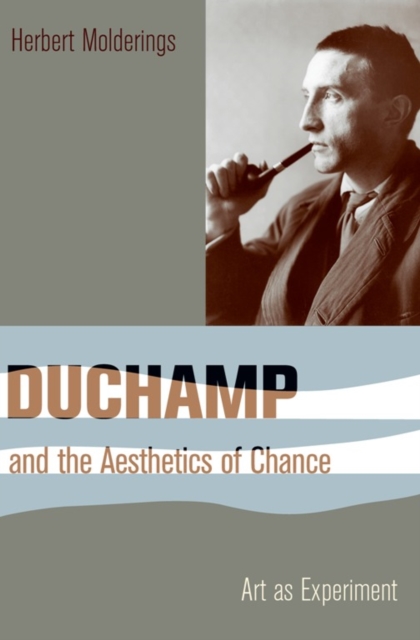
Marcel Duchamp is often viewed as an "e;artist-engineer-scientist,"e; a kind of rationalist who relied heavily on the ideas of the French mathematician and philosopher Henri Poincare.
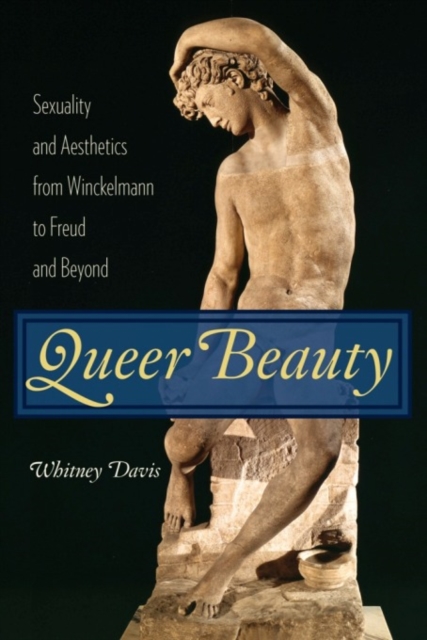
The pioneering work of Johann Winckelmann (1717-1768) identified a homoerotic appreciation of male beauty in classical Greek sculpture, a fascination that had endured in Western art since the Greeks.
In his philosophy of ethics and time, Emmanuel Levinas highlighted the tension that exists between the "e;ontological adventure"e; of immediate experience and the "e;ethical adventure"e; of redemptive relationships-associations in which absolute responsibility engenders a transcendence of being and self.
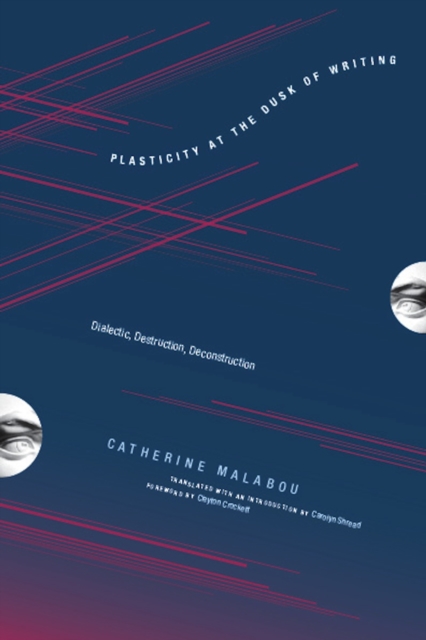
A former student and collaborator of Jacques Derrida, Catherine Malabou has generated worldwide acclaim for her progressive rethinking of postmodern, Derridean critique.
More than a century after Guido Adler's appointment to the first chair in musicology at the University of Vienna, Music, Criticism, and the Challenge of History provides a first look at the discipline in this earliest period, and at the ideological dilemmas and methodological anxieties that characterized it upon its institutionalization.
Japanese philosophy is now a flourishing field with thriving societies, journals, and conferences dedicated to it around the world, made possible by an ever-increasing library of translations, books, and articles.
In recent decades, we have witnessed an explosion in the number of visual images we encounter, as our lives have become increasingly saturated with screens.
Decomposition is a bracing, revisionary, and provocative inquiry into music—from Beethoven to Duke Ellington, from Conlon Nancarrow to Evelyn Glennie—as a personal and cultural experience: how it is composed, how it is idiosyncratically perceived by critics and reviewers, and why we listen to it the way we do.
A passionate and moving tribute to the captivating power of dance, not just as an art form but as a language that transcends barriers "e;[A] smart, bracing book of reflection, analysis, memoir and history.
A groundbreaking study of the development of form in eighteenth-century aesthetics In this original work, Abigail Zitin proposes a new history of the development of form as a concept in and for aesthetics.
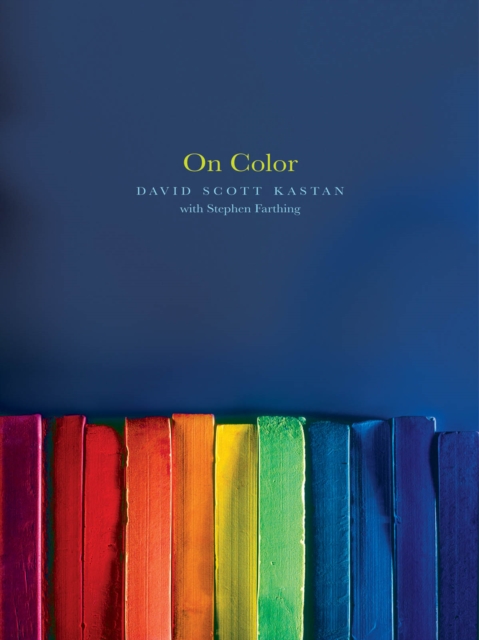
Ranging from Homer to Picasso, and from the Iranian Revolution to The Wizard of Oz, this "e;sparkling and informative"e; book awakens us to the role of color (Wall Street Journal).
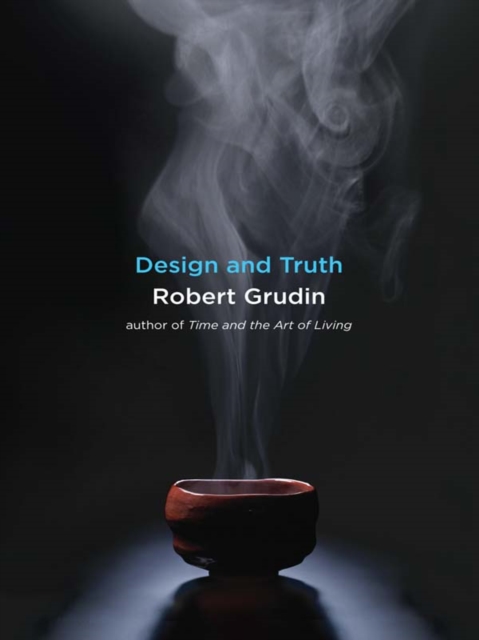
A profound meditation on how design reflects the uses and abuses of power from the Pulitzer Prize-nominated author of Time and the Art of Living “If good design tells the truth,” writes Robert Grudin in this path-breaking book on esthetics and authority, “poor design tells a lie, a lie usually related .
Leading philosophers and scholars speculate on what Heidegger''s unfinished masterpiece might have said, why Heidegger didn''t publish it, and what being actually means.
A theory of the neural bases of aesthetic experience across the arts, which draws on the tools of both cognitive neuroscience and traditional humanist inquiry.
This lively collection of essays explores the vital role of beauty in the human experience of place, interactions with other species, and contemplation of our own embodied lives.
This lively collection of essays explores the vital role of beauty in the human experience of place, interactions with other species, and contemplation of our own embodied lives.