En Desmarcar el territorio, Carla Macchiavello Cornejo realiza un análisis crítico de las prácticas performativas, conceptuales y estéticas que surgieron en Chile en oposición a la dictadura, centrándose en sus discursos territoriales y nacionalistas.
One of Europe's most mythologized Marxist intellectuals of the 20th century, Pier Paolo Pasolini was not only a poet, filmmaker, novelist, and political martyr.
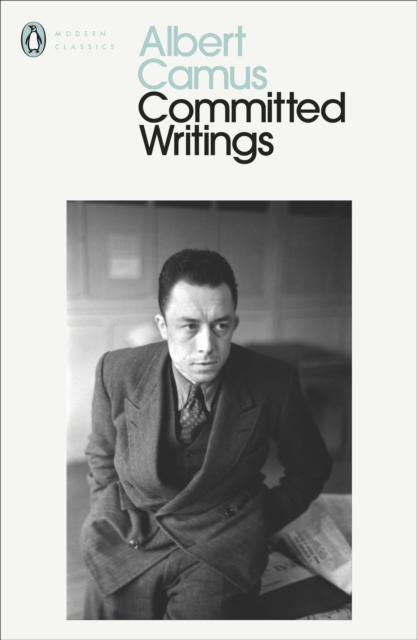
'To create today means to create dangerously'This new collection contains some of Camus' most brilliant political writing as he reflects on moral responsibility and the role of the artist in the world.
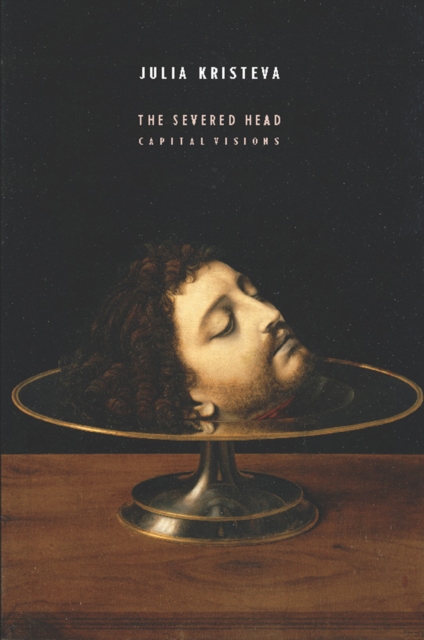
Informed by a provocative exhibition at the Louvre curated by the author, The Severed Head unpacks artistic representations of severed heads from the Paleolithic period to the present.
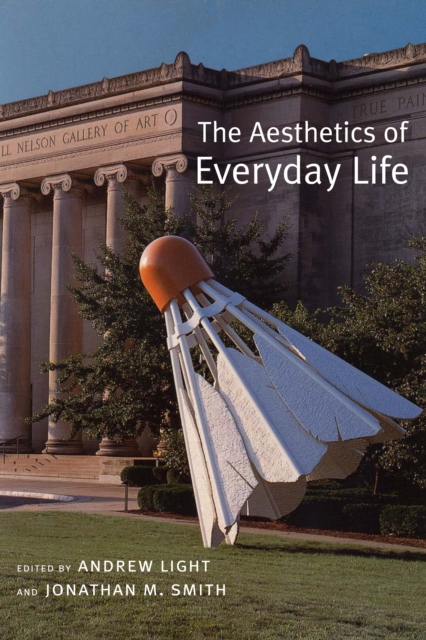
The aesthetics of everyday life, originally developed by Henri Lefebvre and other modernist theorists, is an extension of traditional aesthetics, usually confined to works of art.
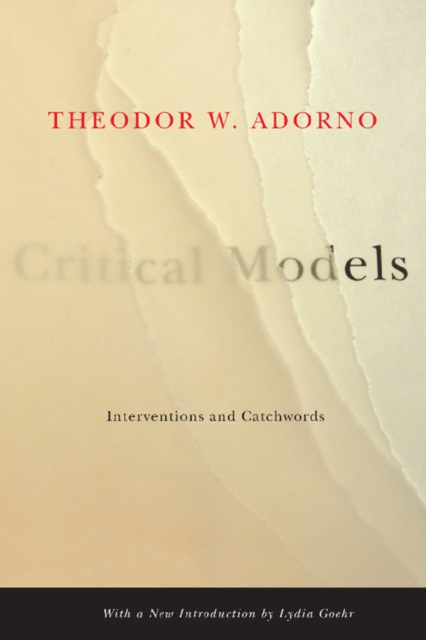
Critical Models combines into a single volume two of Adorno's most important postwar works - Interventions: Nine Critical Models (1963) and Catchwords: Critical Models II (1969).
This book finds Heidegger's Aristotle interpretation integral to his idea of leading metaphysics back to its own presuppositions, and his reflection on art as necessitating a revision of this interpretation.
Philip Goldstein explains the socio-historical context of the diverse interpretive practices which make up the humanities in the USA in the 21st century.
Arguing on recent cognitive evidence that reading a Bible is much more difficult for human brains than seeing images, this book exposes the depth and breadth of Protestant theologians' misunderstandings about how people could reform their spiritual lives - how they could literally change their minds.
Examining multiple modes of spatio-temporal and geometric figurations of life, the author explores how relationships between space, geometry and aesthetics generate productive expressions of subjectivity, developed through Kant's 'reflective subject' and 'geometric' texts by Plato and others towards Deleuze's philosophy of sense.
The articles in this collection focus attention on the concept of literature and on the relationship between this concept and the concepts of a literary work and a literary text.
Over the last decade or so, aesthetic and art theory has played an increasingly significant role in the way work and its organization has come to be understood.
The Aesthetics of Free Speech: Rethinking the Public Sphere is one of the first books to theoretically explore the relationship between free speech and the public sphere.
In a series of philosophical discussions and artistic case studies, this volume develops a materialist and immanent approach to modern and contemporary art.
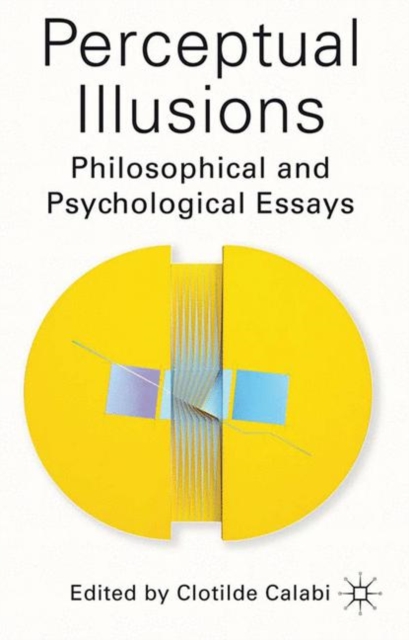
Although current debates in epistemology and philosophy of mind show a renewed interest in perceptual illusions, there is no systematic work in the philosophy of perception and in the psychology of perception with respect to the concept of illusion and the relation between illusion and error.
Exploring the themes of the event, ephemerality and democracy that mark the encounter between performance and philosophy, this original study elaborates fresh perspectives on the experiences of undoing, fiasco and disaster that shadow both the both stage and everyday life.
Using an approach deeply informed by philosophy of art, art history and perceptual psychology, this book places seeing at the centre of an original theory of pictorial representation and explores the ramifications such a theory has for the visual arts.
Metaethics occupies a central place in analytical philosophy, and the last forty years has seen an upsurge of interest in questions about the nature and practice of morality.
This book tackles the age-old interpretative problem of 'pleasure' in Keat's poetry by placing him in the context of the liberal, leisured and luxurious culture of Hunt's circle.
Leading young scholars present a collection of wide-ranging essays covering central problems in meta-aesthetics and aesthetic issues in the philosophy of mind, as well as offering analyses of key aesthetic concepts, new perspectives on the history of aesthetics, and specialized treatment of individual art forms.
In an original and provocative series of readings that range across Melville's career, the contributors consider not only the sources and implications of Melville's aesthetics, but the relationship between aesthetic criticism, historical analysis, and contemporary theory.