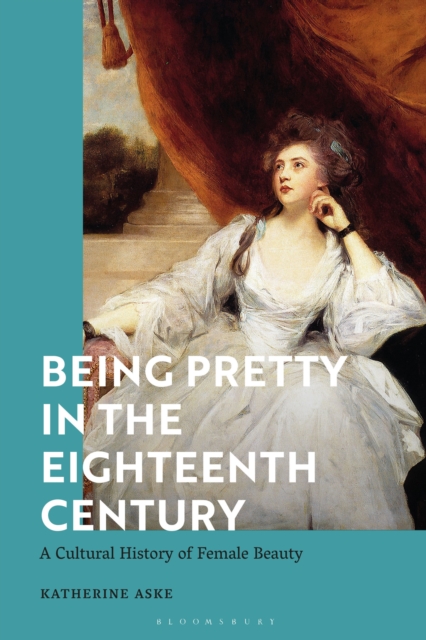
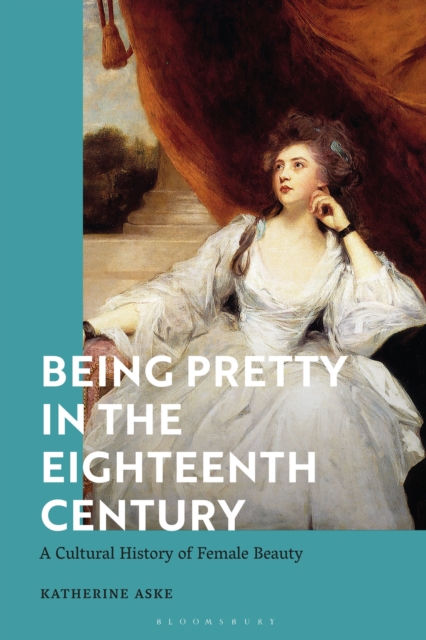
Uncovering how and why eighteenth-century definitions of beauty established cultural beliefs that continue to persist, Katherine Aske explores the ways female beauty was described, interpreted, celebrated, criticised and recreated between 1690 and 1801.
Uncovering how and why eighteenth-century definitions of beauty established cultural beliefs that continue to persist, Katherine Aske explores the ways female beauty was described, interpreted, celebrated, criticised and recreated between 1690 and 1801.
The Norms of Taste and the Music of Mozart uncovers what contemporaries meant when they praised composers like Mozart for their "e;good taste"e; and, in the process,illustrates how judgments of taste were intertwined with developments in the social, cultural, and political arenas.
The Norms of Taste and the Music of Mozart uncovers what contemporaries meant when they praised composers like Mozart for their "e;good taste"e; and, in the process,illustrates how judgments of taste were intertwined with developments in the social, cultural, and political arenas.
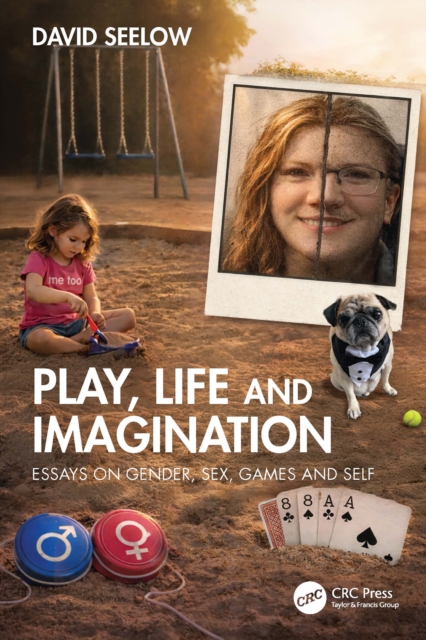
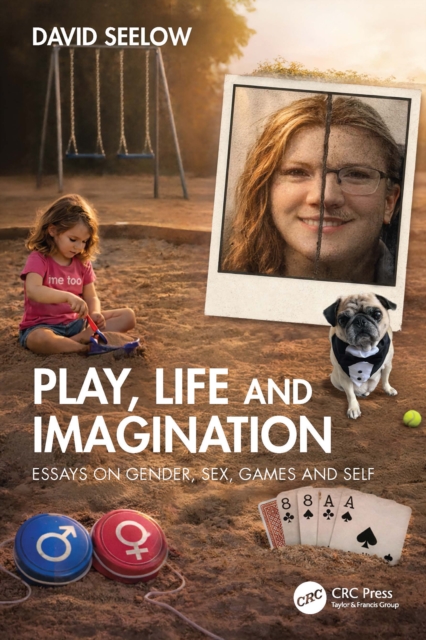
Play, Life and Imagination is a wide-ranging and deeply human exploration of play as one of the most powerful, misunderstood, and transformative forces in contemporary culture.
Play, Life and Imagination is a wide-ranging and deeply human exploration of play as one of the most powerful, misunderstood, and transformative forces in contemporary culture.
An acclaimed cultural history of bluenow available in an attractive, text-only, pocket-sized paperbackBlue has had a long and topsy-turvy history in the Western world.
An acclaimed cultural history of blacknow available in an attractive, text-only, pocket-sized paperbackBlackfavorite color of priests and penitents, artists and ascetics, fashion designers and fascistshas always stood for powerfully opposed ideas: authority and humility, sin and holiness, rebellion and conformity, wealth and poverty, good and bad.
Against the mainstream view, Gatens and Uhlmann argue that Spinoza’s philosophy can significantly contribute to understandings of art, creativity and the central place of the imagination in human wellbeing.
Against the mainstream view, Gatens and Uhlmann argue that Spinoza’s philosophy can significantly contribute to understandings of art, creativity and the central place of the imagination in human wellbeing.