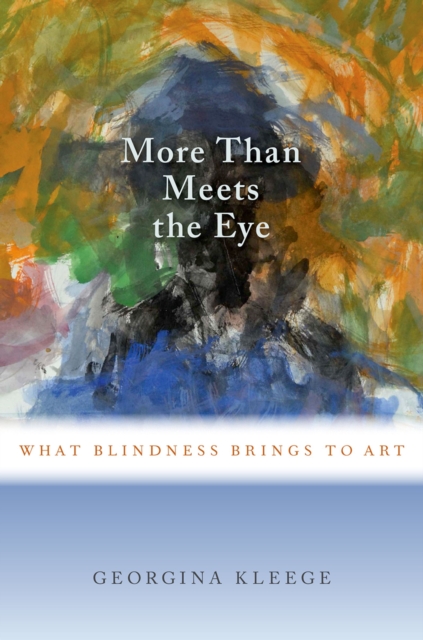
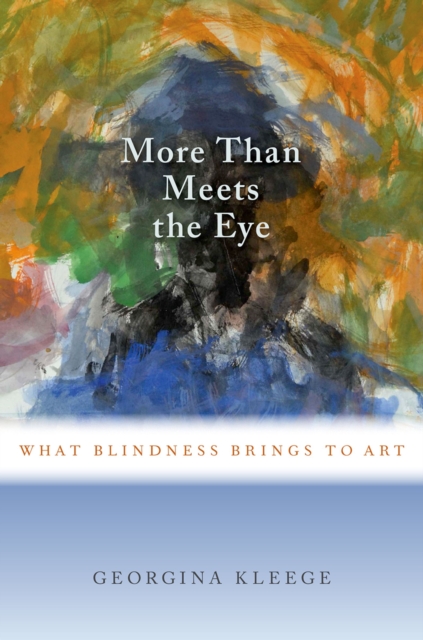
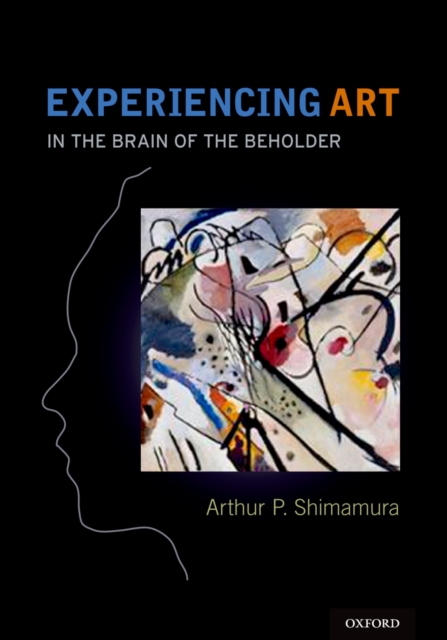
In the quarter century following the enactment of the Americans with Disabilities Act, art museums, along with other public institutions, were tasked with making their facilities and collections more accessible to people with disabilities.
In the quarter century following the enactment of the Americans with Disabilities Act, art museums, along with other public institutions, were tasked with making their facilities and collections more accessible to people with disabilities.
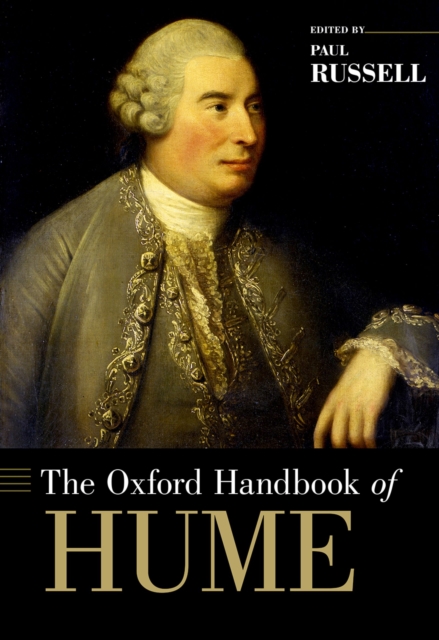
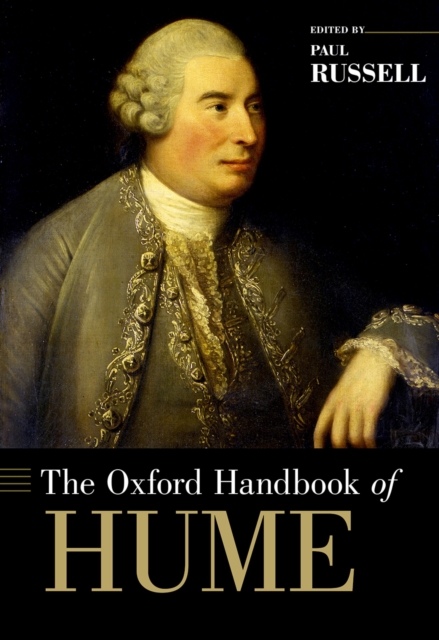
The Scottish philosopher David Hume (1711-1776) is widely regarded as the greatest and most significant English-speaking philosopher and often seen as having had the most influence on the way philosophy is practiced today in the West.
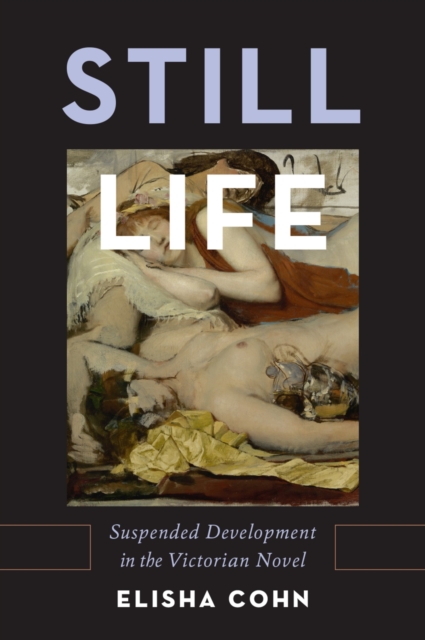
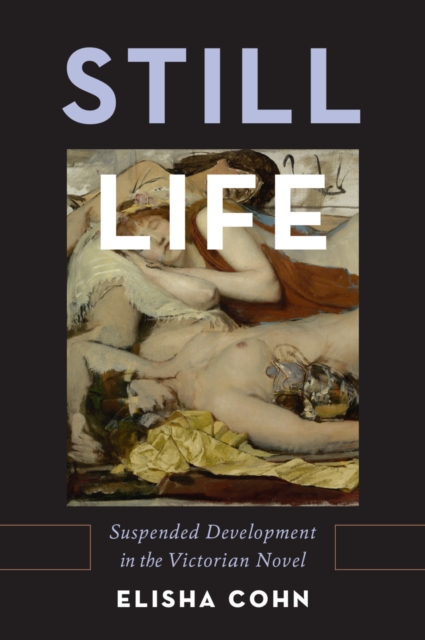
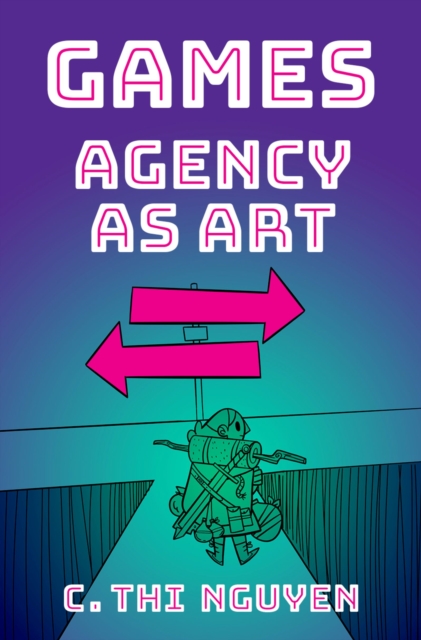
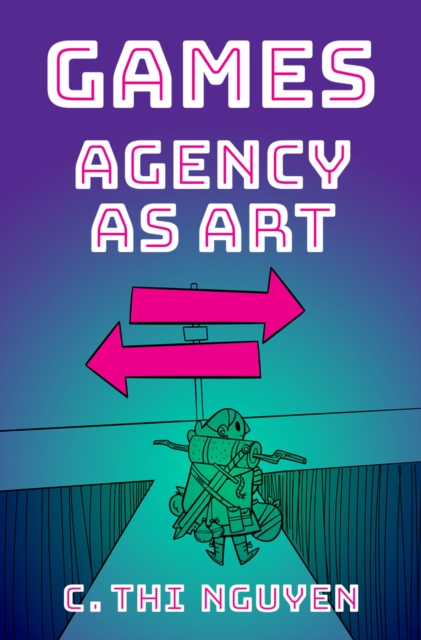
Still Life: Suspended Development in the Victorian Novel rethinks the nineteenth-century aesthetics of agency through the Victorian novel's fascination with states of reverie, trance, and sleep.
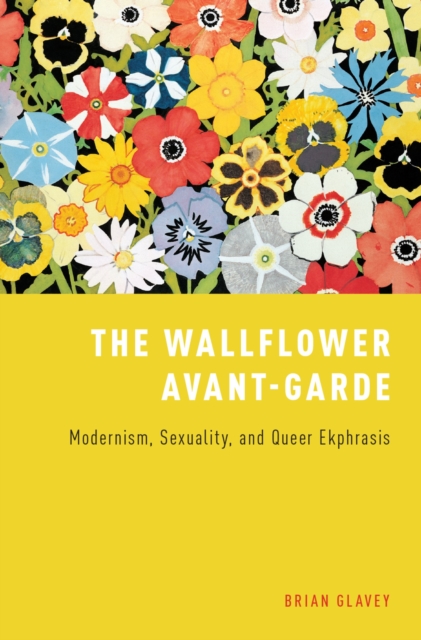
The Wallflower Avant-Garde highlights a strain of formalism visible in both modernist literature and contemporary queer studies, drawing attention to an aesthetic that is as quiet and quirky as it is queer.
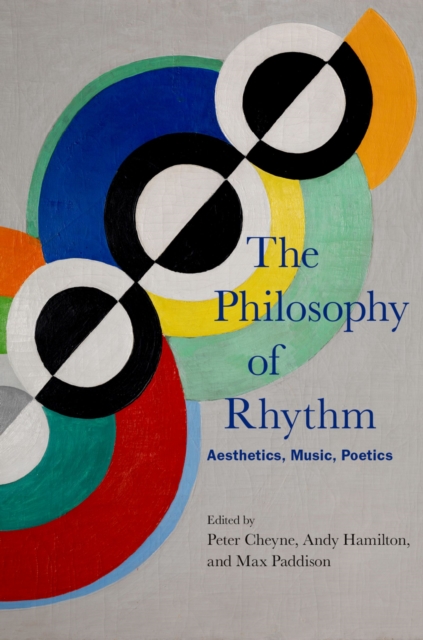
From the Romantic era onwards, music has been seen as the most quintessentially temporal art, possessing a unique capacity to invoke the human experience of time.
Most philosophy has rejected the theater, denouncing it as a place of illusion or moral decay; the theater in turn has rejected philosophy, insisting that drama deals in actions, not ideas.
The Scottish philosopher David Hume (1711-1776) is widely regarded as the greatest and most significant English-speaking philosopher and often seen as having had the most influence on the way philosophy is practiced today in the West.
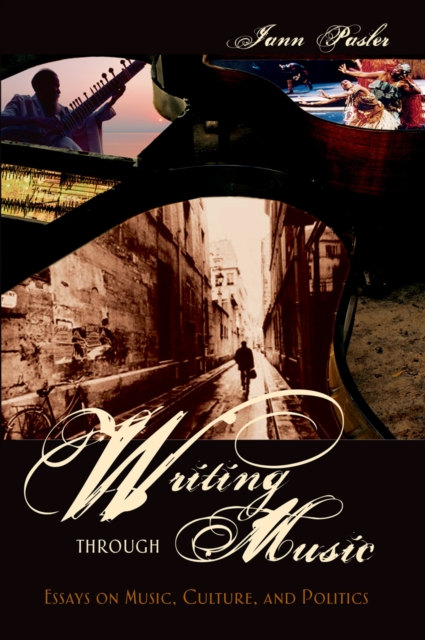
Drawing on a passion for music, a remarkably diverse interdisciplinary toolbox, and a gift for accessible language that speaks equally to scholars and the general public, Jann Pasler invites us to read as she writes "e;through"e; music, unveiling the forces that affect our sonic encounters.
Stanley Cavell has been a brilliant, idiosyncratic, and controversial presence in American philosophy, literary criticism, and cultural studies for years.
This book argues that philosophical skepticism helps define the aesthetic experience of the sublime in late seventeenth- and eighteenth-century British literature, especially the poetry of Alexander Pope.
Projections of Memory is an exploration of a body of innovative cinematic works that utilize their extraordinary scope to construct monuments to the imagination that promise profound transformations of vision, selfhood, and experience.
In Sonic Virtuality: Sound as Emergent Perception, authors Mark Grimshaw and Tom Garner introduce a novel theory that positions sound within a framework of virtuality.
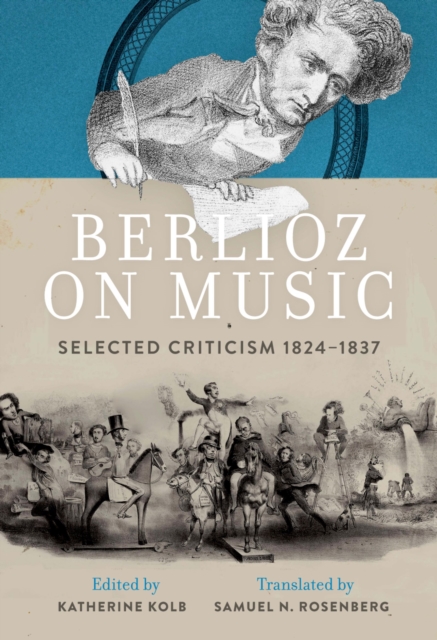
The quintessential Romantic artist of his century, Hector Berlioz impressed Paganini and Liszt as "e;Beethoven's only heir"e; and dazzled the young Wagner as a composer, orchestra conductor, and critic.
Still Life: Suspended Development in the Victorian Novel rethinks the nineteenth-century aesthetics of agency through the Victorian novel's fascination with states of reverie, trance, and sleep.
Environmental Sound Artists: In Their Own Words is an incisive and imaginative look at the international environmental sound art movement, which emerged in the late 1960s.
Environmental Sound Artists: In Their Own Words is an incisive and imaginative look at the international environmental sound art movement, which emerged in the late 1960s.
Speculation about Shakespeare's own religious beliefs and responses to the Reformation have dominated discussions of faith in the playwright's work for decades.
From the Romantic era onwards, music has been seen as the most quintessentially temporal art, possessing a unique capacity to invoke the human experience of time.
The Wallflower Avant-Garde highlights a strain of formalism visible in both modernist literature and contemporary queer studies, drawing attention to an aesthetic that is as quiet and quirky as it is queer.
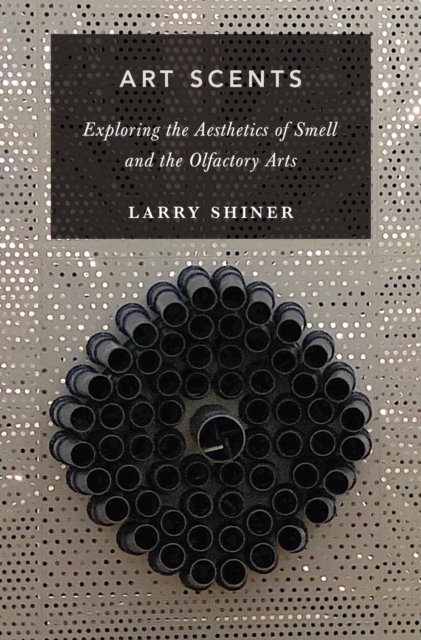
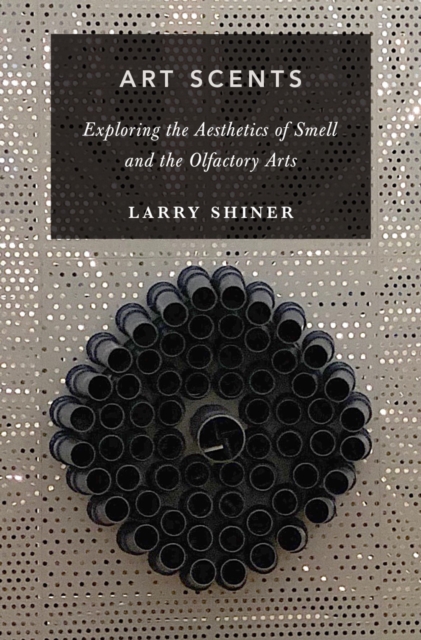
Although the arts of incense and perfume making are among the oldest of human cultural practices, it is only in the last two decades that the use of odors in the creation of art has begun to attract attention under the rubrics of 'olfactory art' or 'scent art.
Although the arts of incense and perfume making are among the oldest of human cultural practices, it is only in the last two decades that the use of odors in the creation of art has begun to attract attention under the rubrics of 'olfactory art' or 'scent art.
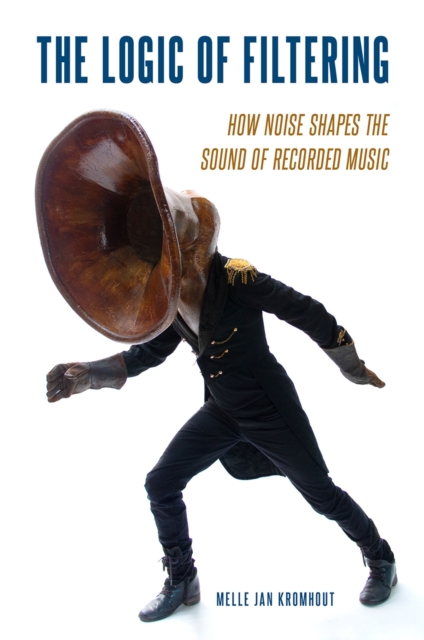
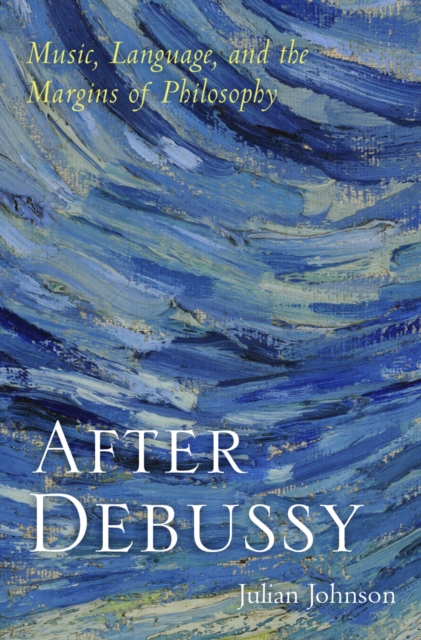
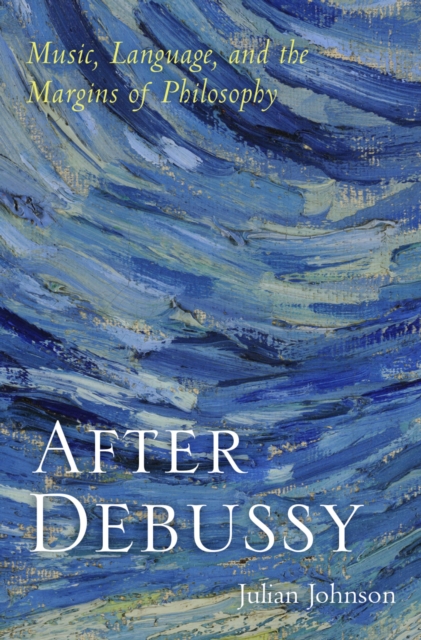
Classical music shows a close relationship to language, and both musicology and philosophy have tended to approach music from that angle, exploring it in terms of expression, representation, and discourse.
Classical music shows a close relationship to language, and both musicology and philosophy have tended to approach music from that angle, exploring it in terms of expression, representation, and discourse.
'We live within a spectacle of empty clothes and unworn masks'In this series of remarkable pieces from across his career, John Berger celebrates and dissects the close links between art and society and the individual.
'Life imitates Art far more than Art imitates Life'The two works brought together here, 'The Decay of Lying' and 'The Critic as Artist', are Oscar Wilde's wittiest and most profound writings on aesthetics, in which he proposes that criticism is the highest form of creation and that lying, the telling of a beautiful untruth, is the ultimate aim of art.
'Foucault leaves no reader untouched or unchanged' Edward SaidAesthetics, the second volume of the complete collection of Michel Foucault's courses, articles and interviews, focuses on the philosophy, literature and art which informed his engagement with ethics and power, including brilliant commentaries on the work of de Sade, Rousseau, Marx, Magritte, Nietzsche, Freud and Wagner.
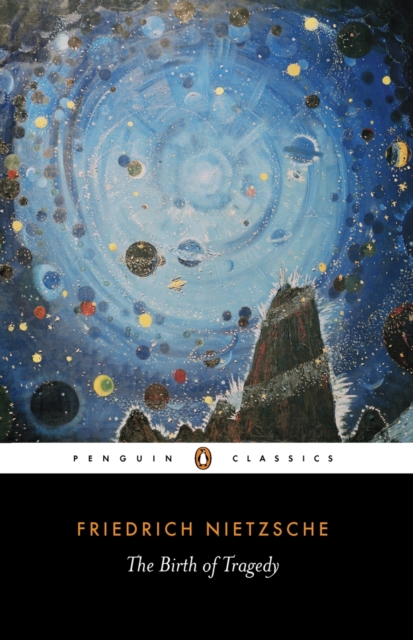
Nietzsche's first published book, The Birth of Tragedy is a compelling argument for the necessity of art in lifeThis landmark work of criticism is fuelled by Nietzsche's enthusiasms for Greek tragedy, the philosophy of Schopenhauer and the music of Wagner, to whom the book was dedicated.
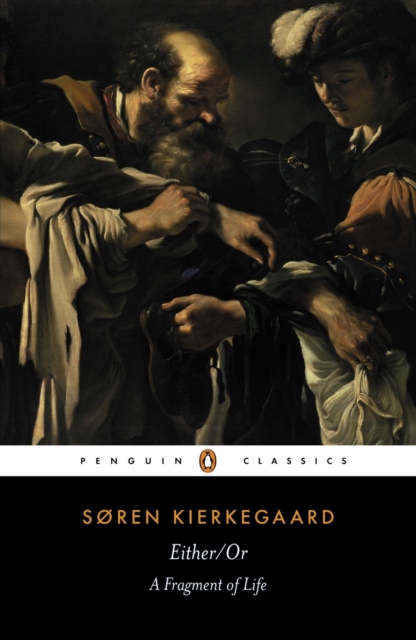
In Either/Or, using the voices of two characters - the aesthetic young man of part one, called simply 'A', and the ethical Judge Vilhelm of the second section - Kierkegaard reflects upon the search for a meaningful existence, contemplating subjects as diverse as Mozart, drama, boredom, and, in the famous Seducer's Diary, the cynical seduction and ultimate rejection of a young, beautiful woman.