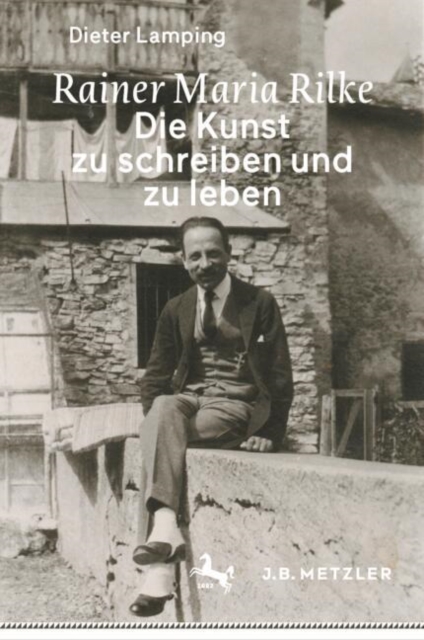
Rilke ist auch ein Jahrhundert nach seinem Tod noch eine unverwechselbare Gestalt: durch seine ebenso kunstvolle wie kühne Art zu schreiben, die ihn zu einem der großen Autoren des frühen 20.
Rilke ist auch ein Jahrhundert nach seinem Tod noch eine unverwechselbare Gestalt: durch seine ebenso kunstvolle wie kühne Art zu schreiben, die ihn zu einem der großen Autoren des frühen 20.
Living in Words: Literature, Autobiographical Language, and the Composition of Selfhood pursues three main questions: What role does literature play in the constitution of a human being?
These essays discuss various ontological and epistemological questions in moral philosophy, drawing on ideas from Platonic-Aristotelian ethics, the later Wittgenstein, and Iris Murdoch, though without seeking to weave these into any unified system.
These essays discuss various ontological and epistemological questions in moral philosophy, drawing on ideas from Platonic-Aristotelian ethics, the later Wittgenstein, and Iris Murdoch, though without seeking to weave these into any unified system.
This book establishes an argument for deeper attention to the aesthetic qualities of literature, to the question of the relation between the aesthetic and more immediate, practical, and urgent social and political matters.
This book establishes an argument for deeper attention to the aesthetic qualities of literature, to the question of the relation between the aesthetic and more immediate, practical, and urgent social and political matters.
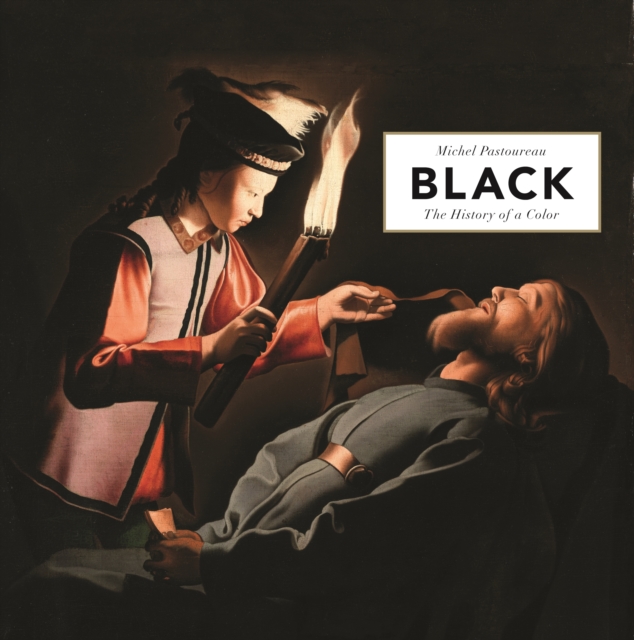
The story of the color black in art, fashion, and culturefrom the beginning of history to the twenty-first centuryBlackfavorite color of priests and penitents, artists and ascetics, fashion designers and fascistshas always stood for powerfully opposed ideas: authority and humility, sin and holiness, rebellion and conformity, wealth and poverty, good and bad.
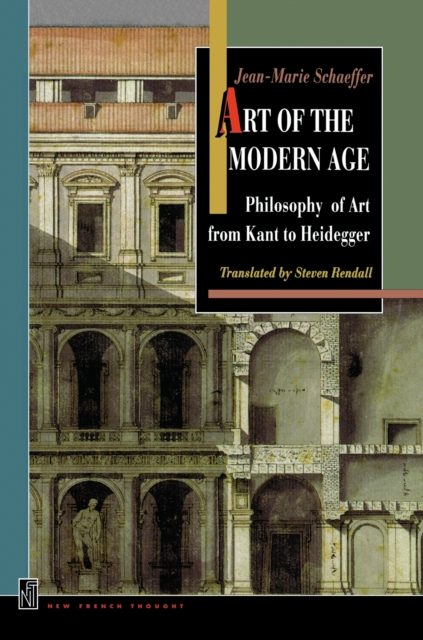
This is a sweeping and provocative work of aesthetic theory: a trenchant critique of the philosophy of art as it developed from the eighteenth century to the early twentieth century, combined with a carefully reasoned plea for a new and more flexible approach to art.
This is a sweeping and provocative work of aesthetic theory: a trenchant critique of the philosophy of art as it developed from the eighteenth century to the early twentieth century, combined with a carefully reasoned plea for a new and more flexible approach to art.
The story of the color black in art, fashion, and culturefrom the beginning of history to the twenty-first centuryBlackfavorite color of priests and penitents, artists and ascetics, fashion designers and fascistshas always stood for powerfully opposed ideas: authority and humility, sin and holiness, rebellion and conformity, wealth and poverty, good and bad.
Stephen Mulhall presents the first full-length philosophical study of the work of Stanley Cavell, best known for his highly influential contributions to the fields of film studies, Shakespearian literary criticism, and the confluence of psychoanalysis and literary theory.
Stephen Mulhall presents the first full-length philosophical study of the work of Stanley Cavell, best known for his highly influential contributions to the fields of film studies, Shakespearian literary criticism, and the confluence of psychoanalysis and literary theory.
At the core of Nietzsche's famous critique of 'morality' lies the sweeping claim that morality is the primary source of a stance of 'life-denial,' and hence an obstacle to the possibility of an affirmative stance toward life.
Living in Words: Literature, Autobiographical Language, and the Composition of Selfhood pursues three main questions: What role does literature play in the constitution of a human being?
Clement of Alexandria and the Judgement of Taste: Pedagogical Rhetoric and Christian Formation provides a new account of Clement of Alexandria's Paedagogus as a programme in the formation of the judgement of taste, situating it in critical dialogue with modern approaches to the judgement of taste and aesthetics.
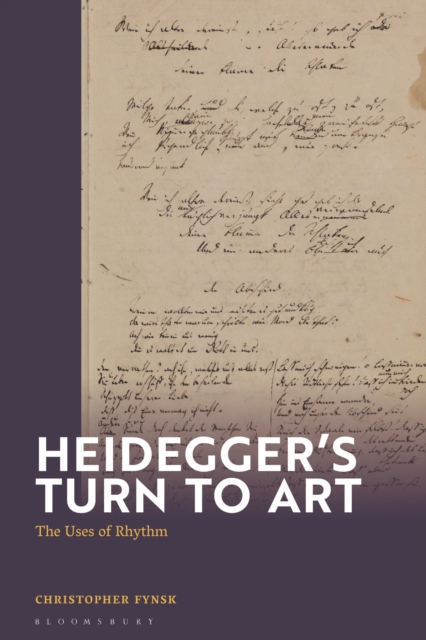
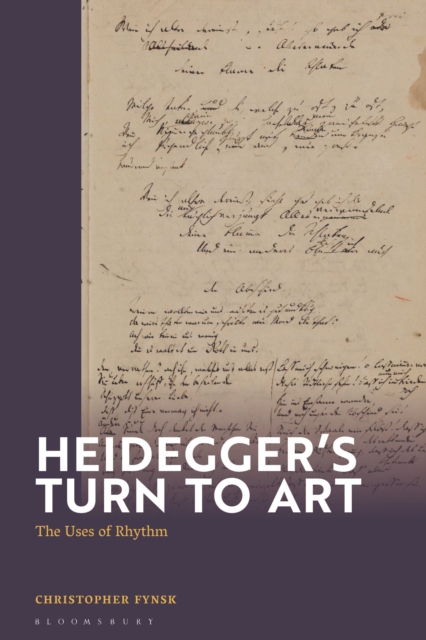
In this major new contribution to Heidegger studies, Christopher Fynsk provides an original account of Heidegger's reflections on art, and in particular the poetic work of art, to explore the central yet overlooked Heideggerian idea that all art has a rhythmic character.
While engaging with the interconnected concepts of communication and democracy in postwar American and European art criticism, this book provides a historical assessment of how these two related trends pertain to modern and contemporary art theory and practice.
While engaging with the interconnected concepts of communication and democracy in postwar American and European art criticism, this book provides a historical assessment of how these two related trends pertain to modern and contemporary art theory and practice.
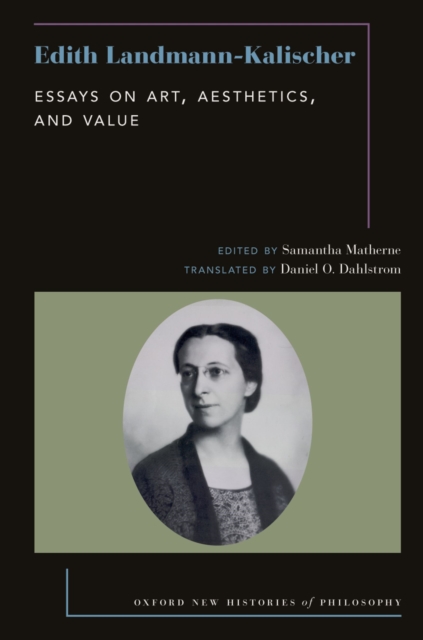
This volume brings together essential essays by an important but neglected thinker in early twentieth-century German philosophy, Edith Landmann-Kalischer.
Espíritu de la letra, de José Ortega y Gasset, pensador fundacional de la modernidad española, reúne sus mejores reseñas y ensayos literarios, donde demuestra que la crítica literaria es, ante todo, un ejercicio de filosofía aplicada a la vida.
In this major new contribution to Heidegger studies, Christopher Fynsk provides an original account of Heidegger's reflections on art, and in particular the poetic work of art, to explore the central yet overlooked Heideggerian idea that all art has a rhythmic character.