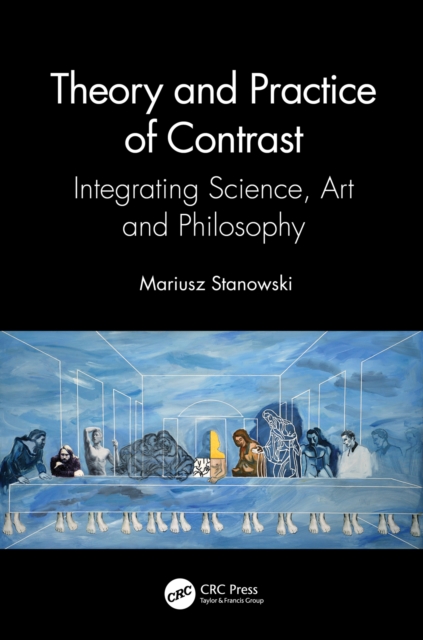
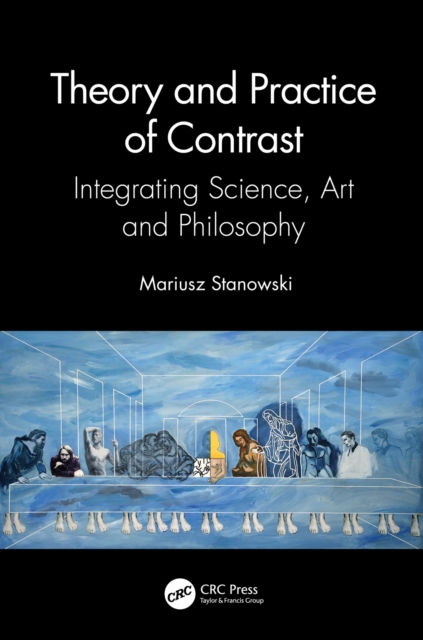
The book Theory and Practice of Contrast completes, corrects and integrates the foundations of science and humanities, which include: theory of art, philosophy (aesthetics, epistemology, ontology, axiology), cognitive science, theory of information, theory of complexity and physics.
The book Theory and Practice of Contrast completes, corrects and integrates the foundations of science and humanities, which include: theory of art, philosophy (aesthetics, epistemology, ontology, axiology), cognitive science, theory of information, theory of complexity and physics.
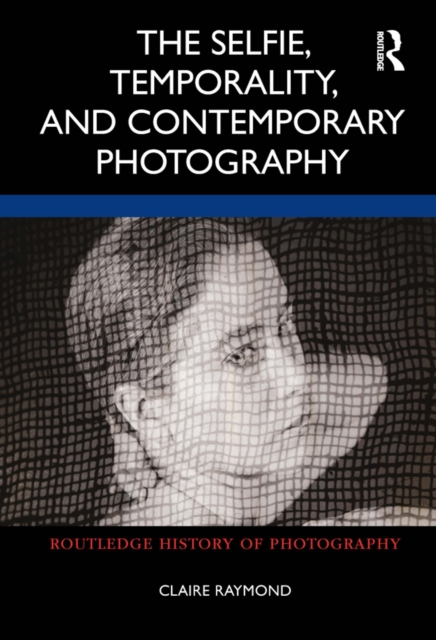
This book is a theoretical examination of the relationship between the face, identity, photography, and temporality, focusing on the temporal episteme of selfie practice.
This book is a theoretical examination of the relationship between the face, identity, photography, and temporality, focusing on the temporal episteme of selfie practice.
Shakespeare, the Renaissance and Empire: Poetry, Philosophy and Politics is the second volume of this study and builds on the first, which concentrated on related matters, including geography and language.
Shakespeare, the Renaissance and Empire: Poetry, Philosophy and Politics is the second volume of this study and builds on the first, which concentrated on related matters, including geography and language.
Interpreting Susan Sontag's Essays: Radical Contemplative offers its readers a scholarly examination of her essays within the context of philosophy and aesthetic theory.
Interpreting Susan Sontag's Essays: Radical Contemplative offers its readers a scholarly examination of her essays within the context of philosophy and aesthetic theory.
This book explores editorial and advertising discourses related to cosmetic procedures and beauty products and services in UK lifestyle magazines, offering a holistic perspective on the normalisation of cosmetic procedures and the societal context in which particular perceptions have flourished.
This book explores editorial and advertising discourses related to cosmetic procedures and beauty products and services in UK lifestyle magazines, offering a holistic perspective on the normalisation of cosmetic procedures and the societal context in which particular perceptions have flourished.
Lingering and its decried equivalents, such as dawdling, idling, loafing, or lolling about, are both shunned and coveted in our culture where time is money and where there is never quite enough of either.
Lingering and its decried equivalents, such as dawdling, idling, loafing, or lolling about, are both shunned and coveted in our culture where time is money and where there is never quite enough of either.
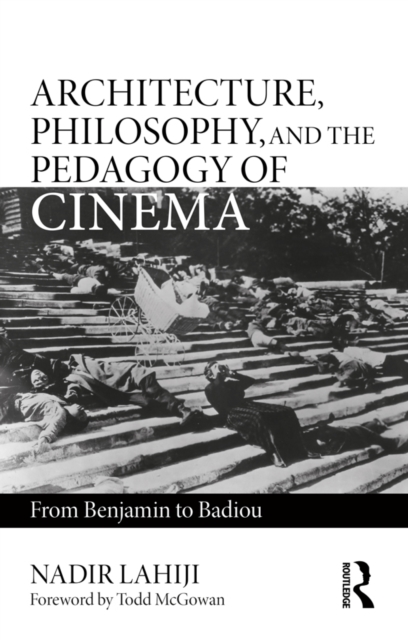
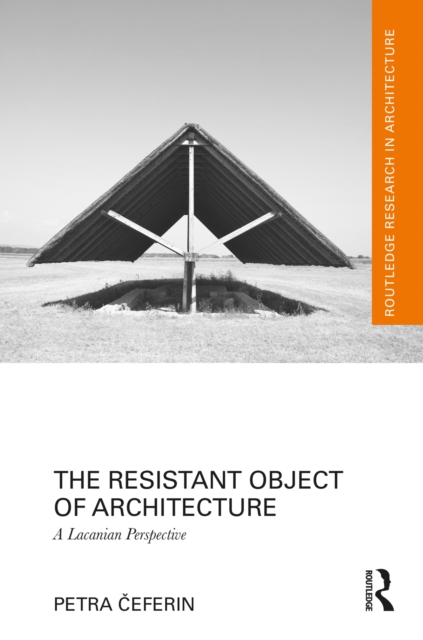
Architecture's role is becoming increasingly limited to serving the all-pervasive system of globalised capitalism and becoming a constituent, complicit part of its mechanism.
Architecture's role is becoming increasingly limited to serving the all-pervasive system of globalised capitalism and becoming a constituent, complicit part of its mechanism.
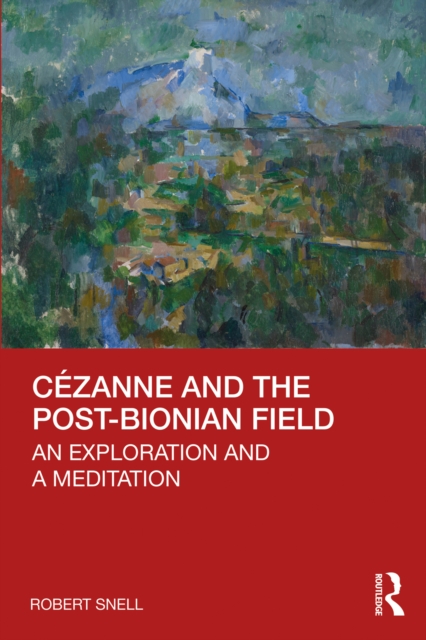
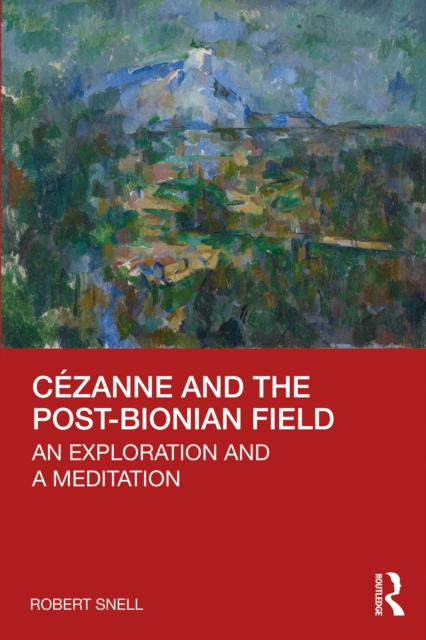
By inviting a 'conversation' between them, this book offers a nuanced introduction both to Cezanne-the 'father of modern art'-and perhaps the most vital body of theory in contemporary psychoanalysis, 'post-Bionian field theory', as it has been evolving in Italy in the hands of Antonino Ferro, Giuseppe Civitarese, and others.
By inviting a 'conversation' between them, this book offers a nuanced introduction both to Cezanne-the 'father of modern art'-and perhaps the most vital body of theory in contemporary psychoanalysis, 'post-Bionian field theory', as it has been evolving in Italy in the hands of Antonino Ferro, Giuseppe Civitarese, and others.
Notions of the sublime are most often associated with the extraordinary, and include the intra-psychic, high-cultural and exceptional occurrences of elation and exaltation as part of the experience.
This book is intended as a structured presentation of the major ideas of the most important trends of thought in the Marxist theory of art and is constructed as a map of the field of Marxist aesthetics.
Notions of the sublime are most often associated with the extraordinary, and include the intra-psychic, high-cultural and exceptional occurrences of elation and exaltation as part of the experience.
This book is the first major study that explores the intrinsic connection between music and myth, as Nietzsche conceived of it in The Birth of Tragedy (1872), in three great works of modern literature: Romain Rolland's Nobel Prize winning novel Jean-Christophe (1904-12), James Joyce's modernist epic Ulysses (1922), and Thomas Mann's late masterpiece Doctor Faustus (1947).
This book is the first major study that explores the intrinsic connection between music and myth, as Nietzsche conceived of it in The Birth of Tragedy (1872), in three great works of modern literature: Romain Rolland's Nobel Prize winning novel Jean-Christophe (1904-12), James Joyce's modernist epic Ulysses (1922), and Thomas Mann's late masterpiece Doctor Faustus (1947).
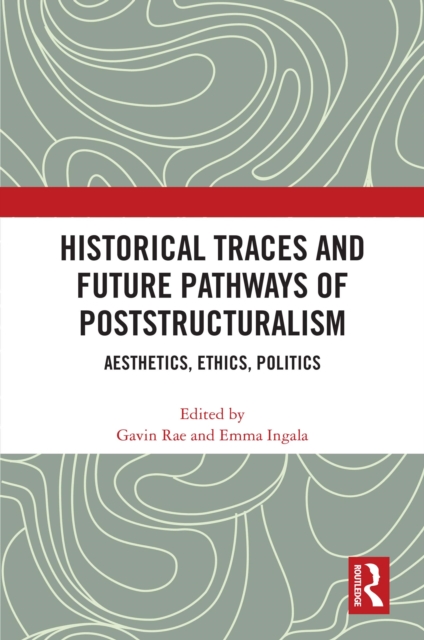
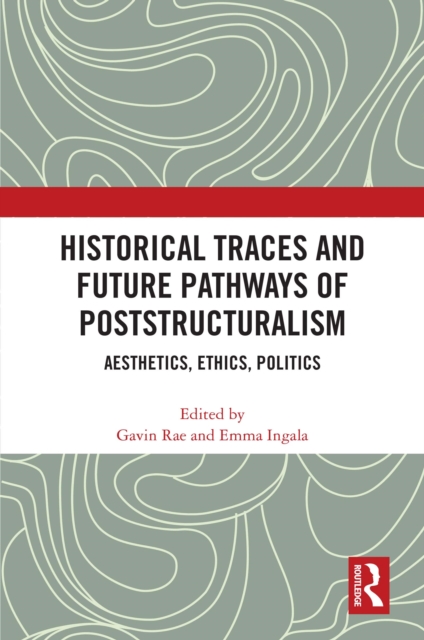
This volume brings together an international array of scholars to reconsider the meaning and place of poststructuralism historically and demonstrate some of the ways in which it continues to be relevant, especially for debates in aesthetics, ethics, and politics.
This volume brings together an international array of scholars to reconsider the meaning and place of poststructuralism historically and demonstrate some of the ways in which it continues to be relevant, especially for debates in aesthetics, ethics, and politics.
This book offers a reassessment of how "e;matter"e; - in the context of art history, criticism, and architecture - pursued a radical definition of "e;multiplicity"e;, against the dominant and hierarchical tendencies underwriting post-fascist Japan.
This book offers a reassessment of how "e;matter"e; - in the context of art history, criticism, and architecture - pursued a radical definition of "e;multiplicity"e;, against the dominant and hierarchical tendencies underwriting post-fascist Japan.
How do cultural changes such as the increasing lustful possibilities of our liquid modernity affect 'romantic' values as psychotherapists and counsellors - and, in turn, affect how they work through their clients' relationships?
How do cultural changes such as the increasing lustful possibilities of our liquid modernity affect 'romantic' values as psychotherapists and counsellors - and, in turn, affect how they work through their clients' relationships?