Die in diesem Band zusammengestellten Texte Schlicks aus den Zwanziger- und Dreißigerjahren vermitteln vor dem Hintergrund der Einstein'schen Relativitätsrevolution das Bild einer Zeit des radikalen Umbruchs und der Entstehung des Neuen in der Physik.
Im vorliegenden Buch stellt Klaus Oehler die Lehre vom noetischen und dianoetischen Denken bei Platon und Aristoteles dar und begründet damit erstmals die These, dass das für die neuzeitliche Philosophie zentrale Problem der Reflexion und des Selbstbewusstseins schon, wenn auch nicht in gleicher Weise, in der antiken Philosophie eine Rolle gespielt hat.
Dieses Buch bietet erstmals einen methodisch abgesicherten und inhaltlich umfassenden Kommentar zu den beiden Einleitungen in die Kritik der Urteilskraft.
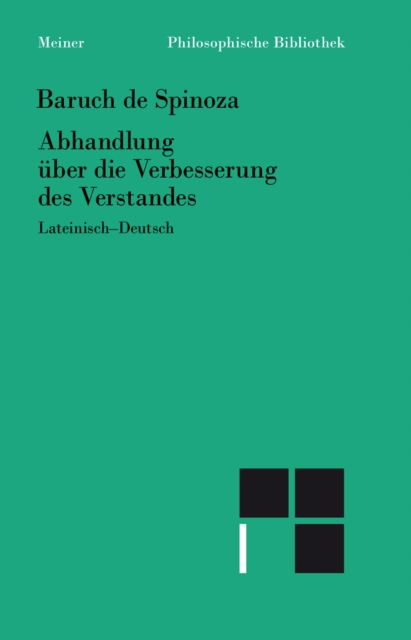
Der »Tractatus de intellectus emendatione« ist eine unvollendete Frühschrift Spinozas, der er jedoch auch nach Vollendung der »Ethik« noch eine eigene Bedeutung zumaß.
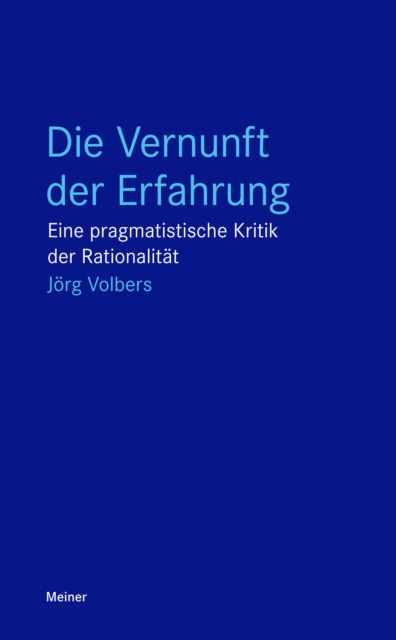
Die moderne Philosophie steht im Schatten des Skeptizismus: Alle Wissensansprüche scheinen fallibel, alle Theorien nur vorläufig, alle Gewissheiten nur temporär zu sein.
Die moderne Philosophie steht im Schatten des Skeptizismus: Alle Wissensansprüche scheinen fallibel, alle Theorien nur vorläufig, alle Gewissheiten nur temporär zu sein.
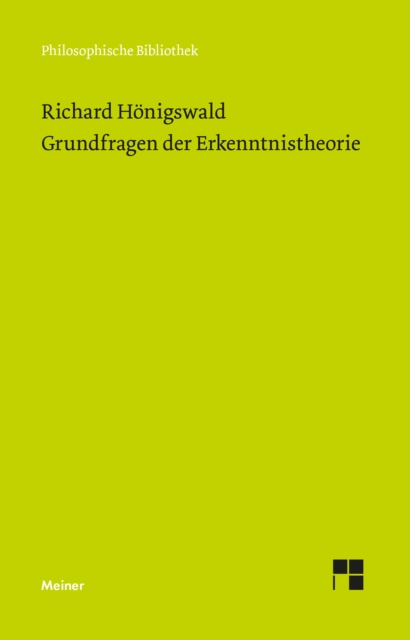
In seiner systematischen Grundlegung Grundfragen der Erkenntnistheorie (1931) arbeitet Hönigswald in Auseinandersetzung mit den Hauptströmungen der damaligen Diskussion die korrelative Dialektik von Erkenntnis und Monas für den Prozeß des Begreifens der Wirklichkeit heraus, in welche die begreifende Monas selbst mit eingebunden ist.
Diese Ausgabe der Kategorienlehre Eduard von Hartmanns vereint alle drei Bände, die 1923 von Fritz Kern unter Beachtung der Verfasserhandschrift herausgegeben wurden.
In Auseinandersetzung mit Kants Systemidee wird in dieser Arbeit gezeigt, dass die Gesamtanlage des Kantischen Systems nur von der Annahme eines systemtragenden Prinzips her aufzuschließen ist.
Unter den Begriffen, mit denen die Philosophie es zu tun hat, sind wenige derart vielgestaltig und umstritten wie "Dialektik", "Reflexion" und "Vernunft".
Ziel der vorliegenden Einführung ist es, den Text der »Kritik der reinen Vernunft« zu erschließen und dabei auch unterschiedliche Interpretationsrichtungen und -haltungen zu Wort kommen zu lassen, die aber in der Auffassung übereinkommen, dass dieses epochemachende Werk Kants Grundlegung einer kritischen Metaphysik sei – was vielen bis heute nicht zu Bewußtsein gekommen zu sein scheint und wegen dessen undogmatischem Charakter auch eine Herausforderung bleibt.
Das Imaginäre widersetzt sich – wie auch immer man es zu definieren versucht – festen, geschichtlich und kontextuell übergreifenden Bestimmungen; und doch ist die philosophische (und später dann die ästhetische und anthropologische) Anstrengung zur Klärung der Funktionsweise jener Apparatur, die man 'phantasia', 'imaginatio' oder Einbildungskraft genannt hat, in der abendländischen Kultur immer außerordentlich prägnant gewesen.
In »De veritate« entwickelt Anselm von Canterbury (1033/34–1109) in der literarischen Form eines Dialogs die erste Wahrheitskonzeption der abendländischen Philosophiegeschichte, die diesen Namen wirklich verdient.
Dieser Band bietet sechs wichtige, im Original nur schwer zugängliche Aufsätze aus den Jahren 1913-39, in denen Cassirer die Grundzüge des in seinen Hauptwerken entwickelten Erkenntnisbegriffs darlegt und zeitgenössische Mißverständnisse zurückweist.
Die in diesem Band vereinten Aufsätze spiegeln Brentanos späte Ansichten wieder; die Einleitung wurde für den allgemein philosophisch interessierten Leser konzipiert und behandelt Brentanos Theorie des Kontinuums, des Ursprungs des Zeitbewußtseins und -begriffs und seine Theorie des Räumlichen.
Die Problemlage, von der Sallis ausgeht, ist die noch keineswegs bewältigte, aber auch nicht mehr mit Aussicht auf Erfolg revidierbare Einsicht, dass die das abendländische Denken von Beginn an leitende Hoffnung, die dem Menschen gegebene Vernunft biete ihm die Chance zur Erkenntnis des Absoluten und damit der Sinnhaftigkeit seines Daseins, sich als eine unverzichtbare, aber uneinlösbare Illusion entpuppte.
Diese Anthologie versammelt die zentralen Texte der Berliner Gruppe um den Philosophen und Wissenschaftstheoretiker Hans Reichenbach, die in den 1920er Jahren parallel zum Wiener Kreis die Grundsätze einer »wissenschaftlichen Philosophie« entwickelte und die Grundlagen der modernen Wissenschaftstheorie legte.
Das Erstlingswerk von David Hume (1711–1776), das hier in der bearbeiteten Übersetzung von Theodor Lipps neu ediert wird, trägt den Titel A Treatise of Human Nature: Being an Attempt to Introduce the Experimental Method of Reasoning into Moral Subjects; die Bücher I und II der Schrift (Über den Verstand, Über die Affekte) wurden 1739 anonym publiziert, Buch III (Über Moral) folgte 1740, ebenfalls anonym.
Neuausgabe des grundlegenden Werkes des englischen Empirismus nach der Übersetzung von Theodor Lipps Das Erstlingswerk von David Hume (1711-1776), das hier in der bearbeiteten Übersetzung von Theodor Lipps neu ediert wird, trägt den Titel A Treatise of Human Nature: Being an Attempt to Introduce the Experimental Method of Reasoning into Moral Subjects; die Bücher I und II der Schrift (Über den Verstand, Über die Affekte) wurden 1739 anonym publiziert, Buch III (Über Moral) folgte 1740, ebenfalls anonym.
Im ersten Band der »Beiträge zur Berichtigung bisheriger Mißverständnisse der Philosophen« (Jena, 1790) legt Reinhold seine Elementarphilosophie vor und vertieft damit die schon im Versuch einer neuen Theorie des menschlichen Vorstellungsvermögens (Prag und Jena, 1789) ausgearbeitete Lehre.
Mit der »Kritik der Urteilskraft« (1790) bringt Kant seine kritischen Untersuchungen zu den Möglichkeiten und Grenzen der reinen Erkenntnisvermögen a priori zum Abschluss.
Diese Ausgabe enthält mit den "Regulae ad directionem ingenii" und den sachlich korrespondierenden "Cogitationes privatae" zwei frühe Texte Descartes' aus der Zeit von 1619 bis 1628; erstere in einer völlig neuen, letztere erstmalig in einer deutschen Übersetzung.
Karl Leonhard Reinholds »Versuch einer neuen Theorie des menschlichen Vorstellungsvermögens« (1789) ist aufgegliedert in eine lange Vorrede und drei Bücher.
Dieses liebevoll gestaltete kleine Werk ist eine bunte Sammlung an Gedichten, Gedanken oder Lebensweisheiten und Sinnsprüchen die der Autor in über 15 Jahren persönlicher Suche im Alltag oder während der Arbeit mit zahlreichen Menschen oder in verschiedensten Lebenssituationen durch plötzliche Eingebung oder tieferes Nachsinnen zu einer Fülle an Themenfeldern wie "Liebe und Hass" oder "das eigene Werden", "die Kraft der Vision", dem "Unterschied zwischen Wissen und Weisheit und der Suche nach Wahrheit" und vielem mehr sammelte.
Seine eigenen Gedanken zu entwickeln, ist insbesondere in der heutigen reizüberfluteten Medien- und Unterhaltungswelt unerlässlich und zugleich um so schwieriger, weil diese alles durchdringt und uns in ihren Bann zieht.
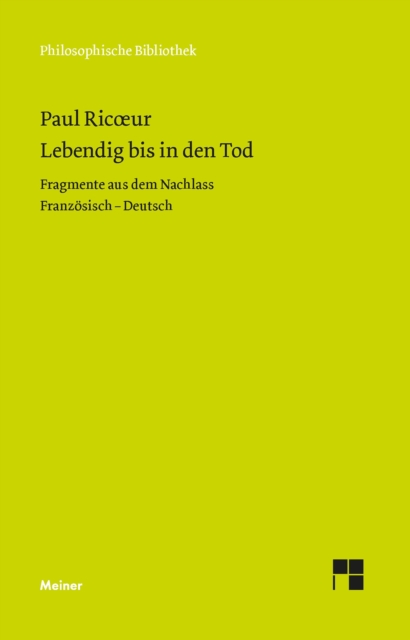
In diesen nachgelassenen fragmentarischen Texten widmet sich Ricœur, der Großmeister einer hermeneutisch angelegten Phänomenologie des Lebens, der Grenzfrage nach dem Tod und der Bedeutung der unausweichlichen Sterblichkeit des Einzelnen für das Leben derer, die ihr entgegensehen, und derer, die durch den Verlust eines Nahestehenden von ihr getroffen werden.
Die Rede vom Rätsel der Sichtbarkeit indiziert ein Unsichtbares, das als Kehrseite einer auf Präsenz ausgerichteten Welt fungiert und sich jeder Durchsichtigkeit sowie jeder Beherrschung seitens des Subjekts entzieht.