Explore the essential principles of scientific inquiry and develop strong critical thinking skills with this comprehensive course on the Scientific Method and Critical Thinking.
This book explores some of Kit Fine's outstanding contributions to logic, philosophy of language, philosophy of mathematics, and metaphysics, among others.
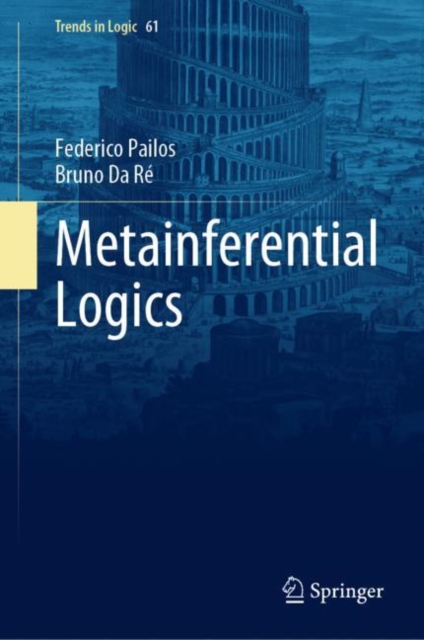
This book is the first to present a comprehensive investigation of the technical features of the metainferential logics developed in the last years, with their most relevant results and applications.
This book is the first to present a comprehensive investigation of the technical features of the metainferential logics developed in the last years, with their most relevant results and applications.
This book explores some of Kit Fine's outstanding contributions to logic, philosophy of language, philosophy of mathematics, and metaphysics, among others.
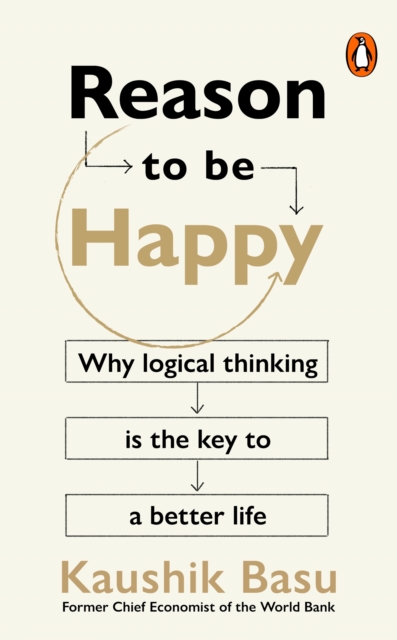
'Reason to Be Happy is a wise and witty book that shows how thinking clearly can help us find happiness in our daily lives, get more of what we want, and even make the world a better place' Hannah FryWhy do our friends have more friends than we do?
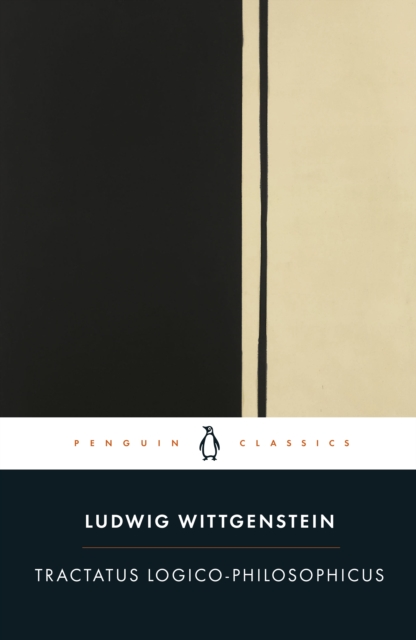
One of the greatest philosophical works of all time, in a new translation for the twenty-first century'The final philosopher to perform the most profound surgery on philosophy .
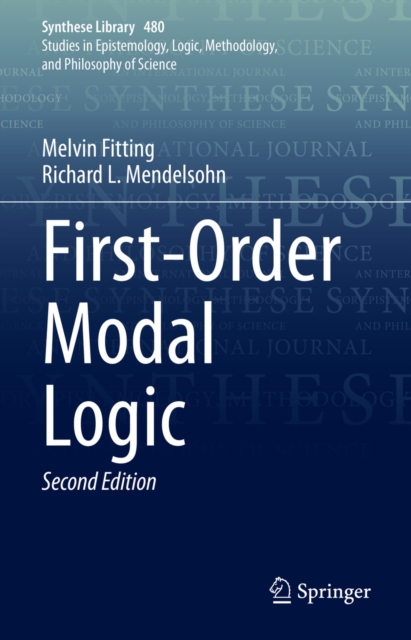
This revised edition of the highly recommended book "e;First-Order Modal Logic"e;, originally published in 1998, contains both new and modified chapters reflecting the latest scientific developments.
This revised edition of the highly recommended book "e;First-Order Modal Logic"e;, originally published in 1998, contains both new and modified chapters reflecting the latest scientific developments.
Methods and Skills for Philosophy introduces students to methodologies, strategies, heuristics and formal tools which are typically employed in contemporary analytic philosophy.
Der erste Teilband der Vorlesungsnachschriften zu Hegels Wissenschaft der Logik innerhalb der »Gesammelten Werke« (GW 23,1) enthält die Nachschriften, die in Jena sowie vor dem Hintergrund der ersten Auflage der »Enzyklopädie « (1817) entstanden sind.
Este ensayo es el resultado de la investigación del logos fantástico y sus artificios inventivos para hacer surgir mundos, desde una disposición ingeniosa del pensamiento y en constante búsqueda de amistad entre las cosas distintas y distantes.
Chaos in der Gefühlswelt - Fiene hilft Ordnung hineinzubringenFür Kinder ist jeder Tag ein Tag neuer Erlebnisse und Abenteuer, aber auch ein Tag voller neuer Dinge, die sie nicht benennen oder zuordnen können.
This book provides an English translation of the work Principles of the Probability Calculus published in 1886 by Johannes von Kries, which discusses the range theory of probability.