Buscar la verdad, y buscarla interdisciplinarmente, porque lo que está en juego en las comunidades universitarias no es sólo una categoría de «excelencia» medible cuantitativamente, sino la vida humana y su dignidad, es el «camino» que como legado nos ha dejado a todos la amigable presencia y el trabajo intelectual de Camino Cañón Loyes.
Whilst the greatest effort has been made to ensure the quality of this text, due to the historical nature of this content, in some rare cases there may be minor issues with legibility.
Whilst the greatest effort has been made to ensure the quality of this text, due to the historical nature of this content, in some rare cases there may be minor issues with legibility.
Whilst the greatest effort has been made to ensure the quality of this text, due to the historical nature of this content, in some rare cases there may be minor issues with legibility.
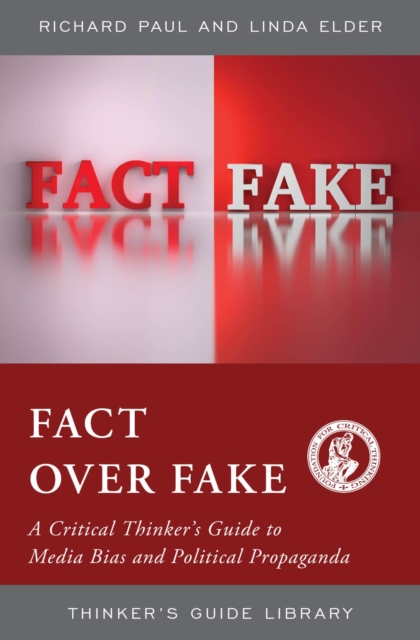
Today's instantaneous and ever-present news stream frequently presents a sensationalized or otherwise distorted view of the world, demanding constant critical engagement on the part of everyday citizens.
In this study two strands of inferentialism are brought together: the philosophical doctrine of Brandom, according to which meanings are generally inferential roles, and the logical doctrine prioritizing proof-theory over model theory and approaching meaning in logical, especially proof-theoretical terms.
The book offers a novel approach to the idea of divinity in guise of a philosophical doctrine called 'Logical Pantheism', according to which the only way to establish the existence of God undeniably is by equating God with Logical Space.
This edited book brings together research work in the field of constructive semantics with scholarship on the phenomenological foundations of logic and mathematics.
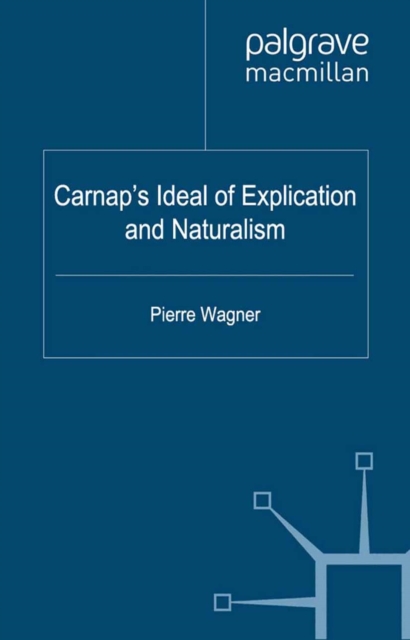
The book consists of a series of chapters on Carnap's ideal of explication as an alternative to the naturalistic conceptions of science, setting it in its historical context, discussing specific cases of explications, and enriching the on-going debate on conceptual engineering and naturalism in analytic philosophy.
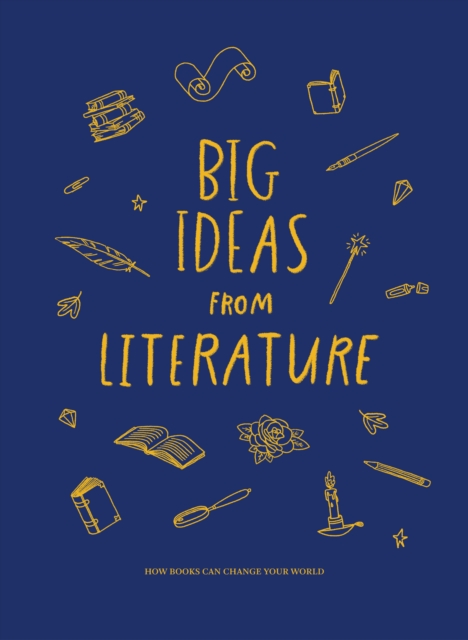
This third book in the best-selling Big Ideas series introduces readers to the classics, as well as modern childrens fictiona charming addition to Big Ideas for Curious Minds and Big Ideas from HistoryGreat stories are often universal: our very souls shine with new ideas when we read them.
Ein zentraler Text der Philosophiegeschichte: Wittgensteins Abhandlung ist so einflussreich wie kurz und auch darin kaum einem anderen Text der Philosophie vergleichbar.
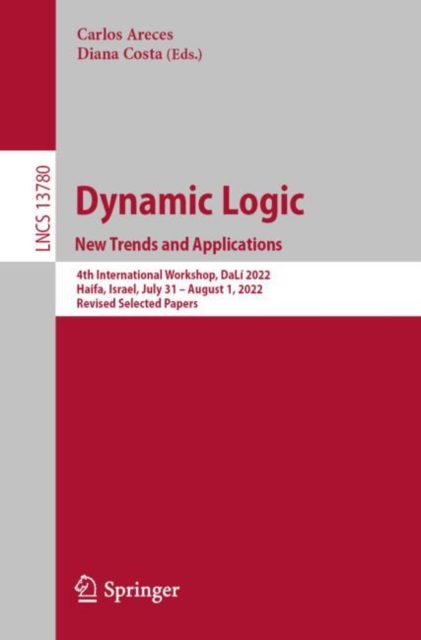
This book constitutes revised selected papers from the refereed proceedings of the 4th International Workshop on Dynamic Logic, DaLi 2022, held in Haifa, Israel, in July/August 2022.
Self-awareness is the capacity to concentrate on ourself and determine whether our behaviors, ideas, or emotions are consistent with our internal standards.
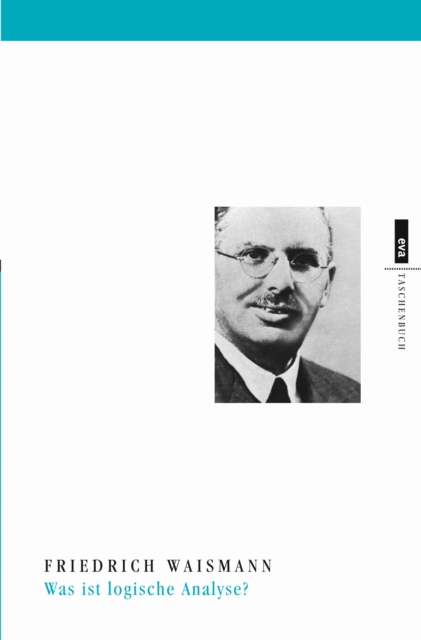
Waismanns Auseinandersetzung mit der Philosophie Wittgensteins findet ihren Niederschlag in diesen Aufsätzen zu mathematisch-logischen und allgemeineren philosophischen Problemstellungen aus den Jahren 1928 bis 1956.
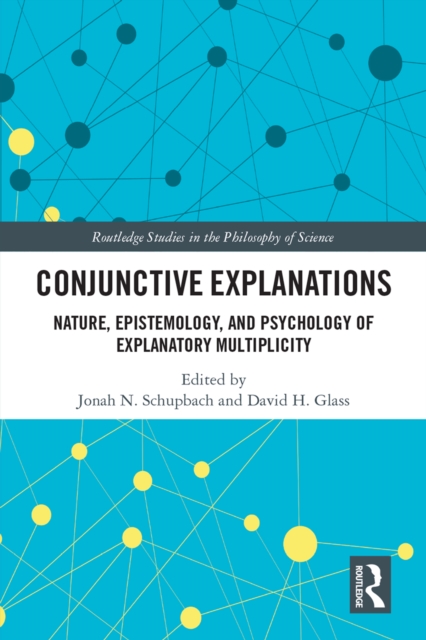
Philosophers and psychologists are increasingly investigating the conditions under which multiple explanations are better in conjunction than they are individually.
Philosophers and psychologists are increasingly investigating the conditions under which multiple explanations are better in conjunction than they are individually.
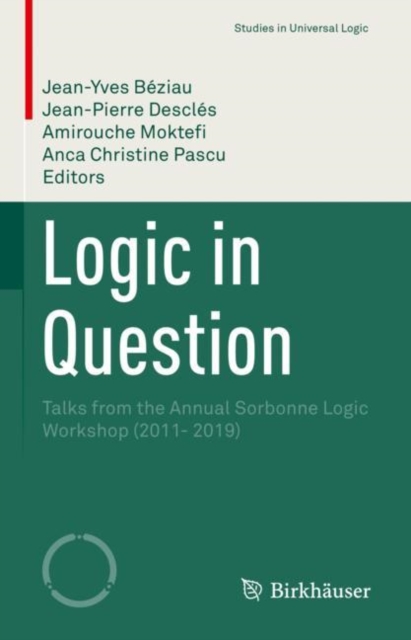
This contributed volume collects papers related to the Logic in Question workshop, which has taken place annually at Sorbonne University in Paris since 2011.
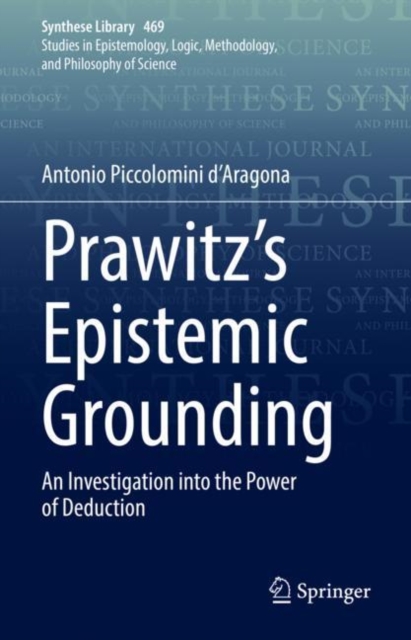
This book presents an in-depth and critical reconstruction of Prawitz's epistemic grounding, and discusses it within the broader field of proof-theoretic semantics.
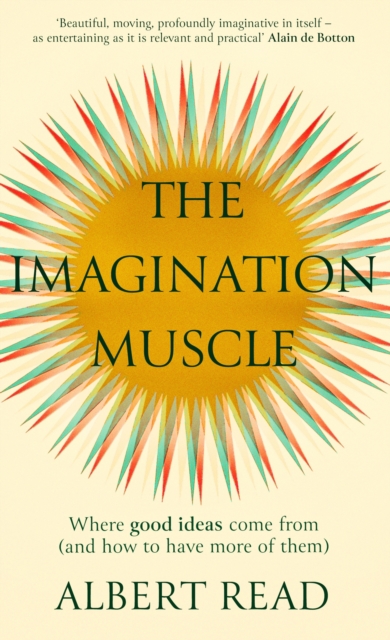
'Beautiful, moving, profoundly imaginative in itself - this book is as entertaining as it is relevant and practical' ALAIN DE BOTTON'Anyone who has an imagination - that is, everyone - should read this book' EDWARD ENNINFUL'An extraordinary book - an elaborate cabinet of curiosities' SPECTATORFor some, the imagination is a luxury in the modern age; something which is by turns elusive, difficult to employ and better left to others.
This volume explores the unity of logic, epistemology and ontology in Hegel's dialectic and the interrelation among the three, thereby revealing the internal features of Hegel's dialectic as well as the connection and divergence between Hegel's and Marx's philosophical thought.
This volume explores the unity of logic, epistemology and ontology in Hegel's dialectic and the interrelation among the three, thereby revealing the internal features of Hegel's dialectic as well as the connection and divergence between Hegel's and Marx's philosophical thought.
Focusing on the self-negation and reflective forms of Hegel's dialectics, and representing the spirit of nous and logos respectively, this volume explores core functions in the subjectivity, free spirit and practicality of Hegelian dialectics.
Focusing on the self-negation and reflective forms of Hegel's dialectics, and representing the spirit of nous and logos respectively, this volume explores core functions in the subjectivity, free spirit and practicality of Hegelian dialectics.
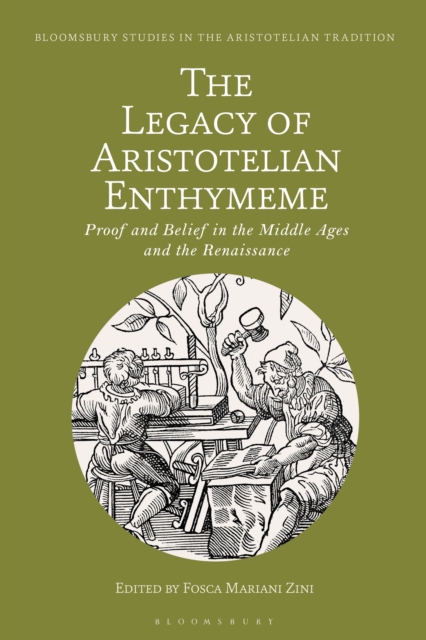
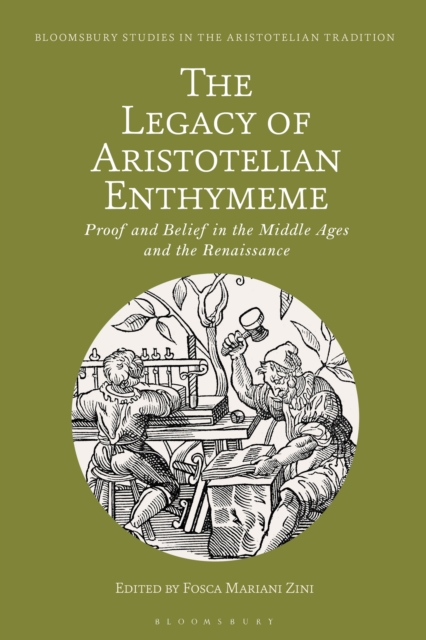
The Legacy of Aristotelian Enthymeme provides a historical-logical analysis of Aristotle's rhetorical syllogism, the enthymeme, through its Medieval and Renaissance interpretations.
The Legacy of Aristotelian Enthymeme provides a historical-logical analysis of Aristotle's rhetorical syllogism, the enthymeme, through its Medieval and Renaissance interpretations.