Systemics of Emergence: Research and Development is a volume devoted to exploring the core theoretical and disciplinary research problems of emergence processes from which systems are established.
Briefly: Kant's Groundwork of the Metaphysics of Morals is a summarized version of Immanual Kant's original treatsie, which is designed to assist university and sixth-form students in acquiring knowledge and understanding of this key text.
In recent years the majority of scholarship on Aristotle's philosophy of mind has concentrated on his account of sensation and has generally sought to find in his ancient account insights applicable to contemporary materialistic explanations of mental life.
Examines animal intelligences within a greater evolutionary context, detailing in particular the remarkable intelligence of crows and octopuses Looks at the Australian Aborigine Dreamtime as an attempt to understand the combined geological and geomantic landscape Investigates a range of ideas as they relate to the intersections of consciousness and reality, including reincarnation, past-life memories, ghosts, and UFOs From the origins of the cosmos to the microbiome, COVID-19 pandemic, UFOs, and the shapeshifting of octopuses and language of crows, Richard Grossinger traverses the mysteries and enigmas that defi ne our universe and personal reality.
Joseph Acquisto examines literary writers and critical theorists who employ theological frameworks, but who divorce that framework from questions of belief and thereby remove the doctrine of salvation from their considerations.
Joseph Acquisto examines literary writers and critical theorists who employ theological frameworks, but who divorce that framework from questions of belief and thereby remove the doctrine of salvation from their considerations.
An exploration into consciousness, the universe, and the nature of reality Draws on transdimensional physics and biology, reincarnation and past-life memories, animal consciousness, multiple identities, thoughtforms, soul pictures, and paranormal phenomena like crop circles and poltergeists Explores the riddle of personal identity and how it differs from consciousness Reveals that consciousness is more than encompassing all that exists--it also speaks to what has yet to manifest Scientific orthodoxy views the universe as conceived of matter--protons, neutrons, electrons, down to the smallest particle, quarks.
Enter the mind of Jodo and follow his initiatory saga from Zen disciple to revolutionary filmmaker to spiritual teacher Explores the sacred trickery of shamans he encountered, including Carlos Castaneda, and how intention and action matter more than notions of true and false Explains the Way of Kindness and how small acts of generosity and goodness can have a profound effect on your spirit, infusing life with a wealth of happiness Includes contributions from friends and students of Jodorowsky on their experiences with him, including his son Adan Jodorowsky Known for his surrealist films, his unique approach to tarot, his symbolic comics, and his shamanic therapeutic method of psychomagic, Alejandro Jodorowsky has accomplished an extraordinary amount in his more than 80 years.
Humanitys creative role within the living pattern of nature Explores important scientific discoveries that reveal the self-organizing intelligence at the heart of nature Examines the idea of a living cosmos from its roots in the earliest cultures, to its eclipse during the Scientific Revolution, to its return today Reveals ways to reengage our creative partnership with nature and collaborate with natures intelligence For millennia the world was seen as a creative, interconnected web of life, constantly growing, developing, and restoring itself.
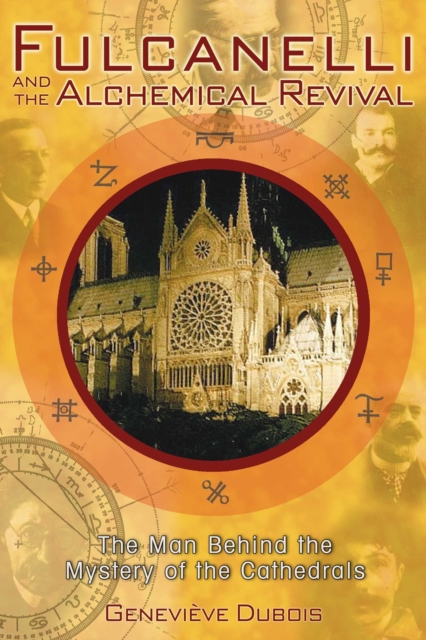
Sheds new light on the identity of the alchemist Fulcanelli Provides new understanding of the relationships between the most important figures of the esoteric milieu of Paris in the first half of the 20th century Includes a wealth of rarely seen documents, photos, and lettersFulcanelli, operative alchemist and author of The Mystery of the Cathedrals and The Dwellings of the Philosophers--two of the most important esoteric works of the twentieth century--remains himself a mystery.
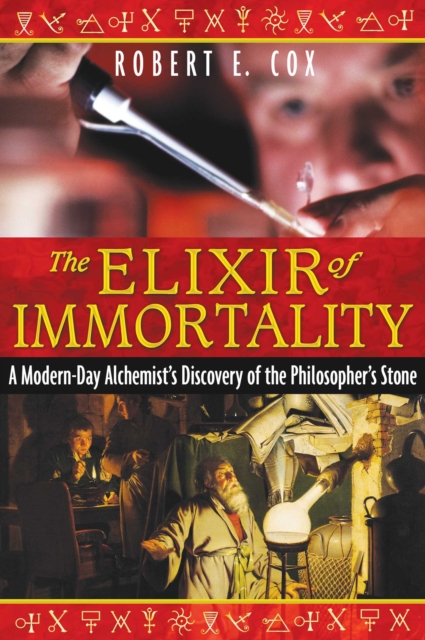
A modern-day quest that echoes the ancient alchemists work to discover the elixir of life Provides an overview of alchemical practices in the ancient world--from Europe to China Reveals the alchemical secrets for creating this elixir in clear scientific language In 1989, while attempting to extract precious minerals from his property, a wealthy Arizonan obtained a mysterious white material that initially defied scientific attempts to identify it.
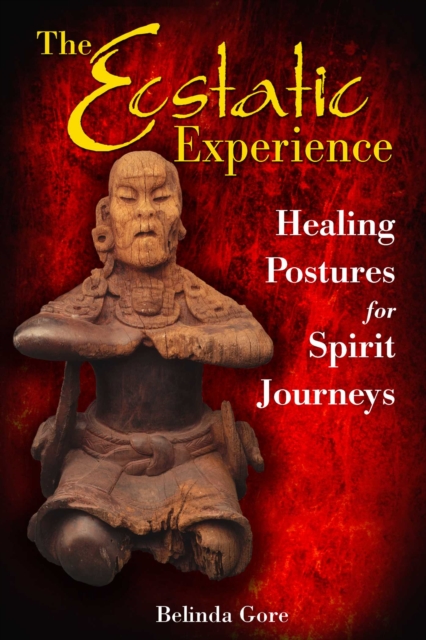
Trance-inducing postures for shamanic journeying, initiation, healing, divination, and transformation of the soul Provides practices from Mayan, Egyptian, African, Native American, Sumerian, and other ancient and indigenous traditions Shows how these practices can detoxify the energy body The human need for ecstasy--the ability to be free of the limitations of ordinary consciousness--is as imperative as the need for food.
Introduction to New Realism provides an overview of the movement of contemporary thought named New Realism, by its creator and most celebrated practitioner, Maurizio Ferraris.
Introduction to New Realism provides an overview of the movement of contemporary thought named New Realism, by its creator and most celebrated practitioner, Maurizio Ferraris.
A translation of the Kabbalah for the layperson includes a compact presentation of each primary text and features a practical analysis and vital historical information that offer insight into the various aspects of Jewish mysticism.
A provocative new look at concepts of the present, their connection to ideas about time, and their effect on literature, art, and cultureThe problem of the present-what it is and what it means-is one that has vexed generations of thinkers and artists.
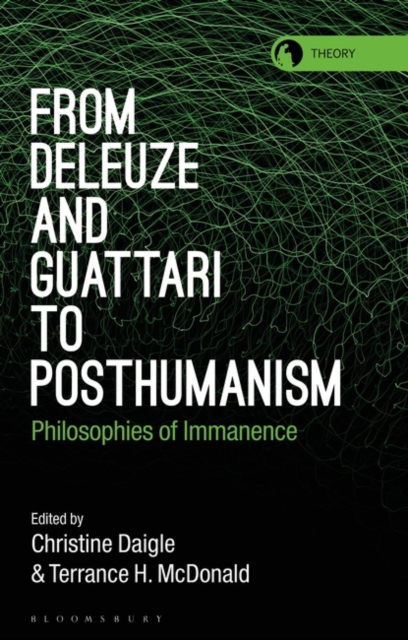
Uncovering the theoretical and creative interconnections between posthumanism and philosophies of immanence, this volume explores the influence of the philosophy of immanence on posthuman theory; the varied reworkings of immanence for the nonhuman turn; and the new pathways for critical thinking created by the combination of these monumental discourses.
Uncovering the theoretical and creative interconnections between posthumanism and philosophies of immanence, this volume explores the influence of the philosophy of immanence on posthuman theory; the varied reworkings of immanence for the nonhuman turn; and the new pathways for critical thinking created by the combination of these monumental discourses.
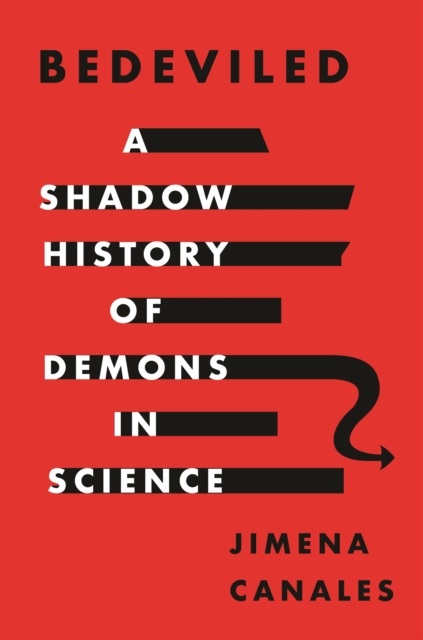
How scientists through the ages have conducted thought experiments using imaginary entities-demons-to test the laws of nature and push the frontiers of what is possible Science may be known for banishing the demons of superstition from the modern world.
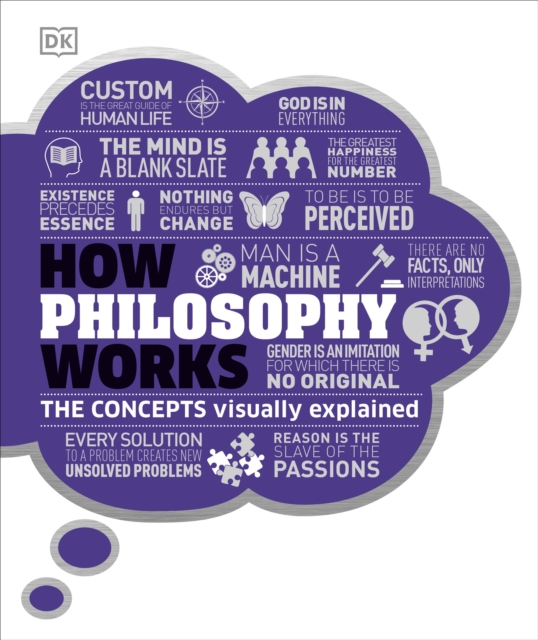
Demystifying the key ideas of the world's greatest philosophers, and exploring all of the most important branches of thought including philosophy of science, philosophy of religion and feminist philosophy in a uniquely visual way, this ebook is the perfect introduction to the history of philosophy.