In Being and Reason, Martin Lin offers a new interpretation of Spinoza's core metaphysical doctrines with attention to how and why, in Spinoza, metaphysical notions are entangled with cognitive, logical, and epistemic ones.
In Being and Reason, Martin Lin offers a new interpretation of Spinoza's core metaphysical doctrines with attention to how and why, in Spinoza, metaphysical notions are entangled with cognitive, logical, and epistemic ones.
In Defense of Extended Conciliar Christology: A Philosophical Essay examines the logical consistency and coherence of Extended Conciliar Christology-the Christological doctrine that results from conjoining Conciliar Christology, the Christology of the first seven ecumenical councils of the Christian Church, with five additional theses.
In Defense of Extended Conciliar Christology: A Philosophical Essay examines the logical consistency and coherence of Extended Conciliar Christology-the Christological doctrine that results from conjoining Conciliar Christology, the Christology of the first seven ecumenical councils of the Christian Church, with five additional theses.
Superficially, Wittgenstein and Heidegger seem worlds apart: they worked in different philosophical traditions, seemed mostly ignorant of one another's work, and Wittgenstein's terse aphorisms in plain language could not be farther stylistically from Heidegger's difficult prose.
Superficially, Wittgenstein and Heidegger seem worlds apart: they worked in different philosophical traditions, seemed mostly ignorant of one another's work, and Wittgenstein's terse aphorisms in plain language could not be farther stylistically from Heidegger's difficult prose.
Oxford Studies in Agency and Responsibility is a series of volumes presenting outstanding new work on a set of connected themes, investigating such questions as:A* What does it mean to be an agent?
Oxford Studies in Agency and Responsibility is a series of volumes presenting outstanding new work on a set of connected themes, investigating such questions as:A* What does it mean to be an agent?
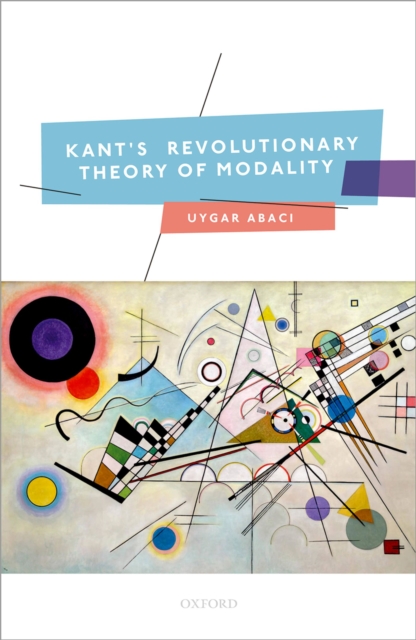
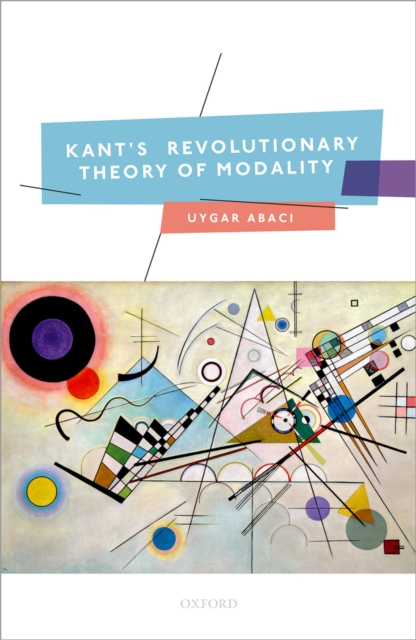
Kant's Revolutionary Theory of Modality is a comprehensive study of Immanuel Kant's views on modal notions of possibility, actuality or existence, and necessity.
Kant's Revolutionary Theory of Modality is a comprehensive study of Immanuel Kant's views on modal notions of possibility, actuality or existence, and necessity.
Rhythm: A Theological Category argues that, as a pervasive dimension of human existence with theological implications, rhythm ought to be considered a category of theological significance.
Rhythm: A Theological Category argues that, as a pervasive dimension of human existence with theological implications, rhythm ought to be considered a category of theological significance.
When you light a match it is the striking of it which causes the lighting; the presence of oxygen in the room is a background condition to the lighting.
When you light a match it is the striking of it which causes the lighting; the presence of oxygen in the room is a background condition to the lighting.