Rhythm: A Theological Category argues that, as a pervasive dimension of human existence with theological implications, rhythm ought to be considered a category of theological significance.
When you light a match it is the striking of it which causes the lighting; the presence of oxygen in the room is a background condition to the lighting.
When you light a match it is the striking of it which causes the lighting; the presence of oxygen in the room is a background condition to the lighting.
Most research on perception has focused on the perceptual experience of three-dimensional, solid, bounded, and coherent material objects - items like tables and tomatoes.
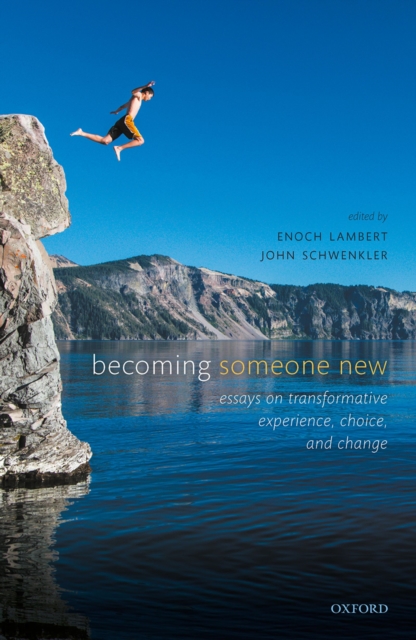
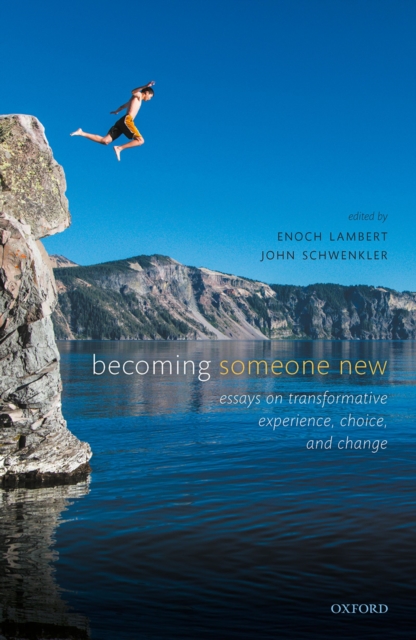
Suppose you're offered an opportunity to experience something that is unlike anything you have ever encountered, but that's all you know--aside from the fact that the experience is physically safe and morally acceptable.
Suppose you're offered an opportunity to experience something that is unlike anything you have ever encountered, but that's all you know--aside from the fact that the experience is physically safe and morally acceptable.
Both the special sciences and ordinary experience suggest that there are metaphysically emergent entities and features: macroscopic goings-on (including mountains, trees, humans, and sculptures, and their characteristic properties) which depend on, yet are distinct from and distinctively efficacious with respect to, lower-level physical configurations and features.
Too often today it seems we find ourselves communicating from radically different perspectives on the world and we often despair of communication even being possible.
Too often today it seems we find ourselves communicating from radically different perspectives on the world and we often despair of communication even being possible.
Many different features of the world figure consciously in our perceptual experiences, in the sense that they make a subjective difference to those experiences.
The current wave of critical and historical engagement with idealist texts affords an unprecedented opportunity to discover the richness and value of the thought of F.
The current wave of critical and historical engagement with idealist texts affords an unprecedented opportunity to discover the richness and value of the thought of F.
Dan Zahavi offers an in-depth and up-to-date analysis of central and contested aspects of the philosophy of Edmund Husserl, the founder of phenomenology.
The concepts of particular and universal have become so familiar that their significance has become difficult to discern, like coins that have been passed back and forth too many times, worn smooth so their values can no longer be read.
The concepts of particular and universal have become so familiar that their significance has become difficult to discern, like coins that have been passed back and forth too many times, worn smooth so their values can no longer be read.