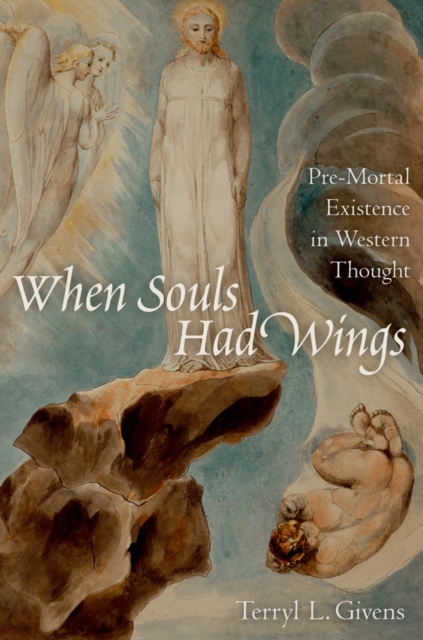
The idea of the pre-existence of the soul has been extremely important, widespread, and persistent throughout Western history--from even before the philosophy of Plato to the poetry of Robert Frost.
More than at any other time in human history, we live in an age defined by movement and mobility; and yet, we lack a unifying theory which takes this seriously as a starting point for philosophy.
More than at any other time in human history, we live in an age defined by movement and mobility; and yet, we lack a unifying theory which takes this seriously as a starting point for philosophy.
In Living Mirrors, Ohad Nachtomy examines Leibniz's attempt to "e;re-enchant"e; the natural world-that is, to infuse life, purpose, and value into the very foundations of nature, a nature that Leibniz saw as disenchanted by Descartes' and Spinoza's more naturalistic and mechanistic theories.
In Living Mirrors, Ohad Nachtomy examines Leibniz's attempt to "e;re-enchant"e; the natural world-that is, to infuse life, purpose, and value into the very foundations of nature, a nature that Leibniz saw as disenchanted by Descartes' and Spinoza's more naturalistic and mechanistic theories.
This book reconstructs Spinoza's theory of the human mind against the backdrop of the twofold notion that subjective experience is explainable and that its successful explanation is of ethical relevance, because it makes us wiser, freer, and happier.
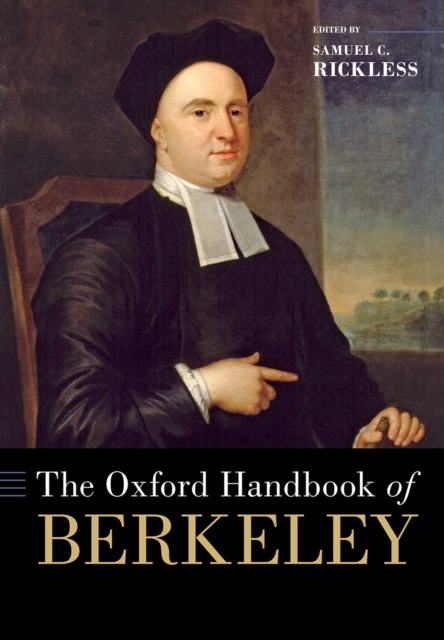
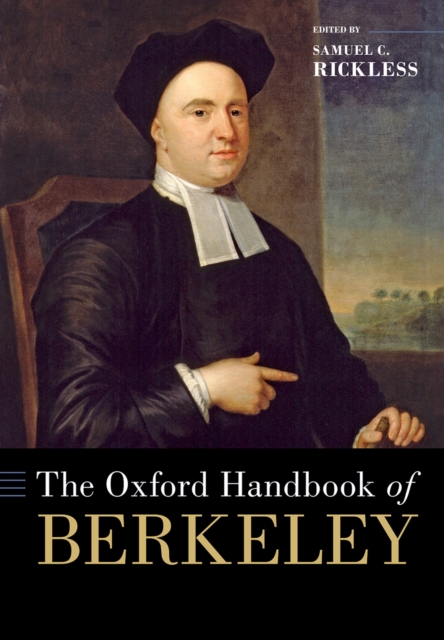
The Oxford Handbook of Berkeley is a compendious examination of a vast array of topics in the philosophy of George Berkeley (1685-1753), Anglican Bishop of Cloyne, the famous idealist and most illustrious Irish philosopher.
The Oxford Handbook of Berkeley is a compendious examination of a vast array of topics in the philosophy of George Berkeley (1685-1753), Anglican Bishop of Cloyne, the famous idealist and most illustrious Irish philosopher.
Our human capacity for planning agency plays central roles in the cross-temporal organization of our agency, in our acting and thinking together (both at a time and over time), and in our self-governance (both at a time and over time).
Our human capacity for planning agency plays central roles in the cross-temporal organization of our agency, in our acting and thinking together (both at a time and over time), and in our self-governance (both at a time and over time).
In his Critique of Pure Reason, Kant argued that human reason is inherently conflicted, because it demands a form of unconditioned knowledge which is unattainable; his solution to this conflict of reason relies on the idea that reason's quest for the unconditioned can only be realized practically.
In his Critique of Pure Reason, Kant argued that human reason is inherently conflicted, because it demands a form of unconditioned knowledge which is unattainable; his solution to this conflict of reason relies on the idea that reason's quest for the unconditioned can only be realized practically.
The ancient topic of universals was central to scholastic philosophy, which raised the question of whether universals exist as Platonic forms, as instantiated Aristotelian forms, as concepts abstracted from singular things, or as words that have universal signification.
Anaxagoras of Clazomenae (Vth century BCE) is best known in the history of philosophy for his stance that there is a share of everything in everything.
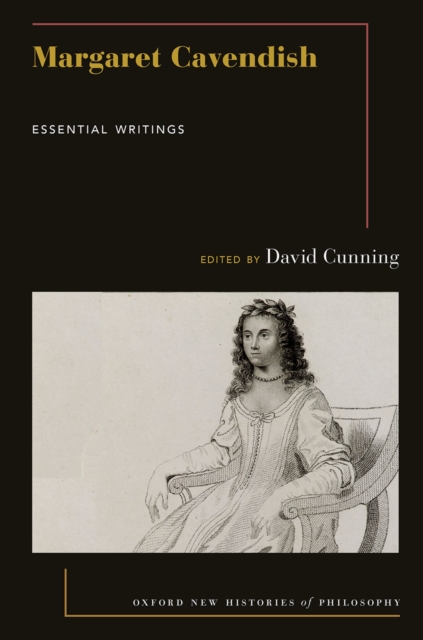
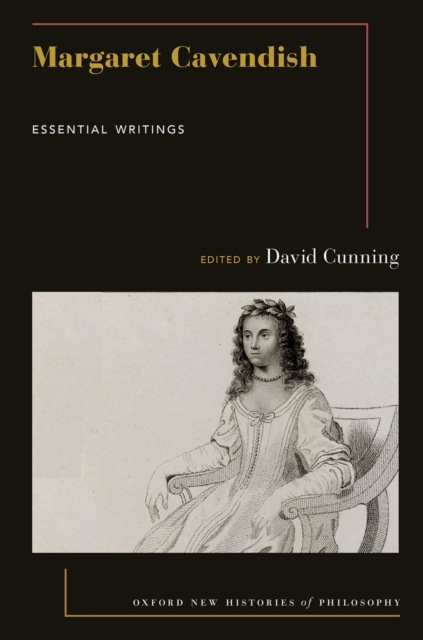
The Seventeenth-Century philosopher, scientist, poet, playwright, and novelist Margaret Cavendish went to battle with the great thinkers of her time, and arguably got the better of them in many cases.
The Seventeenth-Century philosopher, scientist, poet, playwright, and novelist Margaret Cavendish went to battle with the great thinkers of her time, and arguably got the better of them in many cases.
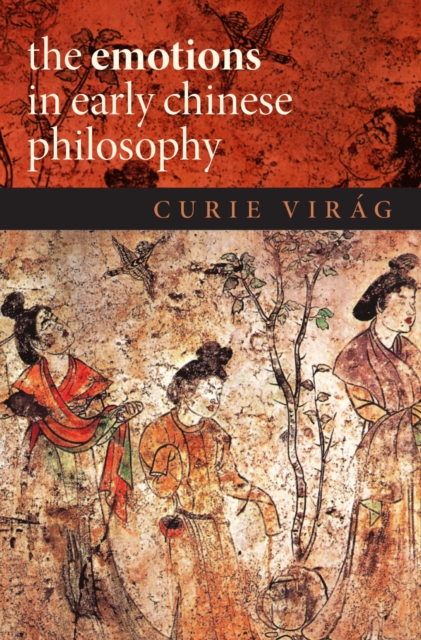
In China, the debate over the moral status of emotions began around the fourth century BCE, when early philosophers first began to invoke psychological categories such as the mind (xin), human nature (xing), and emotions (qing) to explain the sources of ethical authority and the foundations of knowledge about the world.
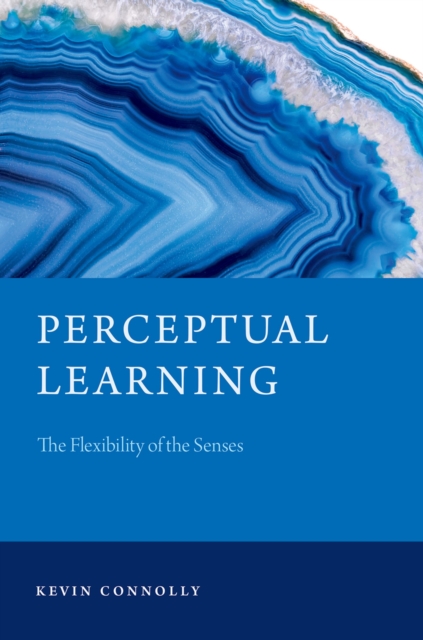
Experts from wine tasters to radiologists to bird watchers have all undergone perceptual learning-long-term changes in perception that result from practice or experience.
Experts from wine tasters to radiologists to bird watchers have all undergone perceptual learning-long-term changes in perception that result from practice or experience.
Georges Dicker here provides a commentary on John Locke's masterwork, An Essay Concerning Human Understanding-the foundational work of classical Empiricism.