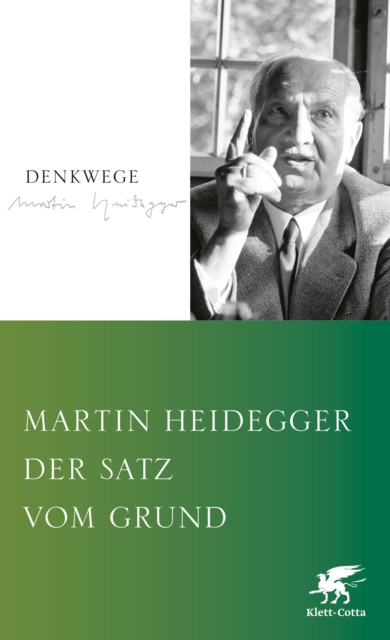
Die beste Einführung in das Denken von Martin HeideggerDer Satz vom Grund umfasst Heideggers letzte Vorlesung (1955/1956) und den gleichnamigen Vortrag.
Metaphysik als die zentrale Disziplin der Philosophie befasst sich mit den grundsätzlichen Fragen nach dem Sein, dem Wesen der Dinge in der Welt und ihren Relationen zueinander.
Kaum ein anderer philosophischer Grundbegriff hat so vielfältige und auf den ersten Blick disparate philosophische Debatten hervorgebracht wie der Begriff der Existenz.
The Routledge Companion to Philosophy of Time is a comprehensive and authoritative guide to a growing subfield of philosophical research, which spans traditional and contemporary debates about the nature of time, as well as a diverse set of historical, geographical, and cultural contexts.
Die von John Milbank und seinem Umkreis vor etwa 25 Jahren begründete Radical Orthodoxy-Bewegung bestreitet die unhinterfragten Dogmen der Säkularisierung: Sie geht davon aus, dass die Theologie Erste Wissenschaft ist und mit der Philosophie eine Einheit bildet.
In diesem Buch wird versucht Leserinnen und Lesern eine Hilfe anzubieten, mit Hilfe des kontemplativen Betens den chrischtlichen Glauben zu verinnerlichen, um dem Ziel näher zu kommen, das JESUS CHRISTUS folgendermaßen formuliert hat: "Ich habe die Herrlichkeit, die du mir gegeben hast, ihnen gegeben, damit sie eins seien, gleichwie wir eins sind.
In diesem Buch wird versucht Leserinnen und Lesern ein Hilfe anzubieten, mit Hilfe des kontemplativen Betens den christlichen Glauben zu verinnerlichen, um dem Ziel näher zu kommen, das JESUS CHRISTUS folgendermaßen formuliert hat: "Ich habe die Herrlichkeit, die du mir gegeben hast, ihnen gegeben, damit sie eins seien, gleichwie wir eins sind.
Es geht um pointierte philosophische Aussagen zum Weltgeschehen, die um die Themen Langeweile, das Böse, Sprache , Technik, Genialität, Gedächtnis, Zivilisation , Medien, Coolness, Geschichtsphilosophie, Leib, Bildung , den Zerfall des Sozialen, Dummheit, Politik, Trump, Putin, das Geschlechterverhältnis usw.
This volume collects seventeen new essays by well-established and junior scholars on the philosophical relevance of metaxological philosophy and its main proponent, William Desmond.
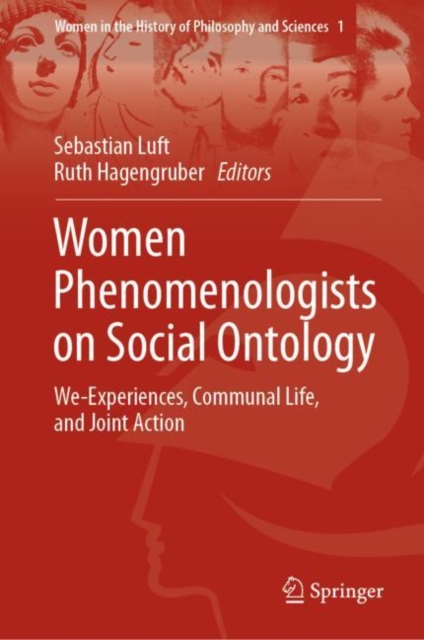
This edited volume examines women's voices in phenomenology, many of which had a formative impact on the movement but have be kept relatively silent for many years.