Art, Language and Figure in Merleau-Ponty: Excursions in Hyper-Dialectic considers Merleau-Ponty's later ontology of language in the light of his “figured philosophy,” which places the work of art at the centre of its investigation.
Alison Assiter argues that the notion of the person that lies at the heart of the liberal tradition is derived from a Kantian and Cartesian metaphysic.
Ontology and Providence in Creation critically examines a particular Leibnizean inspired understanding of God's creation of the world and proposes that a different understanding should be adopted.
This book brings Aquinas and Heidegger into dialogue and offers an original and comprehensive rethinking of the nature of temporality and the origins of metaphysical inquiry.
Bringing together leading scholars from across the world, this is a comprehensive survey of the latest phenomenological research into the perennial philosophical problem of 'truth'.
Art, Language and Figure in Merleau-Ponty: Excursions in Hyper-Dialectic considers Merleau-Ponty's later ontology of language in the light of his “figured philosophy,” which places the work of art at the centre of its investigation.
In Heidegger, Metaphysics and the Univocity of Being, Philip Tonner presents an interpretation of the philosophy of Martin Heidegger in terms of the doctrine of the 'univocity of being'.
Ontology and Providence in Creation critically examines a particular Leibnizean inspired understanding of God's creation of the world and proposes that a different understanding should be adopted.
Bentham: A Guide for the Perplexed presents a clear account of his life and thought, and highlights his relevance to contemporary debates in philosophy, politics, and law.
Aristotle maintains that biological organisms are compounds of matter and form and that compounds that have the same form are individuated by their matter.
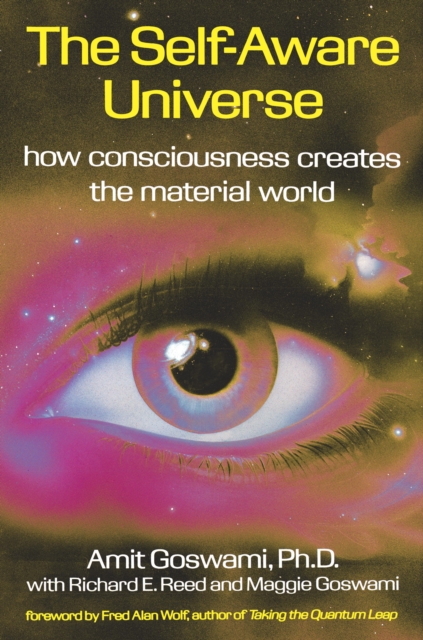
In this stimulating and timely book, Amit Goswami, PhD, shatters the widely popular belief held by Western science that matter is the primary "stuff" of creation and proposes instead that consciousness is the true foundation of all we know and perceive.
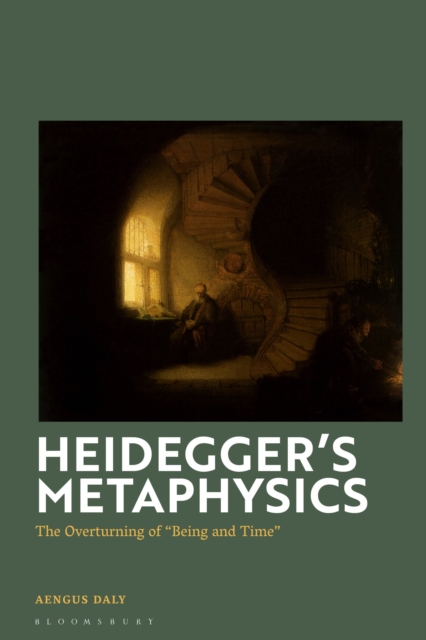
Heidegger's Metaphysics explores how Heidegger continued the project of Being and Time, developing a new kind of metaphysics through a critique of Kantian transcendental philosophy.