Drawing on current research in anthropology, cognitive psychology, neuroscience, and the humanities, Understanding the Human Mind explores how and why we, as humans, find it so easy to believe we are right-even when we are outright wrong.
Drawing on current research in anthropology, cognitive psychology, neuroscience, and the humanities, Understanding the Human Mind explores how and why we, as humans, find it so easy to believe we are right-even when we are outright wrong.
In the World Library of Psychologists series, international experts themselves present career-long collections of what they judge to be their finest pieces - extracts from books, key articles, salient research findings, and their major practical theoretical contributions.
In the World Library of Psychologists series, international experts themselves present career-long collections of what they judge to be their finest pieces - extracts from books, key articles, salient research findings, and their major practical theoretical contributions.
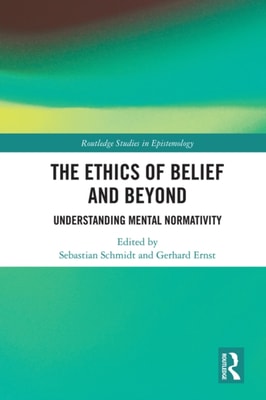
Transparency and Apperception: Exploring the Kantian Roots of a Contemporary Debate explores the links between the idea that belief is transparent and Kant's claims about apperception.
Transparency and Apperception: Exploring the Kantian Roots of a Contemporary Debate explores the links between the idea that belief is transparent and Kant's claims about apperception.
This book examines the phenomenon of silence in relation to human behaviour from multiple perspectives, drawing on psychological and cultural-philosophical ideas to create new, surprising connections between silence, quiet and rest.
This book examines the phenomenon of silence in relation to human behaviour from multiple perspectives, drawing on psychological and cultural-philosophical ideas to create new, surprising connections between silence, quiet and rest.
This book employs contemporary philosophy, scientific research, and clinical reports to argue that pain, though real, is not an appropriate object of scientific generalisations or an appropriate target for medical intervention.
This book employs contemporary philosophy, scientific research, and clinical reports to argue that pain, though real, is not an appropriate object of scientific generalisations or an appropriate target for medical intervention.
The Psychology of Blindness and Visual Culture: Towards a New Ecological Model of Visual Impairment advances the debate regarding the inclusion and wellbeing of people with visual impairment (PVI) through looking at the psychological nature of visual culture and its effects on the lived experience.