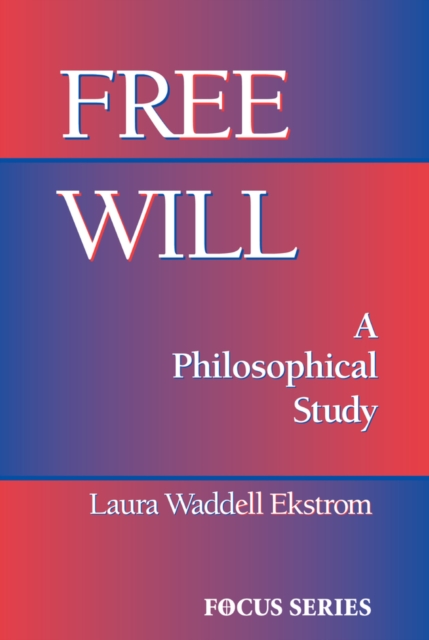
In this comprehensive new study of human free agency, Laura Waddell Ekstrom critically surveys contemporary philosophical literature and provides a novel account of the conditions for free action.
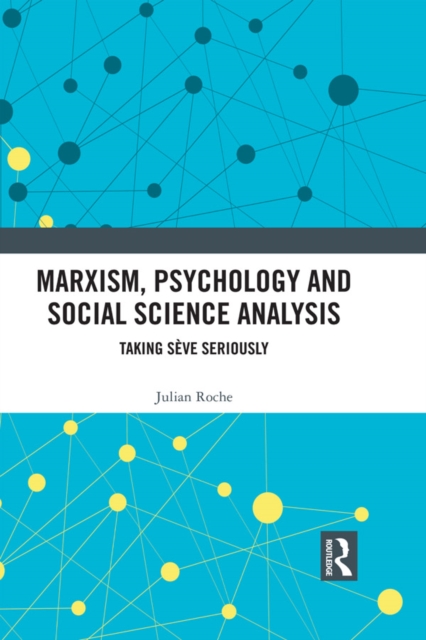
Marxism, Psychology and Social Science Analysis applies Marxist theory, psychology, and the work of Lucien Seve to specific research in the social sciences.
Marxism, Psychology and Social Science Analysis applies Marxist theory, psychology, and the work of Lucien Seve to specific research in the social sciences.
Education and Free Will critically assesses and makes use of Spinoza's insights on human freedom to construe an account of education that is compatible with causal determinism without sacrificing the educational goal of increasing students' autonomy and self-determination.
Education and Free Will critically assesses and makes use of Spinoza's insights on human freedom to construe an account of education that is compatible with causal determinism without sacrificing the educational goal of increasing students' autonomy and self-determination.
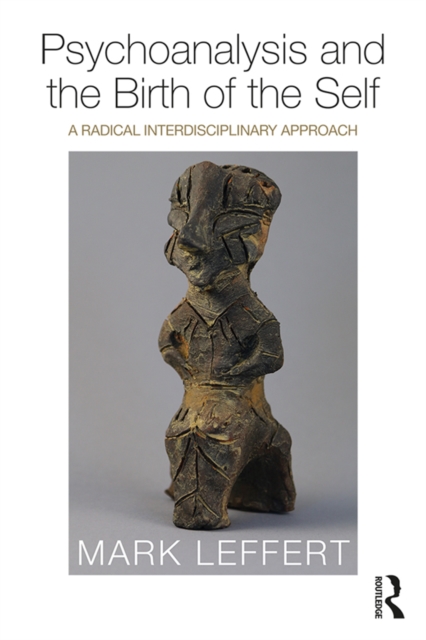
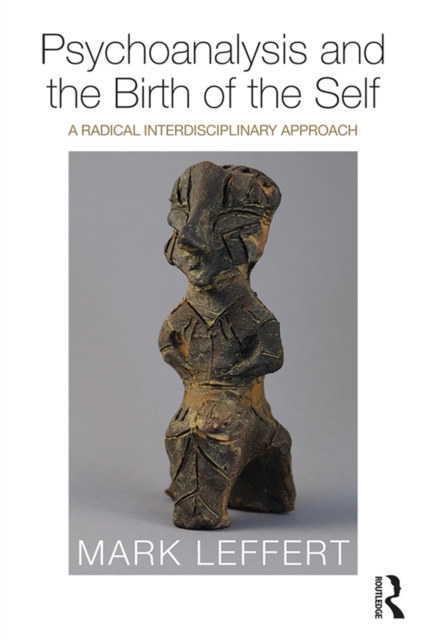
In this book the author presents his reading of psychoanalysis in the spirit of its founder Sigmund Freud, and explores the transformations of Freud's work by his followers.
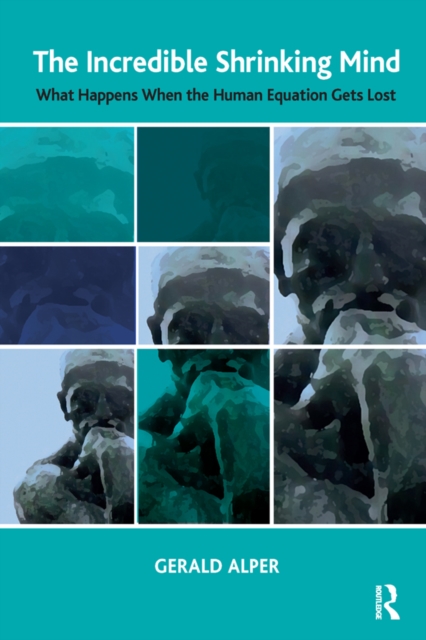
Examining the assertions and fallacies of the theories conceived (or contrived) by some of today's most brilliant scientists and thinkers (including Dan Ariely, John Barrow, Pascal Boyer, Frank Close, Nicholas Humphrey, Richard Dawkins, Stanley Milgram, Oliver Sacks, and Carl Sagan), the author explores why these varied attempts at joining the world of experience and the world of measurement so regularly fail, how consciousness explained is really a concentrated effort to explain away the subjective phenomena of consciousness.
This book examines the pretensions of the new paradigm in psychology that has put itself forward as the model for the future of the clinical disciplines, thereby seeking to put paid to psychoanalysis.
The authors succeed in putting Freud's models of the mind into a historical and developmental framework and show the complexity of his thinking on the relationship between the conscious and unconscious mind.